




Ten Questions for Isle McElroy

“Celebrate the small victories!” —Isle McElroy, author of People Collide
Tags:
Jump to navigation Skip to content
Articles from Poet & Writers Magazine include material from the print edition plus exclusive online-only material.
“Celebrate the small victories!” —Isle McElroy, author of People Collide

The author of Wine People explores how conducting interviews can inform narratives and characters.

“For me, giving language to something, finding a name for it, enacts a kind of metabolic process.” —Cintia Santana, author of The Disordered Alphabet
The author of Wine People offers an exercise in getting to know your characters.
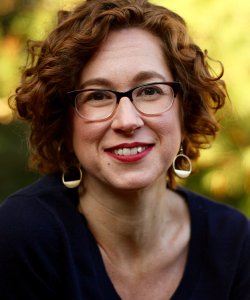
“Just keep listening to the work, one poem at a time.” —Heather Lanier, author of Psalms of Unknowing
The author of Wine People considers how a more expansive understanding of setting can deepen a story.
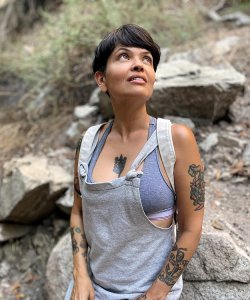
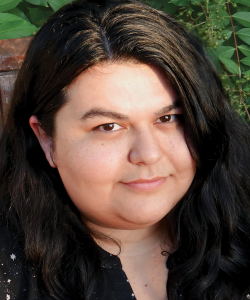
“I tend to binge-write.” —Myriam Gurba, author of Creep: Accusations and Confessions
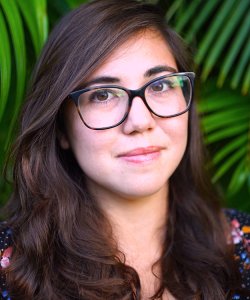
“I think that’s so much of the pleasure of writing for me, the opportunity to be fearless on the page.” —Megan Kamalei Kakimoto
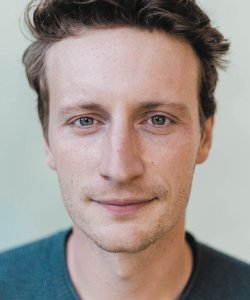
“Don’t trap yourself into false models of production and worth.” —Edgar Kunz, author of Fixer

The author of Rachel to the Rescue and Ms. Demeanor explores the risky business of fictionalizing public figures.
Essays by debut authors Eirinie Carson (The Dead Are Gods), Leah Myers (Thinning Blood), Andrew Leland (The Country of the Blind), Jen Soriano (Nervous), and Jami Nakamura Lin (The Night Parade).
Led by a board of distinguished authors in collaboration with three nonprofit organizations, a new yearlong fellowship supporting system-impacted writers promises to provide resources and funding to share their stories.

In defiance of Amazon’s dominance in the bookselling market, Bookshop has launched an imprint that will release its inaugural title this fall. Bookshop will also introduce its own e-reading platform, supporting independent bookstores.
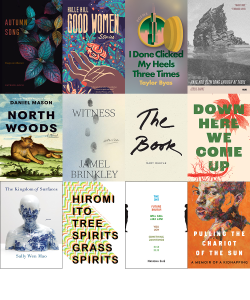
The first lines of a dozen noteworthy books, including Down Here We Come Up by Sara Johnson Allen and Good Women by Halle Hill.
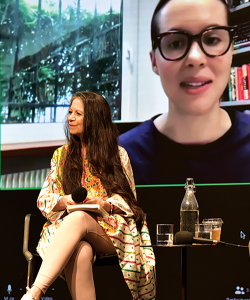
A collaboration between three literary organizations, the International Library is a new initiative presenting live conversations about literature in translation while connecting transnational audiences.
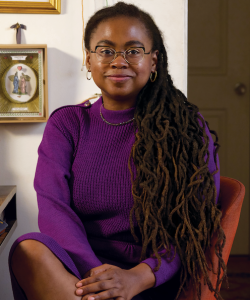
Random House executive editor and vice president Jamia Wilson talks about her passion for publishing as a craft, how being a writer informs her work as an editor, and the importance of keeping an expansive interest in books.

Dedicated to finding the voices and stories audiences most need to hear, Book*hug Press reads beyond borders as a Canadian press with international influences, representationally and aesthetically.
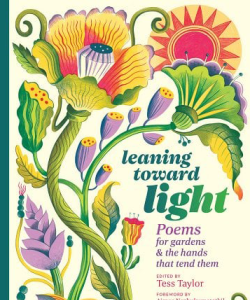
A look at three new anthologies, including Leaning Toward Light: Poems for Gardens & the Hands That Tend Them and Never Whistle at Night: An Indigenous Dark Fiction Anthology.

In his first book of prose, Dark Days: Fugitive Essays, award-winning poet Roger Reeves braids memory, theory, and close critical readings to evoke a profound vision of community, solidarity, and even joy in our present moment.
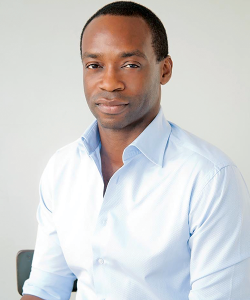
The new editor of the Princeton Series of Contemporary Poets discusses the power of the written word, the importance of university presses, and his plans to leave no manuscript unturned.
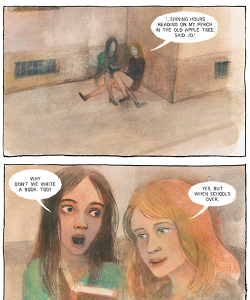
The illustrator of the graphic novel My Brilliant Friend, Mara Cerri, discusses her artistic practice, the challenges of rendering an esteemed novel in images, and her experience working with one of world’s most elusive authors.
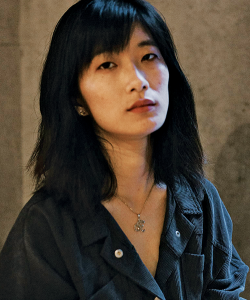
The author of Let’s Go, Let’s Go, Let’s Go introduces five journals, including Shenandoah and Hyphen, where she found understanding and acceptance for her stories.
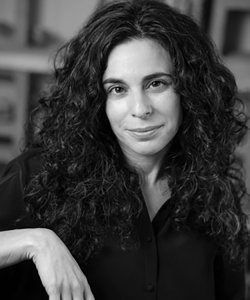
“Read more than you write.” —Robyn Schiff, author of Information Desk: An Epic
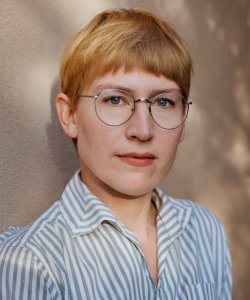
From her home in Santa Fe, the celebrated author of the new essay collection Thin Skin discusses queer identity, what it takes to write against capitalism and climate crisis, and the arts of rest and beekeeping.
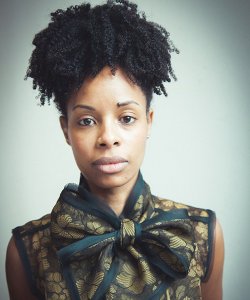
The poet discusses erasure as process and metaphor, how she spent six years turning a report on police racism into poetry, and the inspiration of wild animals.