



A Shed Full of Golden Shovels
The author of Spoken Word: A Cultural History and The Study of Human Life considers how poets collaborate across time and form.
Tags:
Jump to navigation Skip to content
Articles from Poet & Writers Magazine include material from the print edition plus exclusive online-only material.
The author of Spoken Word: A Cultural History and The Study of Human Life considers how poets collaborate across time and form.
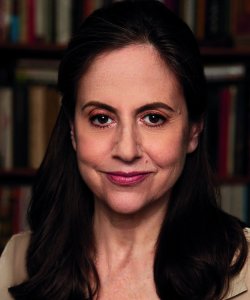
"I write as often and for as long as I can.” —Helen Schulman, author of Lucky Dogs

The author of Spoken Word: A Cultural History and The Study of Human Life explores how writers might “cover” literary works as musicians do songs.
A selection of poetry, fiction, and creative nonfiction writing prompts that are perfect for creative writers just starting out, and for teachers and workshop leaders who want to inspire their students.
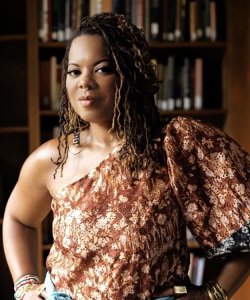
“I am constantly questioning, resisting, studying, accepting, and wondering—all of which I believe to be the hallmarks of the writer’s life.” —Airea D. Matthews, author of Bread and Circus
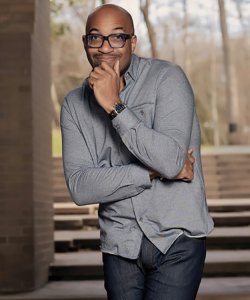
“Writing this book forced me to deal with, and face, some parts of my personality that haven’t served me.” —Kwame Alexander, author of Why Fathers Cry at Night: A Memoir in Love Poems, Recipes, Letters, and Remembrances

Undergraduate writing programs, books on writing, literary organizations, summer workshops, events, contests, and other resources for those who are driven to put thoughts, emotions, and ideas into words at a young age.

“It’s always surprising when the book clicks into being an actual book—which I find happens at the very last minute.” —Emma Cline, author of The Guest

The author of Mistaken for an Empire: A Memoir in Tongues offers an approach to critically engaging with a colonialist literary canon.
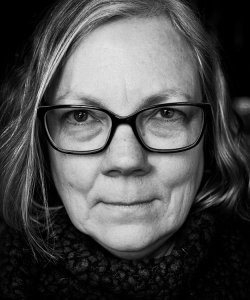
“You are going to read a book that will inspire you to write a book.” —Jennifer Lunden, author of American Breakdown: Our Ailing Nation, My Body's Revolt, and the Nineteenth-Century Woman Who Brought Me Back to Life
The author of Mistaken for an Empire: A Memoir in Tongues considers how archival photography can provide a rich source for literary and sociopolitical inquiry.
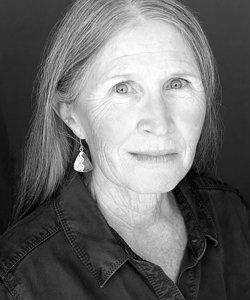
“Listen deeper. Dream bigger.” —Terra Trevor, author of We Who Walk the Seven Ways

The author of the novel The Covenant of Water discusses the interplay between his work as a writer and his work as a physician, the epic novel as a vessel for storytelling, and geography as character.
The author of Mistaken for an Empire: A Memoir in Tongues explores how formal experimentation and play can help move a writing project forward.
“You write one poem precisely so that you can write the next.” —Emily Lee Luan, author of 回 / Return
“I have to fight for every word, then fight to let them go.” —Vievee Francis, author of The Shared World

“Your voice is your voice. Your voice. No one else’s.” —Dean Rader, author of Before the Borderless: Dialogues With the Art of Cy Twombly
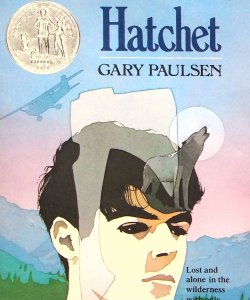
As a child the author idolized the sharp prose and arresting images of survival in Gary Paulsen’s young adult novels. Now, as an adult novelist, that love is complicated by questions of who gets to tell what stories—even as her admiration endures.

The author of peep finds poetic surprises in the workaday language of commerce and culture.
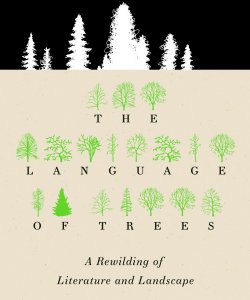
A look at three new anthologies, including Between Paradise and Earth: Eve Poems and The Language of Trees: A Rewilding of Literature and Landscape.
Hoping to inform, entertain, and connect to readers, 2Leaf Press has published dozens of poetry, fiction, and nonfiction titles as an independent nonprofit serving a diverse audience.
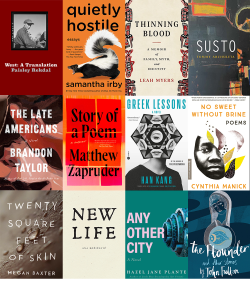
The first lines of a dozen noteworthy books, including Any Other City by Hazel Jane Plante and Thinning Blood: A Memoir of Family, Myth, and Identity by Leah Myers.
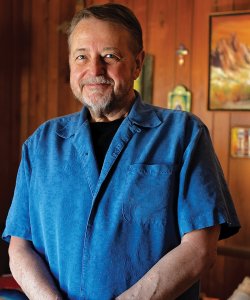
Luis Alberto Urrea always knew his mother had a story; he just didn’t know how to tell it. But in researching his new novel, Good Night, Irene, he gained a deeper understanding of the person she was and the happy ending she deserved.
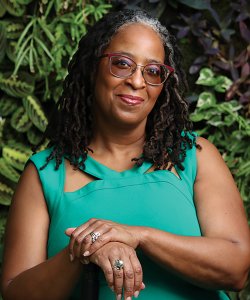
With roots in nature writing, environmental justice, poetry, and photography, Camille T. Dungy’s new book, Soil: The Story of a Black Mother’s Garden, delves into the personal and political act of cultivating one’s own green space.
With the rise of AI-generated writing, writers and publications alike struggle with the question of what authorship means.