




Literary MagNet: Candace Williams
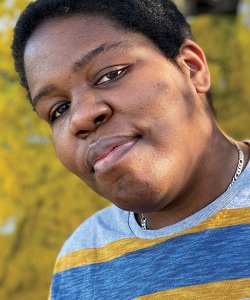
The author of I Am the Most Dangerous Thing introduces five journals that first published their poems and engaged them in community, including Sixth Finch and Prelude.
Tags:
Jump to navigation Skip to content
Articles from Poet & Writers Magazine include material from the print edition plus exclusive online-only material.
The author of I Am the Most Dangerous Thing introduces five journals that first published their poems and engaged them in community, including Sixth Finch and Prelude.
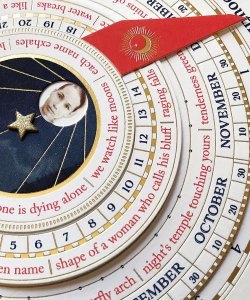
In her new Planetaria series, artist Monica Ong crafts visual poems in the form of objects that prompt the audience to experience poetry through the lens of astronomy.
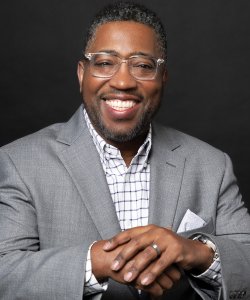
Following poets laureate Ada Limón and Tracy K. Smith, poet Major Jackson steps into a new role as host of the celebrated podcast, sustaining and encouraging listeners to find new possibilities within poetry.
A trio of academics—including two poets—has compiled data on the winners and judges of major literary prizes in the U.S. Their findings raise critical questions about how social hierarchies influence who gets rewarded for their writing.

A poet shares how she builds a life around her writing in rural Wisconsin, where literary community takes surprising—and sometimes amusing—forms. She finds both struggle and abundance in her chosen path.

“Everything you are afraid of will be surpassed by desires you cannot yet imagine.” —Elizabeth Metzger, Lying In
The author of peep considers the ecstatic freedom of writing poetry.
“My writer’s brain picks up little pieces here and there and puts them together.” —S. L. Wisenberg, author of The Wandering Womb: Essays in Search of Home
The author of peep offers an exercise in negative capability.
“I had to not only transform into different people and places, but to also find myself within both of those.” —Victor LaValle, author of Lone Women
The authors of The Invisible Art of Literary Editing engage in a dialogue about textual doneness.
“Read more! Listen more! See more! Feel more! Take better notes!” —Laird Hunt, author of This Wide Terraqueous World
“I need to be authentic to my culture and invite readers to embrace the Vietnamese culture through my work.” —Nguyễn Phan Quế Mai, author of Dust Child
The author of The Art of Brevity: Crafting the Very Short Story offers a lesson in becoming a verbal junk collector.
“I write when I want to say something to someone in particular—but can’t.” —Aurora Mattia author of The Fifth Wound
The author of The Art of Brevity: Crafting the Very Short Story investigates the power of a single sentence, long or short.
“I literally was Damani throughout writing—somehow I became her.” —Priya Guns, author of Your Driver Is Waiting
The author of The Art of Brevity: Crafting the Very Short Story explores what is gained by cutting elements of a narrative.
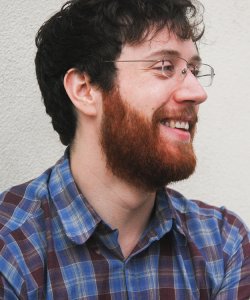
“You will never get rid of the self-critical voice in your head.” —Colin Winnette, author of Users

The author of The Art of Brevity: Crafting the Very Short Story ponders the seductive power of laconic prose.
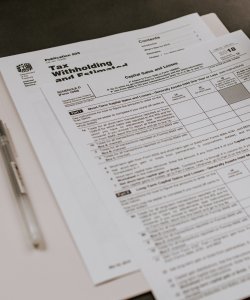
Tax season is coming up, but it doesn’t have to be intimidating. The author explains how writers can follow the rules to their advantage to protect their earnings.
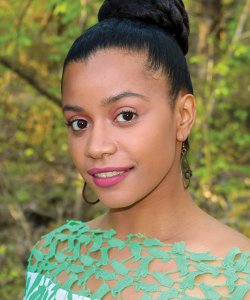
The author of When Trying to Return Home describes her connection with journals that first published her stories, including Jabberwock Review and the Vassar Review.
Los Angeles press Write Bloody Publishing releases books by “troubadour poets” who can command the stage as well as the page. “We love getting knocked on our asses by honesty,” says Write Bloody founder Derrick C. Brown.

Two small presses, Rare Bird and Unnamed Press, opened North Figueroa Bookshop with the assistance of two major publishers, Grove Atlantic and MCD Books, which help support the store in exchange for dedicated shelf space and other perks.

A look at three new anthologies, including A Darker Wilderness: Black Nature Writing From Soil to Stars and Infinite Constellations: An Anthology of Identity, Culture, and Speculative Conjunctions.