




Ten Questions for Lauren Acampora
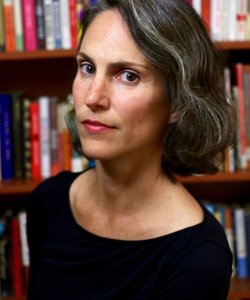
“These characters have been in my head for so long that they seem more real to me than some people.” —Lauren Acampora, author of The Hundred Waters
Tags:
Jump to navigation Skip to content
Articles from Poet & Writers Magazine include material from the print edition plus exclusive online-only material.
“These characters have been in my head for so long that they seem more real to me than some people.” —Lauren Acampora, author of The Hundred Waters
The author of Animal Joy: A Book of Laughter and Resuscitation considers the link between the author’s emotional state while writing and the reader’s engagement.

The author of one of last year’s most challenged books confronts a campaign of threats, cyberattacks, and doxing in the post-truth era.

The author of What We Fed to the Manticore highlights five journals that published her stories, including the Minnesota Review and Ecotone.

Seven Kitchens has cultivated a diverse roster of writers through the fifteen or so chapbooks it publishes each year, including through its eight chapbook series, each appealing to a different community.
Since 2020 #BookTok, the hashtag that represents the book-loving community on TikTok, has emerged as a powerful force.

Amy J. Wong and Andrew Fung Yip founded Matilija Lending Library to “reflect our people of color communities in the San Gabriel Valley, and build multiracial solidarity.”
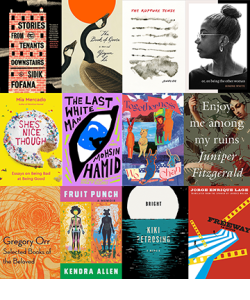
The first lines of a dozen noteworthy books including The Book of Goose by Yiyun Li and Togetherness by Wo Chan.

Banned Books Week raises awareness of the rise in attempts to remove titles from schools and public libraries through a series of special events to be held across the country starting on September 18.
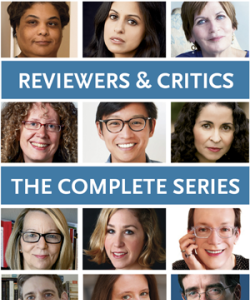
The full archive of interviews with the professional writers, readers, and thinkers whose job is to start conversations about contemporary literature.

The books editor of the Boston Globe on the shrinking of books coverage, social media and the role of the editor, and the need for higher pay for book critics.
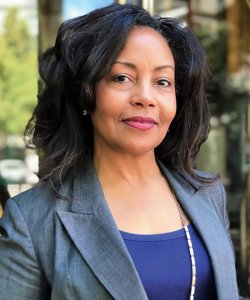
Nita Wiggins describes writing and self-publishing Civil Rights Baby: My Story of Race, Sports, and Breaking Barriers in American Journalism, and an agent and a publicist add their perspectives and offer self-publishing advice.

A look at three new anthologies, including New Weathers: Poetics From the Naropa Archive, edited by Anne Waldman and Emma Gomis.

A special “unburnable” edition of Margaret Atwood’s The Handmaid’s Tale was crafted to raise awareness about recent efforts to ban books from schools and libraries.

The new editor of Poetry shares his aspirations for shaping the 110-year-old magazine to reflect an expansive literary landscape.

This collection of case studies in self-publishing offers independent authors advice, warnings, encouragement, and inspiration.
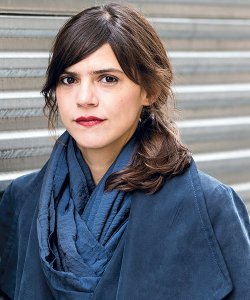
The editor of The Best Short Stories 2022: The O. Henry Prize Winners sees translation as a way of putting a language back in movement by allowing the currents of different languages to mix and blend.
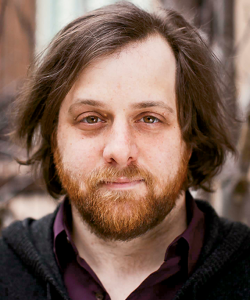
A poet and critic who has written dozens of reviews for newspapers, literary journals, magazines, and websites offers practical advice for reviewers who want to show their readers what a book looks like through their eyes.
Annie Hwang of Ayesha Pande Literary talks about community building, professional burnout, the questions writers should ask when querying agents, and the demanding work of advocating for diversity in publishing.
In The Furrows, Namwali Serpell draws readers into the roiling nature of grief in a powerful narrative that explores memory, loss, and Black identity without resting on what she calls the “meaningless platitude” that art promotes empathy.
“I was surprised by my own tendency to write longer and longer lines and to frequently slip into prose poems.” —Nina Mingya Powles, author of Magnolia 木蘭
The author of Animal Joy: A Book of Laughter and Resuscitation offers a psychoanalytic approach to imagining the reader.

“If you can surprise a reader with a character’s reaction, a scene will almost always work.” —Megan Giddings, author of The Women Could Fly
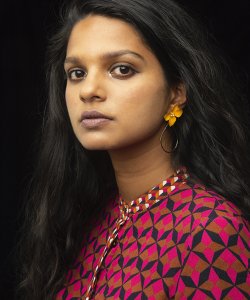
“Writing, I now believe, is both a confidence trick and an alchemical process.” —Sarah Thankam Mathews, author of All This Could Be Different

Seven poets and writers are among the class of 2022 Disability Futures fellows.