




What Songwriters Can Teach Us About Storytelling

The author of I’ll Give You a Reason considers what short fiction writers can learn from popular songs.
Tags:
Jump to navigation Skip to content
Articles from Poet & Writers Magazine include material from the print edition plus exclusive online-only material.
The author of I’ll Give You a Reason considers what short fiction writers can learn from popular songs.

“The task of the novelist, I think, consists of treating life as a research project.” —Nicolás Medina Mora
The author of I’ll Give You a Reason contemplates the common ground between a joke and a short story.
“I consider notetaking to be an integral form of the writing process.” —Dorothy Chan, author of Return of the Chinese Femme

The author of I’ll Give You a Reason explores how setting shapes characters.

“I don’t hold myself to a rigid writing schedule but instead listen to my mind, body, and heart and write accordingly.” —Alison C. Rollins, author of Black Bell
“I think the arc of writing a poem is similar to the experience of ascending and descending physical terrain.” —Callie Siskel, author of Two Minds

The author of Short War offers some perspective on whether a first person narrator can enhance or inhibit a story.
As AI makes it easier for people to generate text, literary editors are wrestling with how to weed out submissions by authors trying to pass off AI work as their own from those that use the technology in a more ethical way.
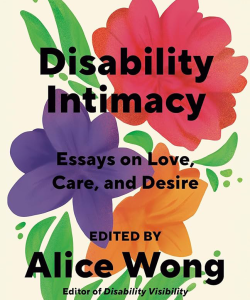
An introduction to three new anthologies, including Disability Intimacy: Essays on Love, Care, and Desire and A Mouth Holds Many Things: A De-Canon Hybrid-Literary Collection.
The new Inside Literary Prize represents an opportunity to connect and honor the perspectives of incarcerated individuals by inviting hundreds of such readers to discuss and select a winner from a slate of National Book Award finalists.

One of the greatest offenses a writer can commit is to steal others’ work and present it as their own. Members of the literary community discuss the negative impact of a serial plagiarist and potential protections against further theft.
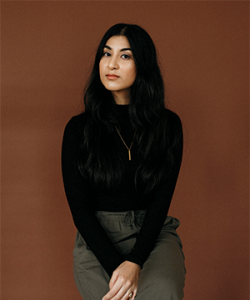
The author of Self-Mythology, a debut poetry collection, introduces some of the journals that offered a home for her work, including AGNI and Poet Lore.
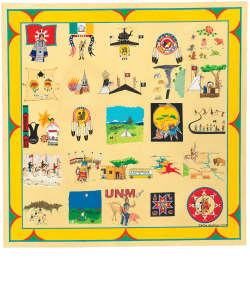
A new exhibit opening in June at the National Museum of the American Indian considers the important role that visual and material storytelling plays in chronicling the histories of Great Plains Native nations.
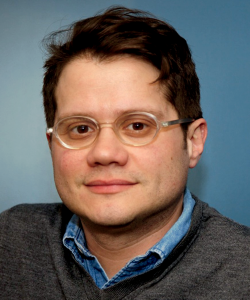
The first Latinx president and executive director of the Academy of American Poets reflects on his start at the nonprofit and his vision for the organization’s future.
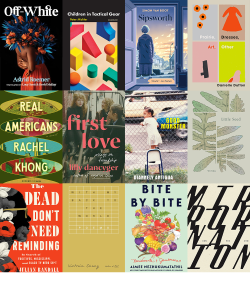
The first lines of a dozen noteworthy books, including Bite by Bite: Nourishments and Jamborees by Aimee Nezhukumatathil and Good Monster by Diannely Antigua.
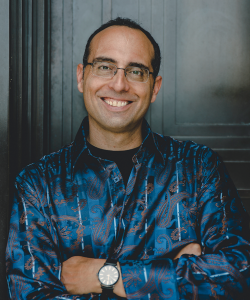
A poet explores the struggle to balance his roles as writer, educator, and activist during the war in Gaza and the refusal of silence during a conflict that has killed tens of thousands of civilians.
Dedicated to “boundary-breaking prose,” Split/Lip Press is on the hunt for work that raises questions about the status quo and fits their punk aesthetic. The press publishes four titles a year, all selected from open submissions.

“Above all, be brave!” —Sheila Carter-Jones, author of Every Hard Sweetness
The author of Short War ponders the ways research can deepen a fiction project—and how to know when enough is enough.
“Take as long as you need.” —April Gibson, author of The Span of a Small Forever

The author of twelve books of fiction and nonfiction confronts the question every writer inevitably faces: Is my compulsion to tell the truth stronger than my fear of the consequences?

The author of Short War contemplates the rewards of modeling minor characters on real people.
The author of With My Back to the World talks about the importance of staying true to who we are while allowing the writing to tell us where to go, and how she views her work as a mapping of her changing mind and perception.

“Get ready for about fifteen drafts.” —Garrard Conley, author of All the World Beside