



Runaway

In the aftermath of his father’s death, an encounter with a literary hero at the Disquiet International Literary Program gives the author of Wyoming what he needs to write again: gratitude.
Tags:
Jump to navigation Skip to content
Articles from Poet & Writers Magazine include material from the print edition plus exclusive online-only material.
In the aftermath of his father’s death, an encounter with a literary hero at the Disquiet International Literary Program gives the author of Wyoming what he needs to write again: gratitude.
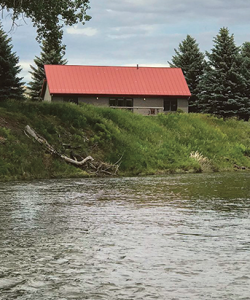
Foxes, llamas, and one portentous bobcat remind the author of Ninetails: Nine Tales that the artistic process can’t be planned or tamed—and that perhaps its wildness is one of the reasons we write.
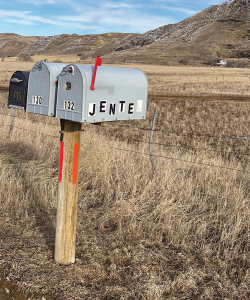
A fortuitous residency at Jentel gives the author of Incantation: Love Poems for Battle Sites a chance to dream big and forge the first hundred pages of a new collection in just two weeks.
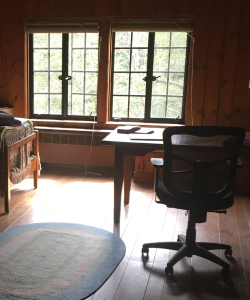
Amid political turmoil and momentous life changes, a retreat at the Blue Mountain Center gives the author of The Archer inspiring ideas about how to be an artist—even without writing any new pages.
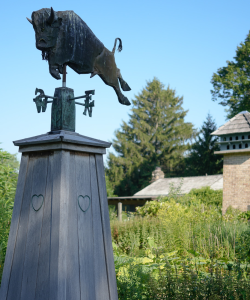
At Ragdale, the author of The Great Believers receives portents that shape her books and strengthen her resolve.

“Take your time.” —D. S. Waldman, author of Atria

The author of Clutch (Tin House, February 2026) reflects on poetic time, dialogue, and writing effective scenes.

“If someone else could do it better, don’t write it.” —Anne Fadiman, author of Frog: And Other Essays
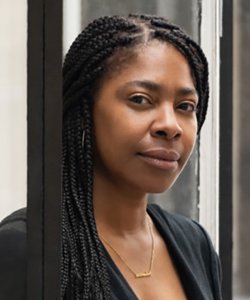
“Look around, have courage, and learn to say yes to things you are unfamiliar with from time to time.” —April Reynolds, author of The Shape of Dreams

“One day, all that sacrifice will have been worth it.” —Alice Evelyn Yang, author of A Beast Slinks Towards Beijing

The author of Cord Swell (Norton, 2025) considers the power of leveraging different media in poetry.

In her new memoir, The Flower Bearers, Rachel Eliza Griffiths unpacks grief and hard-won survival with a poet’s touch, offering a narrative of raw vulnerability, strength, and resolve.

“Look up from your own desperation and walk outside. No matter the weather, be outdoors each day. It will help you.” —Andrés Cerpa, author of The Palace
The author of Cord Swell (Norton, 2025) reflects on offering reverence to ordinary objects in poetry.

“Advice for poets should be poems.” —Bianca Stone, author of The Near and Distant World

The author of Cord Swell (Norton, 2025) considers how memory can be mined for particular phrases and pronunciations to guide poetry.

Casper, who has worked at a number of literary arts organizations over the last twenty-five years, most recently as head of Poetry and Literature in the Literary Initiatives Office at the Library of Congress, will start in his new role on January 26.
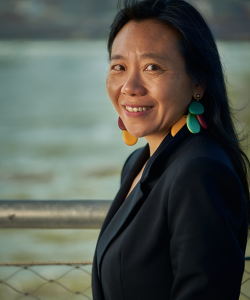
“Many unknown things are possible, many unexpected turns of events will arise.” —Xiaolu Guo, author of Call Me Ishmaelle

The author of Voice of the Fish: A Lyric Essay (Graywolf Press, 2022) reflects on what a trans essay might look like.
The author of Voice of the Fish: A Lyric Essay (Graywolf Press, 2022) considers what it would mean for the essay to embrace new kinds of meaning-making.

When a memoirist studies her manuscript for patterns in theme and style, the symmetries she cultivates bring powerful shape to her book.

A writer of fiction and nonfiction forgets her laptop on a mini writing retreat and discovers new and productive paths through creativity without the constant pull of technology.

The acclaimed fiction writer, essayist, comic book writer, and screenwriter cautions against growing too rigid in your practice and suggests kicking down some doors and using writing as a multi-tool.

Write a poem that reflects on the passing of time, a story that uses anonymity to build themes of disappearance and loneliness, or a personal essay about your relationship to a specific technology.

The newly appointed U.S. poet laureate discusses how he learned his craft as a literary translator and his plans for promoting poetry in translation.