




Ten Questions for Tayari Jones

“I think that losing the joy of process causes writer’s block.” —Tayari Jones, author of Kin
Tags:
Jump to navigation Skip to content
“I think that losing the joy of process causes writer’s block.” —Tayari Jones, author of Kin

“Many unknown things are possible, many unexpected turns of events will arise.” —Xiaolu Guo, author of Call Me Ishmaelle

The best historical fiction “vibrates with a past that is in the present” and reveals the unseen in stories thought we knew—craft skills any writer can bring to their work.

Karen Russell’s second novel, The Antidote, published by Knopf in March, examines a dark chapter of America’s past, but not without hope for the future.

Write a poem that uses the metaphor of a bridge to represent a complex family dynamic, a short story that reconceptualizes historical fiction, or a lyrical essay that reflects on the stages of returning to a former self.
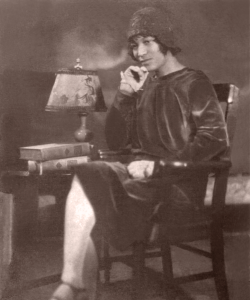
More than sixty years after her passing, Zora Neale Hurston’s newly published novel, The Life of Herod the Great, reimagines archival materials and prompts reflection on the legacies of historical figures and literary objects.

“Get ready for about fifteen drafts.” —Garrard Conley, author of All the World Beside

“I would write the scene and shake my head in disbelief that a character wanted to do that.” —Phillip B. Williams, author of Ours
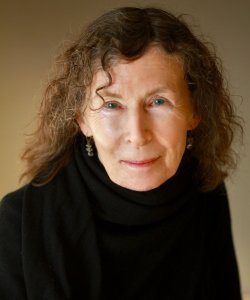
“The computer I write on is never allowed to go online.” —Margot Livesey, author of The Road From Belhaven

“I believe that writing is just a form of dreaming.” —Nathan Go, author of Forgiving Imelda Marcos
