




Ten Questions for francine j. harris
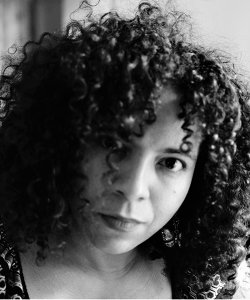
“I write sporadically and edit often.” —francine j. harris, author of Here Is the Sweet Hand
Tags:
Jump to navigation Skip to content
Articles from Poet & Writers Magazine include material from the print edition plus exclusive online-only material.
“I write sporadically and edit often.” —francine j. harris, author of Here Is the Sweet Hand
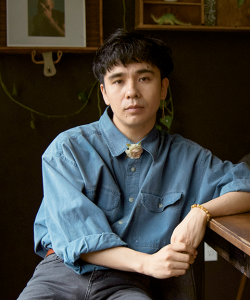
For an alternative movie night, view these extended readings and conversations with literary luminaries Zadie Smith, Édouard Louis, Min Jin Lee, Ocean Vuong, and Joy Harjo.

The author of Horsepower recalls the tricks that helped her revise and assemble her collection.
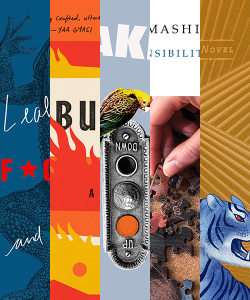
Leah Hampton’s F*ckface: And Other Stories, Megha Majumdar’s A Burning, Marie-Helene Bertino’s Parakeet, Karen Tei Yamashita’s Sansei and Sensibility, and C Pam Zhang’s How Much of These Hills Is Gold.
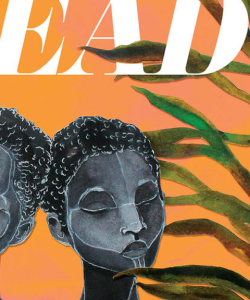
Francesca Ekwuyasi’s Butter Honey Pig Bread, forthcoming from Arsenal Pulp Press on November 30, 2020.
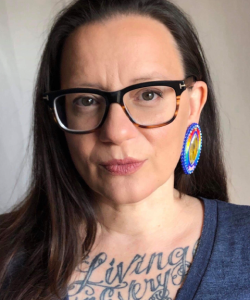
“I would remind myself that every book has its own life and to just have faith in the story.” —Cherie Dimaline, author of Empire of Wild
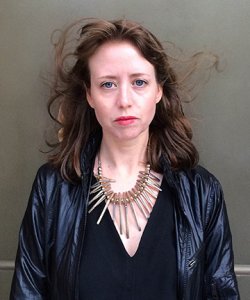
The author of the story collection I Hold a Wolf by the Ears talks about ghost stories, writing in the direction of the unknowable, and creativity during quarantine.

Taylor Johnson’s Inheritance, forthcoming from Alice James Books on November 10, 2020.

“We need the industry to be more reflective of the audience.” —Adrian Tomine, author of The Loneliness of the Long-Distance Cartoonist

The author of Horsepower reimagines the bildungsroman to honor the narrative arc of Black childhood.
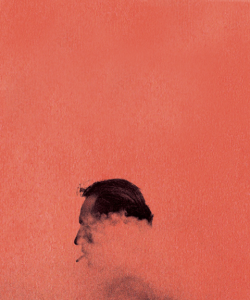
João Gilberto Noll’s Harmada, translated from the Portuguese by Edgar Garbelotto, forthcoming from Two Lines Press on November 10, 2020.
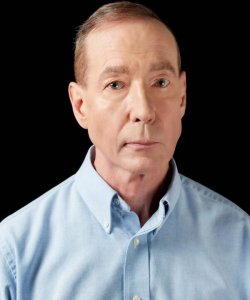
A novelist recalls the challenges and rewards of publishing a second novel—twenty-seven years after his debut.
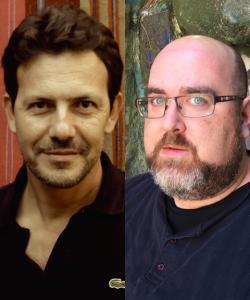
This week’s installment of Ten Questions features Ryad Girod and Chris Clarke, the author and the translator of the novel Mansour’s Eyes.
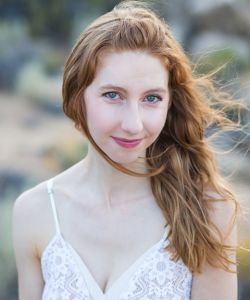
“Feel for the thread. Follow it through the dark.” —Kendra Atleework, author of Miracle Country
The author of Horsepower examines and resists the racism and subconscious anxieties that infect the U.S. literary imagination.

Khaled Mattawa’s Fugitive Atlas, forthcoming from Graywolf Press on October 20, 2020.
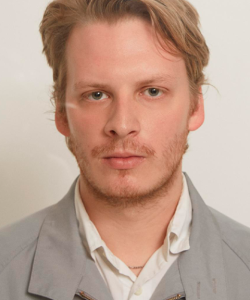
“Kevin Killian always told me great fiction lets you know how things smell.” —Andrew Durbin, author of Skyland
The author of Horsepower suggests putting aside knowledge and focusing on unlearning.
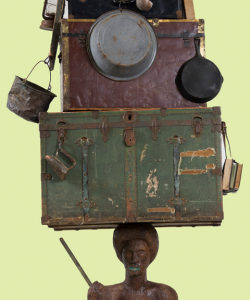
Tyree Daye’s Cardinal, forthcoming from Copper Canyon Press on October 6, 2020.
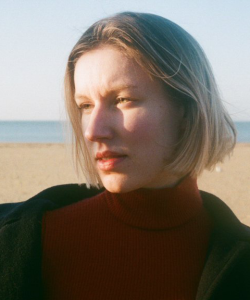
“There’s a balance to be struck between what you reveal and what you hold back.” —Sophie Mackintosh, author of Blue Ticket
Hiroko Oyamada’s The Hole, translated from the Japanese by David Boyd, forthcoming from New Directions on October 6, 2020.
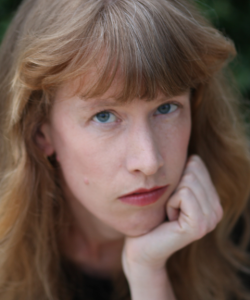
“Writing is supposed to be fun. Enjoy yourself.” —Kyle McCarthy, author Everyone Knows How Much I Love You

Bryan Washington’s Memorial, forthcoming from Riverhead Books on October 6, 2020.
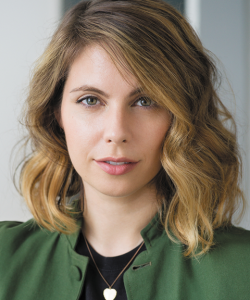
“I always write better from a place of joy than I do from a place of discipline.” —Emily Temple, author of The Lightness

The author of This Is One Way to Dance resists genre limitations and seeks her own unique form.