




Inside Publishing: The Book Publicist

In the second installment in a yearlong series on publishing professionals, four publicists describe the challenges of their job in the digital age.
Tags:
Jump to navigation Skip to content
Articles from Poet & Writers Magazine include material from the print edition plus exclusive online-only material.
In the second installment in a yearlong series on publishing professionals, four publicists describe the challenges of their job in the digital age.

Artist Basia Irland carves book sculptures out of ice and embeds them with seeds that populate riverbanks when the sculptures melt.
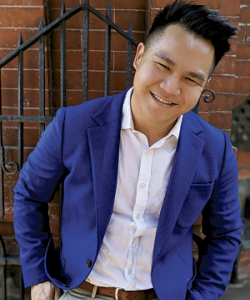
An author recommends five journals that published poems from his debut collection, The Gutter Spread Guide to Prayer.
The small press annually publishes four chapbooks of “formally strange or conceptually bizarre” prose.

A research project called Prismatic Jane Eyre compares the many translations of Charlotte Brontë’s classic novel, studying the ways each reflects the culture in which it was created.

Mystery writer Dana Stabenow supports female-identifying and nonbinary writers with a new residency in Homer, Alaska, inspired by the retreat that changed her life.
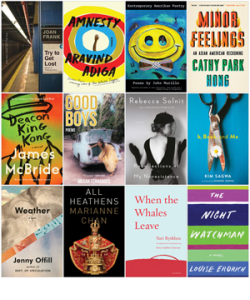
The first lines of a dozen noteworthy books, including Recollections of My Nonexistence by Rebecca Solnit and Minor Feelings: An Asian American Reckoning by Cathy Park Hong.
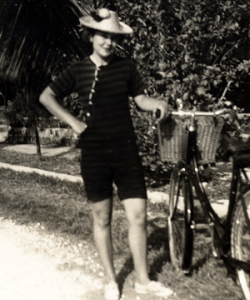
The Key West Literary Seminar has acquired the former Florida residence of poet Elizabeth Bishop and will turn the house into a public haven for poetry and prose.
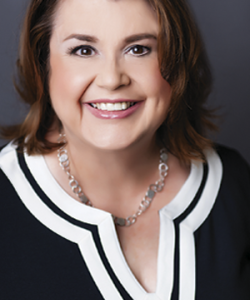
The critic discusses her reading process, the perfect pan, and the popular Twitter hashtag she created, #FridayReads.
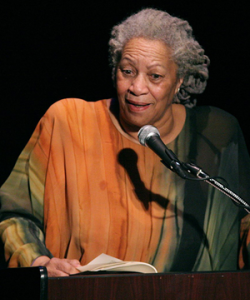
The author reflects on what he’s learned about writing and life from attending readings for the past twenty-five years.

A round-up of three new anthologies, including River Teeth: Twenty Years of Creative Nonfiction and Poems From the Edge of Extinction: An Anthology of Poetry in Endangered Languages.
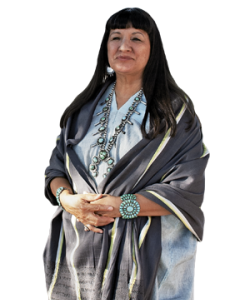
The author of The House on Mango Street on the origins and impact of the Macondo Writers Workshop, which has brought together writers who are activists for twenty-five years.
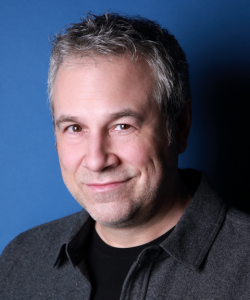
“It wasn’t until the final year or so that I felt I had some control over the shape and content, that I understood how the pieces worked together.” —Mark Bibbins, author of 13th Balloon
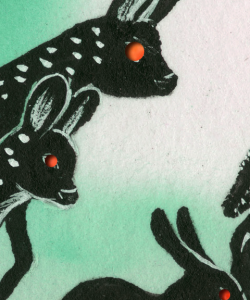
Lydia Millet’s A Children’s Bible, forthcoming from W. W. Norton on May 12, 2020.
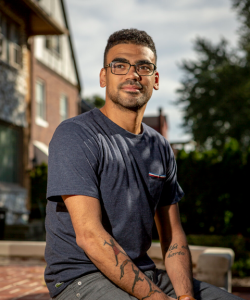
“I didn’t understand how important Chicago and South Shore were to me until I left.” —Gabriel Bump, author of Everywhere You Don't Belong

Feeling stuck with a work-in-progress? Mimi Lok suggests changing up an element that previously felt off limits.
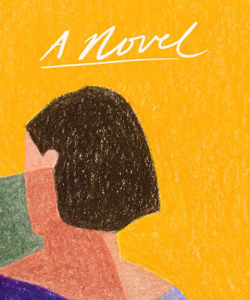
Emma Straub’s All Adults Here, forthcoming from Riverhead Books on May 5, 2020.
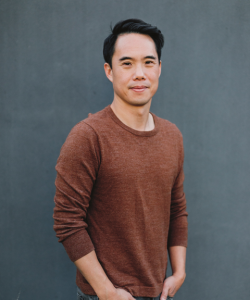
“I had a substantially different version of this book that just wasn’t working, scrapped it, did that again, and then the third time was a charm.” —Charles Yu, author of Interior Chinatown
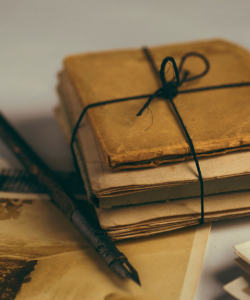
“It’s important to understand why the characters are writing to each other, what kind of language is particular to them, and what the form reveals or hides.” Mimi Lok contemplates the challenges and rewards of the epistolary form.
Ottessa Moshfegh’s Death in Her Hands, forthcoming from Penguin Press on April 21, 2020. Editor’s Note: This book’s publication date has been postponed to June 23, 2020.
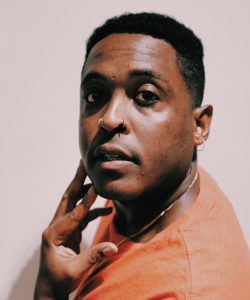
“The book didn’t announce itself to me until 2017, when I went looking for it. I scanned over the poems I had been writing, scanning to see what my brain had been up to without me noticing.” —Danez Smith, author of Homie
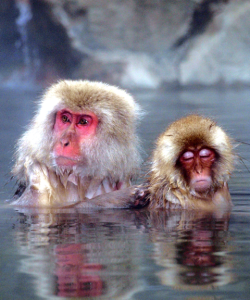
“Meditation is not a quick fix,” writes Mimi Lok. “It requires practice so that the mind gets used to stilling and quieting itself enough to listen.” In this Craft Capsule, Lok offers her method for cultivating stillness and silence.
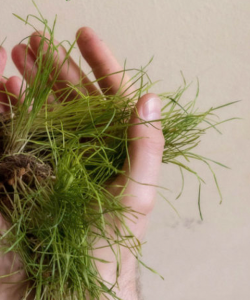
Mark Doty’s What Is the Grass: Walt Whitman in My Life, forthcoming from W. W. Norton on April 14, 2020.
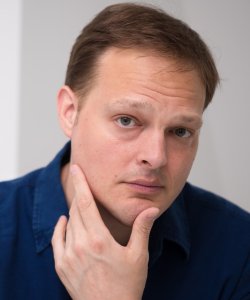
The author of Cleanness and What Belongs to You talks about the uneasy marriage of capitalism and sex, the future of democracy, and love.
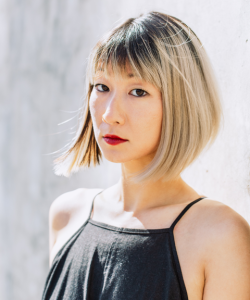
“I spent much of 2016 and 2017 not just trying to find my way back into the book but also trying to convince myself that art still mattered.” —Meng Jin, author of Little Gods