



Ten Questions for Colin Winnette
“You will never get rid of the self-critical voice in your head.” —Colin Winnette, author of Users
Tags:
Jump to navigation Skip to content
Articles from Poet & Writers Magazine include material from the print edition plus exclusive online-only material.
“You will never get rid of the self-critical voice in your head.” —Colin Winnette, author of Users

The author of The Art of Brevity: Crafting the Very Short Story ponders the seductive power of laconic prose.
Tax season is coming up, but it doesn’t have to be intimidating. The author explains how writers can follow the rules to their advantage to protect their earnings.
Lambda Literary’s new executive director shares her goals for expanding inclusivity at the nonprofit by engaging writers across genres, mediums, and identities.
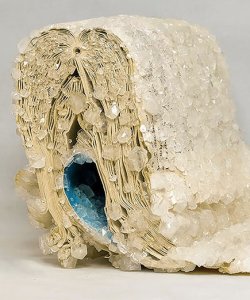
Inspired by books and magazines she found discarded on the street, Oakland-based artist Alexis Arnold explores the vulnerability of printed media by transforming books into sculptures with crystallized borax.

Two small presses, Rare Bird and Unnamed Press, opened North Figueroa Bookshop with the assistance of two major publishers, Grove Atlantic and MCD Books, which help support the store in exchange for dedicated shelf space and other perks.
The author of When Trying to Return Home describes her connection with journals that first published her stories, including Jabberwock Review and the Vassar Review.
The author of Sing Something True recounts the path to writing the memoir she was afraid to write, grieving her identity as a writer after rejection, and finding solace (and representation) after shifting focus away from publication.

A look at three new anthologies, including A Darker Wilderness: Black Nature Writing From Soil to Stars and Infinite Constellations: An Anthology of Identity, Culture, and Speculative Conjunctions.
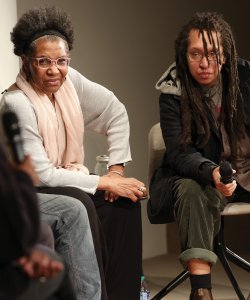
In partnership with the Academy of American Poets, the Guggenheim is refreshing its connection to poetry with a poets-in-residence program, through which the museum is reimagining its offerings to engage the community with verse.
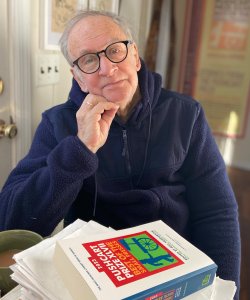
Bill Henderson founded Pushcart Press with one goal: to empower overlooked writers to publish their own work. Fifty years later, Pushcart is still elevating independent publishers and authors with its annual prize anthology.
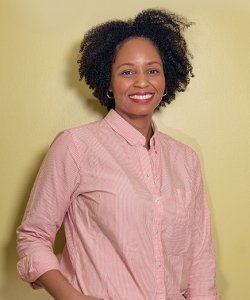
Mariner Books executive editor Rakia Clark talks about unlocking the full potential of an author, how writers can shine in the query letter, and effecting meaningful change in the publishing industry.
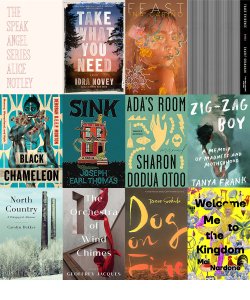
The first lines of a dozen noteworthy books, including Welcome Me to the Kingdom by Mai Nardone and Feast by Ina Cariño.
Los Angeles press Write Bloody Publishing releases books by “troubadour poets” who can command the stage as well as the page. “We love getting knocked on our asses by honesty,” says Write Bloody founder Derrick C. Brown.
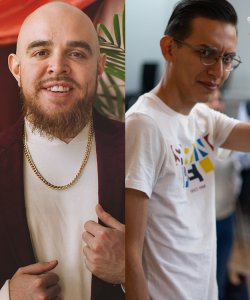
This week’s installment of Ten Questions features José Olivarez and David Ruano González, the author and the translator of Promises of Gold / Promesas de oro.
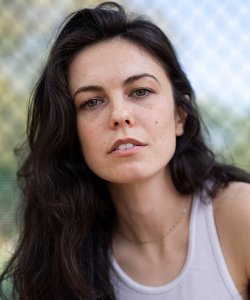
“I think the hardest part was finding an ending, specifically working against my own desire for neat resolution.” —Maggie Millner, author of Couplets

The author of What Can I Tell You?: Selected Poems examines poetic approaches to narrative.

“Sit with your characters and let them talk to you.” —Bisi Adjapon

The author of What Can I Tell You?: Selected Poems explores the poetic potential of vernacular language.

“I had to feel my way forward, wondering and wanting.” —Gabrielle Bates

The author of What Can I Tell You?: Selected Poems considers how lyric poetry may communicate beyond the realm of private experience.
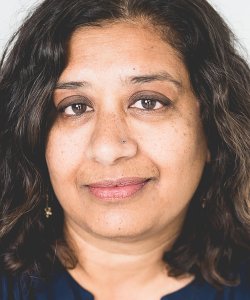
“Stay curious, pay attention, and write things down.” —Chaitali Sen, author of A New Race of Men From Heaven

“I need to live life to make art.” —Jamila Minnicks, author of Moonrise Over New Jessup
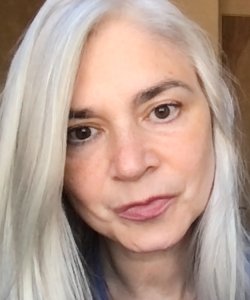
“I like taking risks.” —Joy Castro, author of One Brilliant Flame

Ten writers, including Roger Reeves and Dana Levin, share the best writing advice they’ve ever received.