




Inside Publishing: The Literary Agent Assistant
In the first installment of a yearlong series on publishing professionals, three literary agent assistants in New York City reveal the inner workings of a literary agency.
Tags:
Jump to navigation Skip to content
Articles from Poet & Writers Magazine include material from the print edition plus exclusive online-only material.
In the first installment of a yearlong series on publishing professionals, three literary agent assistants in New York City reveal the inner workings of a literary agency.
Carlos Lozada, a Pulitzer Prize–winning critic at the Washington Post, on his reading process, the role of social media in his work, and more.
One of the most prominent and liveliest critics in the United States discusses whether or not literary criticism can be taught, the value of negative criticism, and more.
A historical novelist discusses her experiences in self-publishing; an editor and publicist weigh in.
A literary agent answers questions from writers about genre, age, costs, and client lists.

In this continuing series, a book critic discusses the unique challenges of reviewing for radio and how she picks the books that make it on the air.
In this continuing series, a book critic discusses Minnesota’s thriving literary community and the importance of reviewing small-press titles.
An agent answers questions on obtaining the copyright of a self-published novel and seeking a U.S. publisher from abroad.

An agent answers questions on referrals, pitching a self-published book, and what to do if you’re dropped by an agency.
In this continuing series, a book reviewer discusses the art of literary criticism—from the value of negative reviews to critics he admires.

An entrepreneur self-publishes a book about the failure of his business. An editor and publicist weigh in.
A novelist and critic discusses the book reviewing process, the role of social media in literary criticism, and much more.
Independent publicists Lauren Cerand, Kima Jones, and Michael Taeckens on what they do for authors.

What to expect once you’ve published your debut book.
The books editor at O, the Oprah Magazine discusses how she got her start in the literary world, the selection criteria behind Oprah’s Book Club picks, and her favorite books of the year.
A literary agent answers readers’ questions—from how seriously agents consider a writer’s previous sales to how to responsibly seek new representation.
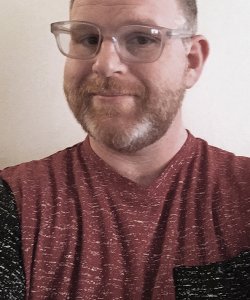
Vinnie Kinsella shares the process of self-publishing an essay anthology, Fashionably Late: Gay, Bi, and Trans Men Who Came Out Later in Life. An editor and a publicist weigh in.
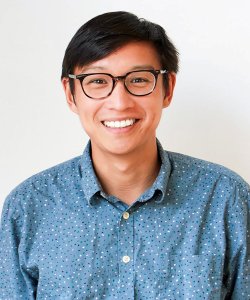
The digital deputy editor of GQ discusses his Best Books of the Month feature and the state of diversity in publishing.

Inside Indie Bookstores, a series of interviews with the entrepreneurs who represent the last link in the chain that connects writers with their intended audience, ran in all six issues of 2010.
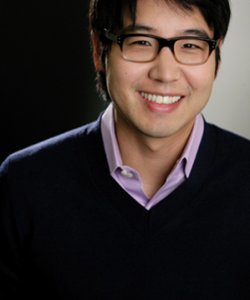
Kirby Kim offers valuable counsel on when to query, how to keep revising, and the market value of horror fiction.
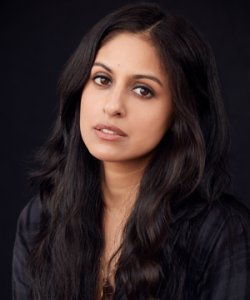
Parul Sehgal discusses her path to literary criticism, her passion for international literature, and today’s finest reviewers.
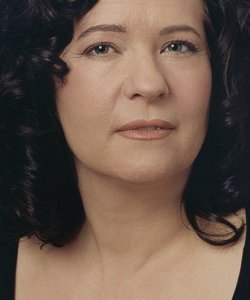
Laura Miller discusses how she chooses books, the effect of the Internet on literary criticism, and her belief that reading is as profoundly creative as writing.
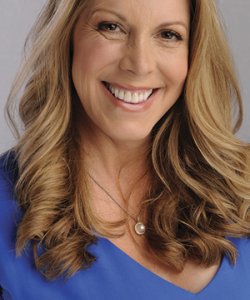
Lucetta Zaytoun discusses the process of self-publishing her debut memoir, It’s Already Tomorrow Here. A publicist and a publishing consultant offer their advice on design, distribution, and long-term marketing strategies to the author.

A writer considers the art, discomfort, and necessity of self-promotion, as well as its evolution in the digital age.

Anna Gosh answers readers’ questions—from why poetry agents are seemingly nonexistent to whether or not it is possible to be “too young to write.”