




First: Rajiv Mohabir’s The Taxidermist’s Cut
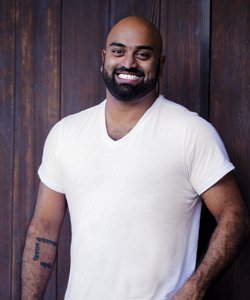
Indo-Caribbean poet Rajiv Mohabir on his debut collection and using language as identity and resistance while “feeling trapped inside a puzzle of ancestry.”
Tags:
Jump to navigation Skip to content
Articles from Poet & Writers Magazine include material from the print edition plus exclusive online-only material.
Indo-Caribbean poet Rajiv Mohabir on his debut collection and using language as identity and resistance while “feeling trapped inside a puzzle of ancestry.”
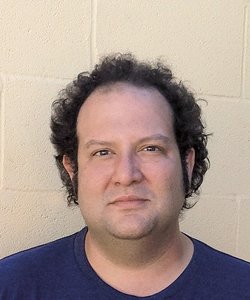
The latest installment of Reviewers & Critics features Michael Schaub, an incisive—and hilarious—literary critic and former Bookslut contributor.
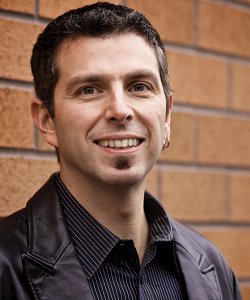
A successful self-published novelist talks about how he used his background in programing and knowledge of artificial intelligence to write and market his best-selling techno thriller series. Editor Jessica Page Morrell and publicist Jessica Glenn weigh in and give advice to burgeoning self-publishers.
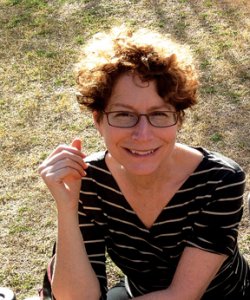
The agent of authors such as María Amparo Escandón and Joy Nicholson offers advice on query letters, editing, and what not to do when submitting a manuscript.

Alaska’s Fiddling Poet, who over the past twenty years has been playing his fiddle and reading poems for audiences across the country, talks about how he has built a career—and a life—out of touring and sharing his music and poetry with others.
Isaac Fitzgerald, editor of BuzzFeed Books, talks about the growth of the site’s book review section, what a typical day in the BuzzFeed office looks like, and how the Internet has changed the discourse around books.
Jennifer Day, the editor of the Chicago Tribune’s Sunday books section, Printer’s Row Journal, discusses her commitment to assembling the best literary criticism on both the local and national level.

Clayton Smith has self-published several books, including his latest novel, Apocalypticon, and used his experiences to cofound Dapper Press, a company that provides essential services like editing, design, and promotion to self-published authors. Editor Kim Bookless and publicist Lissy Peace weigh in on Smith’s process, and such self-publishing necessities.

A former radio executive writes about his behind-the-scenes experiences with rock stars, and puts his vast media expertise to work promoting the book. An editor and publicist weigh in.
Should you pay to have a manuscript edited beforehand? Are there benefits to querying via snail mail versus e-mail? Danielle Svetcov of Levine Greenberg Rostan answers readers’ questions about what (and what not) to do when trying to find an agent.
Ron Charles of the Washington Post and the Totally Hip Video Book Review series gives his insights on the ethical and practical challenges of being a book critic for a major newspaper.
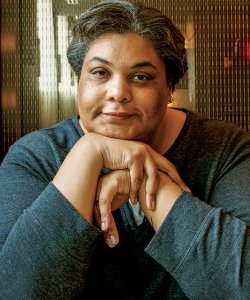
The second installment of Reviewers & Critics features longtime book critic and culture essayist Roxane Gay, a true powerhouse in literary circles.
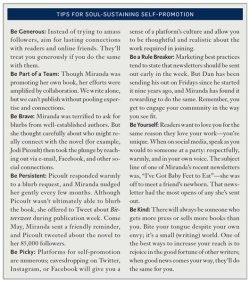
Through blogging, social media, newsletters, and book giveaways, a novelist teams up with the founder of WeGrowMedia to market her book—and show how making a personal connection with readers can go a long way towards making a book a best-seller.

In the inaugural installment of our new feature, Reviewers & Critics, New York Times book reviewer Dwight Garner talks about his experience as a critic—the required credentials (or lack thereof), how to cut through the hype, the role of negative reviews, and more.
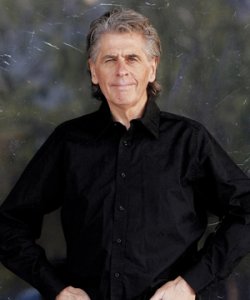
When science author and NPR Math Guy Keith Devlin decided to cut a section from his soon-to-be published book on Fibonacci, he realized he had a unique opportunity—to self-publish the deleted content as an e-book alongside the hardcover book. We hear from Devlin, his agent Ted Weinstein, and publicist Amy Ferro on this uniquely challenging and exciting endeavor.
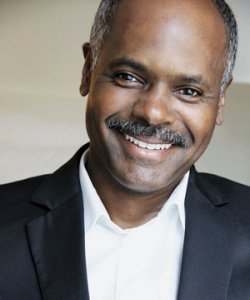
In the second installment of our new self-publishing column, indie author Jeffrey Blount discusses his book, Hating Heidi Foster, while publicist Anna Sproul-Latimer and bookseller Bradley Graham weigh in on how to grow a self-published book’s audience from family and friends to a wider community of readers.
An agent representing authors such as CJ Hauser and Cecily Wong answers questions about writing in multiple genres, agents’ fees, and publishing work in online journals.
For the first installment of our new column on self-publishing, an indie author details the route he took to self-publishing his novel, while editor Paul Dinas and publicist Corinne Liccketto weigh in with post-publication comments and suggestions.
A debut poet’s first collection examines ethnic identity, gang life, and masculinity.
The agent of authors such as Diana Nyad and Herman Wouk answers questions about self-publishing, age restrictions, and working with an agent remotely.
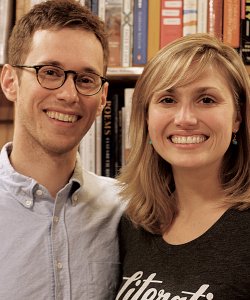
Contributing editor Jeremiah Chamberlin looks at how Michael Gustafson and Hilary Lowe are building a literary life—and a bookstore—in Ann Arbor, Michigan.

Chris Parris-Lamb of the Gernert Company offers advice on submitting query letters and manuscripts, and when to embrace or eschew self-promotion.
Lucy Carson of the Friedrich Agency discusses e-book publishing, when to send a sample to an agent, and more.

Literary agent Matt McGowan, who represents Eula Biss, John D’Agata, Brian Evenson, and many others, answers writers’ most commonly asked questions.
Charlene Oldham, a freelance writer and professor of journalism and business communications, offers advice to writers about how to use Pinterest to connect with and inspire readers.