




Q&A: Alice Quinn Bids Farewell to PSA
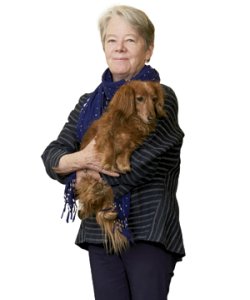
Alice Quinn on her eighteen years as the executive director of the Poetry Society of America.
Tags:
Jump to navigation Skip to content
Articles from Poet & Writers Magazine include material from the print edition plus exclusive online-only material.
Alice Quinn on her eighteen years as the executive director of the Poetry Society of America.

In collaboration with Narrative 4, the House of SpeakEasy’s bookmobile will travel from New York City to New Orleans and give books to schools, prisons, and libraries along the way.
The small press becomes the newest imprint of the University of Nebraska Press.
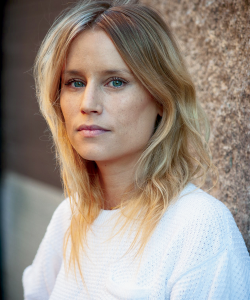
An in-depth look at book publishing as seen through the eyes of five literary agents.

The ten-year-old press publishes full-length poetry collections and chapbooks dedicated to the “values that make poetry timeless.”

The author reflects on his growing collection of books and what it shows about his life as a reader and writer.
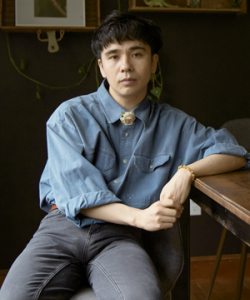
Following the acclaim of his debut poetry collection, Ocean Vuong found power in imagination and freedom in embellishment and wrote a stunningly original novel: On Earth We’re Briefly Gorgeous.

The author uses the 1965 novel Stoner as a catalyst for sharing his own struggles as a writer, father, and husband grappling with his own mortality.
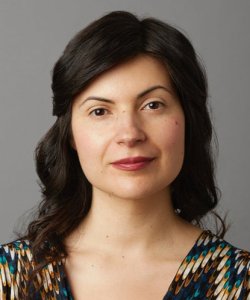
“So much can come of being willing to shut up and pay close attention to the world around you.” —Mona Awad, author of Bunny
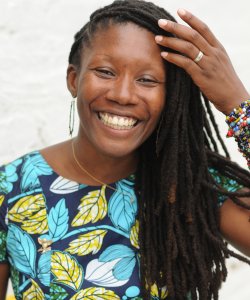
“We have to remind ourselves why we write and why it’s important for us to tell these stories. The universe will take care of the rest.” —Nicole Dennis-Benn, author of Patsy
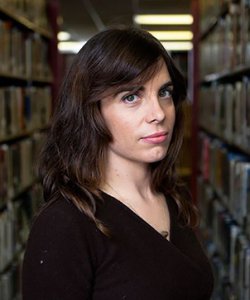
“I love more than anything to be alone in my imagination, but sometimes it is a dangerous place.” —Domenica Ruta, author of Last Day
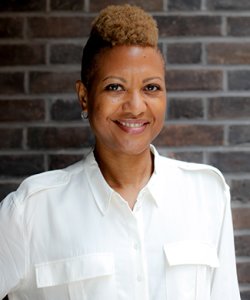
“What many people won’t admit is that it’s impossible to write a novel without a pinch of selfishness, and you have to beg your loved ones to forgive you for it.” —Sara Collins, author of The Confessions of Frannie Langton

“My ideal writing environment is a semi-public place, like a shared office, or a library as long as I can avoid making eye-contact with people around me.” —Xuan Juliana Wang, author of Home Remedies

The author of the New York Times best-sellers Swamplandia! and Vampires in the Lemon Grove talks about her new story collection, Orange World.

The editors stepped down after seventeen years at the nation’s oldest poetry journal.
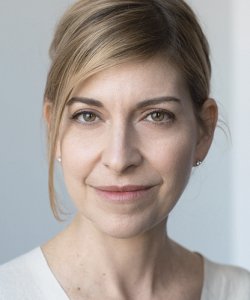
“One of literature’s great powers is its ability to act as a tonic against xenophobia; there’s never been a moment when that power has been more urgently needed.” —Julie Orringer, author of The Flight Portfolio
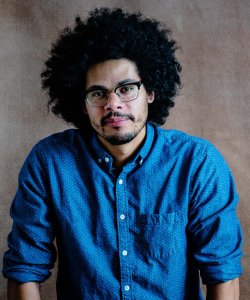
“I wish our books, as art objects, had better ways of showing more of the practice and work and failure that go into making them.” —Geffrey Davis, author of Night Angler.
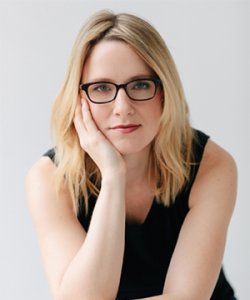
The editor of What My Mother and I Don’t Talk About discusses the mother wound, the importance of writing our bodies, and editing some of her favorite writers.

Adrian Matejka, Robin Coste Lewis, and Paisley Rekdal are among the thirteen recipients of the inaugural Poets Laureate Fellowships.

“I think writing should be connected to the constant ever-evolving work of discovering, (re)imagining, and (re)claiming one’s own selfhood.” —Alison C. Rollins, author of Library of Small Catastrophes

“Look for beauty and grace even in the challenging material, whenever possible.” —Kenji C. Liu, author of Monsters I Have Been

Richard Blanco’s new book, How to Love a Country, questions the very makeup of the American narrative, and ultimately asks what it means to be American.
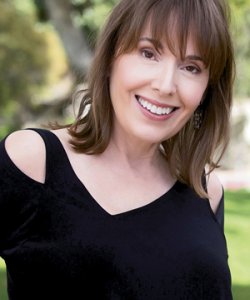
A historical novelist discusses her experiences in self-publishing; an editor and publicist weigh in.

Poet and memoirist Meghan O’Rourke, the incoming editor of the Yale Review, discusses her approach to editing, her plans for the journal, and the trends she’s most excited about.

The online storytelling community expands to print with the launch of Wattpad Books.