




How Deep This Grief: Wrestling With Writing As Therapy

After the sudden death of his sister, an author shifts his focus from trying to write through grief to writing a book for the person he lost.
Jump to navigation Skip to content
Articles from Poet & Writers Magazine include material from the print edition plus exclusive online-only material.
After the sudden death of his sister, an author shifts his focus from trying to write through grief to writing a book for the person he lost.
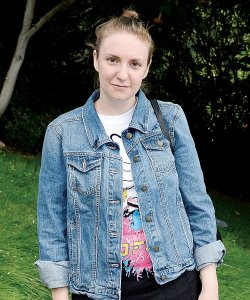
Girls creator Lena Dunham discusses her new feminist book imprint, Lenny Books, and its first title, Sour Heart, the debut story collection by Jenny Zhang.
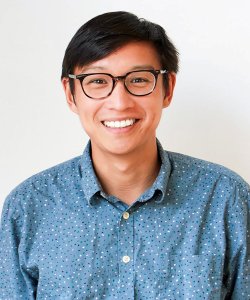
The digital deputy editor of GQ discusses his Best Books of the Month feature and the state of diversity in publishing.
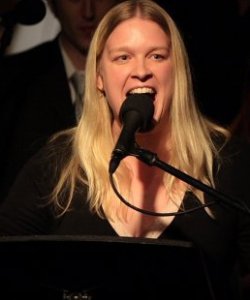
Poets and writers share their notes on writing in this series of micro craft essays. In the latest installment: reading aloud.

A fiction writer’s habit of imagining the lives of people who live in her favorite houses leads to serious research for her novel.
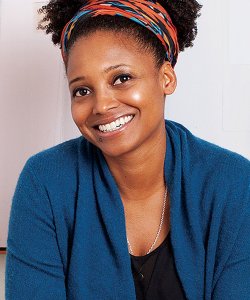
Librarian of Congress Carla Hayden has named Tracy K. Smith the next poet laureate of the United States.

A video series explores ideas of America and identity by featuring people from across the state of Alabama reading stanzas from Walt Whitman’s “Song of Myself.”
In a growing trend, video games simulate the experience of being inside classic works of literature, from Thoreau’s Walden to Joyce’s Ulysses.
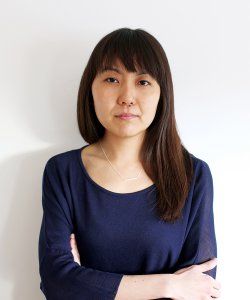
Editor Yuka Igarashi highlights five journals that first published debut stories included in PEN America Best Debut Short Stories 2017, forthcoming in August from Catapult.
Small Press Points highlights the innovation and can-do spirit of independent presses. This issue features the San Francisco–based feminist press Aunt Lute Books.

[Y]volve Publishing, a new press based in Chicago, has launched a chapbook series featuring poetry both written and edited by local teens.
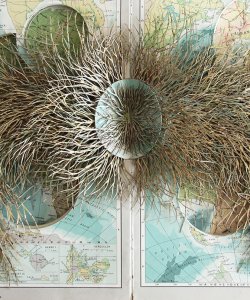
South African artist Barbara Wildenboer transforms old reference books into delicate sculptures that evoke their sources’ subject matter.

A young developer discusses the genesis of her app, We Read Too, which offers an extensive database of multicultural books for young readers.

Page One offers the first lines of a dozen new and noteworthy books, including Roxane Gay’s Hunger and Julia Fierro’s The Gypsy Moth Summer.
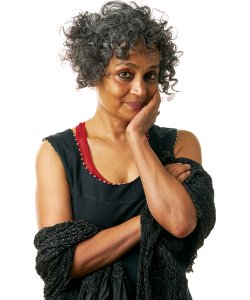
Readers have anticipated a new novel from the author of The God of Small Things for two full decades. Now, with the release of Arundhati Roy’s The Ministry of Utmost Happiness, the wait is over.

Literary agents offer honest, unfiltered advice on how to find, approach, and secure the perfect agent for your work.
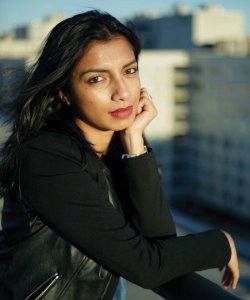
This year’s debut fiction roundup features emerging writers Zinzi Clemmons, Hala Alyan, Jess Arndt, Lisa Ko, and Diksha Basu.

As part of a continuing series, we offer a breakdown of the numbers behind our Grants & Awards listings in our July/August 2017 issue.
Follow these agents on Twitter to gain insight into their tastes, author lists, and what kind of work they’re currently seeking.
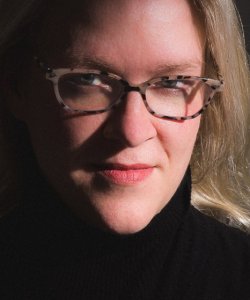
Poets and writers share their notes on writing in this series of micro craft essays. In the latest installment: Is anything ever really over?
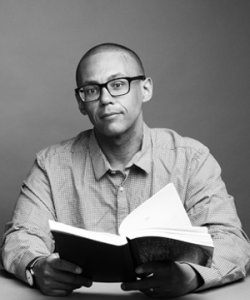
The author of four novels, most recently The Changeling, published by Spiegel & Grau in June, talks about the evolution of his new book, minimal dads, and writing a female character.

Novelist and singer-songwriter Ben Arthur finds inspiration in a chapter of poet Patricia Lockwood’s memoir, Priestdaddy.
Poets and writers share their notes on writing in this series of micro craft essays. In the latest installment: the messy art.
A new exhibit at Pro Arts Gallery in Oakland celebrates the idea of “fun as a revolutionary event” and explores AfroSurreal notions of intuition and imagination.
Poets and writers share their notes on writing in this series of micro craft essays. In the latest installment: the energy of long sentences.