




Small Press Points: Bottlecap Press
A Missouri-based publisher of poetry and fiction allows authors more creative control over their books.
Tags:
Jump to navigation Skip to content
Articles from Poet & Writers Magazine include material from the print edition plus exclusive online-only material.
A Missouri-based publisher of poetry and fiction allows authors more creative control over their books.
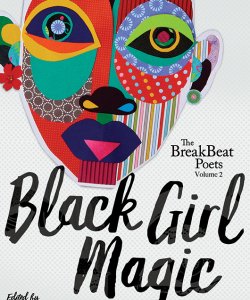
A new anthology from Haymarket Books celebrates Black Girl Magic.

The first lines of a dozen new books, including The Dream of Reason by Jenny George.

Library of America editorial director John Kulka on the importance of publishing classic American literature.

The iconic Seattle literary arts organization plans for the opening of a new space for writers.

A defense of books that whisper in an increasingly noisy world.
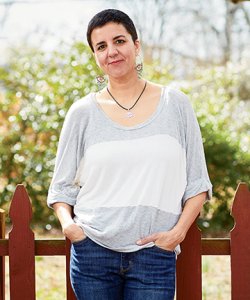
Poet, publisher, editor, and activist Carmen Giménez Smith, whose fifth book, Cruel Futures, is out from City Lights, has some advice for other hardworking poets: We make art to reach readers, not to win a race.

A comparative analysis of the last three years of the magazine’s Deadlines section.

The Pulitzer Prize–winning poet talks about his new book, Air Traffic: A Memoir or Ambition and Manhood in America.
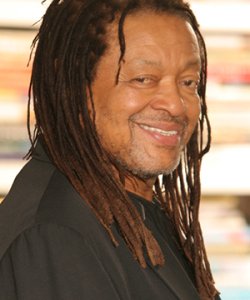
The editor of Black Renaissance Noire on the importance of publishing new and emerging writers.

Responses to AWP executive director David Fenza’s departure have been met by silence from the organization’s board.

On March 11 the board of directors of AWP ended its relationship with the organization’s long-time executive director, David Fenza. “I had no warnings,” he says.
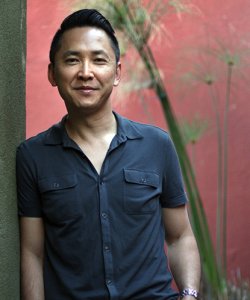
The Pulitzer Prize winner offers his personal perspective on the idea of “home” in his foreword to Go Home!, a new anthology of fiction, memoir, and poetry by Asian diasporic writers.

Dan Beachy-Quick explores the infinite possibilities of poetry and the idea that metaphor can be a philosophy, and poetic craft a means of living a life.

Poet Dan Beachy-Quick considers rhyme, easily derided in workshop but able to make of the mind a wind-chime.
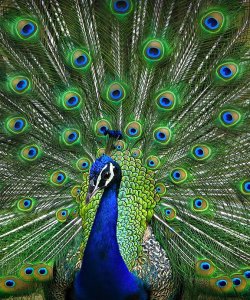
Dan Beachy-Quick imagines the poem as a peacock with tail outspread, and the phosphorescent circle on each feather an actual eye. The poem lets us see through every eye.
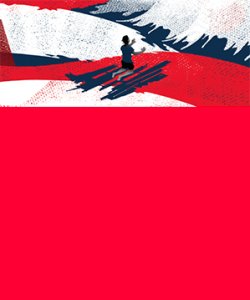
Described as “a lamentation aimed at providing clarity,” Bad Stories: What the Hell Just Happened to Our Country is Steve Almond's effort to make sense of our historical moment using literary voices, including Melville, Orwell, Bradbury, and Baldwin.
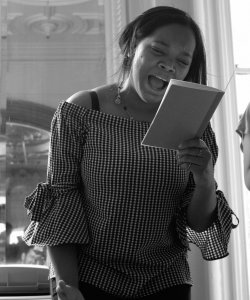
A literary organization brings new life to Langston Hughes’s house in Harlem.

The Tournament of Books kicks off its fourteenth year.
A small press based in Austin, Texas, and Des Moines offers a new model for submissions.

The first lines of a dozen new books, including Feel Free by Zadie Smith.

Julia Pierpont and Manjit Thapp’s new book features a hundred women who have changed the world.
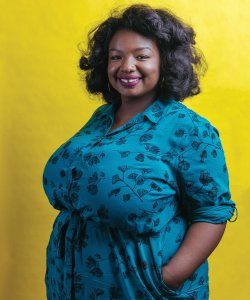
Independent publicists Lauren Cerand, Kima Jones, and Michael Taeckens on what they do for authors.

Dionisia Morales on five journals that published essays from her debut collection, Homing Instincts.

A breakdown of the numbers behind the Deadlines listings in our March/April 2018 issue.