




The Legacy of June Jordan
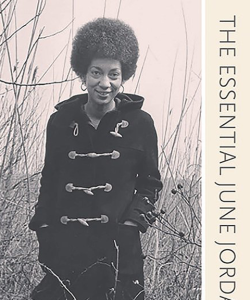
An excerpt from The Essential June Jordan, edited by Jan Heller Levi and Christoph Keller and published in May by Copper Canyon Press.
Jump to navigation Skip to content
Articles from Poet & Writers Magazine include material from the print edition plus exclusive online-only material.
An excerpt from The Essential June Jordan, edited by Jan Heller Levi and Christoph Keller and published in May by Copper Canyon Press.
The author of The Step Back offers strategies for short-story writers trying to draft a novel for the first time and shares how a new approach—aiming to pen a thousand pages—led to his first novel.
Author Lara Ehrlich, the host of Writer Mother Monster, shares a selection of the best insights and advice offered on the podcast.
The literary agent answers questions about submitting story collections, getting an agent’s attention, and querying two agents at the same agency.

“There’s something sort of final and fulfilling about discovering, say, that a poem’s floor is also its ceiling.” —Justin Jannise, author of How to be Better by Being Worse

The author of Martha Moody finds new strategies to sustain her creative life after suffering a head injury.
Pik-Shuen Fung’s Ghost Forest, forthcoming from One World on July 13, 2021.
“Writers cannot afford the luxury of emotional numbness nor protective armor.” —Quiara Alegría Hudes, author of My Broken Language
The author of Martha Moody celebrates the creative freedom of small-scale indie publishing.
An exclusive first look at Myriam J. A. Chancy’s What Storm, What Thunder, which is forthcoming from Tin House on October 5, 2021.

“Do the hard stuff first.” —Kaitlyn Greenidge, author of Libertie

The author of Martha Moody writes about the intimacy and queerness of italics.

Kristen Radtke’s Seek You: A Journey Through American Loneliness, forthcoming from Pantheon on July 6, 2021. Editor’s Note: This book’s publication date has been changed to July 13, 2021.
“Working in a tactile creative form refreshed my approach to making changes in my writing.” —Gina Nutt, author of Night Rooms

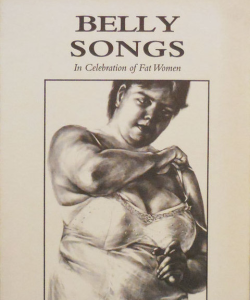
The author of Martha Moody recalls the challenge of finding language to describe her body.
Resources and ideas for volunteering, donating, reading, writing, and taking action to support the Asian American Pacific Islander (AAPI) community.
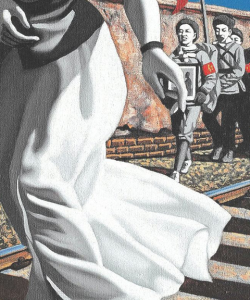
Yan Lianke’s Hard Like Water, translated from the Chinese by Carlos Rojas, forthcoming from Grove Press on June 15, 2021.

“Eventually, like a banner, the imagination unfurls itself.” —Jo Ann Beard, author of Festival Days
The editors of Poets & Writers Magazine recommend fourteen books that were published in March 2020.
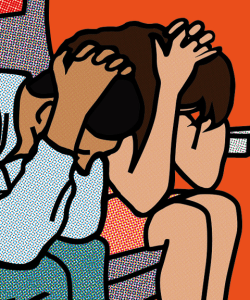
An exclusive first look at James Hannaham’s Pilot Impostor, which is forthcoming from Soft Skull Press on November 2, 2021. Editor’s Note: This book’s publication date has been postponed to November 30, 2021.
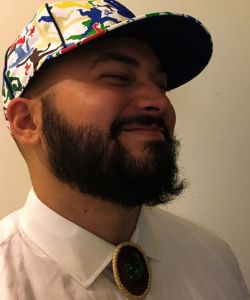
“I miss the intimacy of hearing undiluted voices. Hugs. Raw laughter.” —Benjamín Naka-Hasebe Kingsley, author of Dēmos

The author of I Know You Know Who I Am writes about stashing his surplus sentences and character sketches in an electronic “junk drawer.”

Ashley C. Ford’s Somebody’s Daughter, forthcoming from Flatiron Books on June 1, 2021.

“I write four hours or one thousand words a day, whichever comes first.” —Viet Thanh Nguyen, author of The Committed

The author of I Know You Know Who I Am recalls his first attempt at writing a braided narrative.