Bittersweet: The Immigrant Stories
Tanya Ko Hong explores both cultural and personal experiences with her writing, and seeks to bridge the gap between first-generation Korean immigrants and their Korean American children through her bilingual works. She has been published in Rattle, Beloit Poetry Journal, Two Hawks Quarterly, Portside, Cultural Weekly, Korea Times, and Korea Central Daily News. She has an MFA in creative writing from Antioch University in Los Angeles, and is the author of four books, including Mother to Myself (Prunsasang Press, 2015).
 On a chilly January evening, the Korean language reverberated through the Poet’s Garden at Beyond Baroque in Venice, California for the “Bittersweet: The Immigrant Stories” event. In all the mainstream poetry readings I’ve attended, the voices of these first-generation immigrants have been absent. Many immigrants want to express themselves but cannot due to language, social, and cultural barriers. In the Korean writer circles, the few who give voice to the immigrant experience aren’t even confident that their stories are worthy of translation or performance in English. Without translation, these original stories are in danger of dying out with the immigrant generation. I want to prevent that. As Toni Morrison said, “If there is a book that you want to read, but it hasn't been written yet, you must be the one to write it.”
Since there didn’t seem to be an event celebrating the works of immigrants, I knew I had to do it. Why should my fellow immigrant artists feel invisible, voiceless, and unworthy? This evening was the realization of my dream to celebrate their works with a multicultural audience. Light evening breezes tossed the overhead string of lights as eleven artists shared immigrant experiences of Korean, Mexican, Filipino, and other cultures. Korean poets read selections as originally written, and then American poets read the translations.
Heard in English for the first time, “Sugarcane Arirang” by So Hyun Chang, recounted the first Korean Americans’ long days in the sugar fields of Hawaii. In Korean, the refrain of “Arirang” conveyed the rhythm of life in the fields and longing for home. The translation spoke of the raw and emotional experience. It was not a coincidence that the event date coincided with the one hundred and fourteenth anniversary of the first documented Korean immigrant’s arrival in Hawaii. The bittersweet aspect of the evening was the truth of the immigrant experiences and generational differences, which had been kept in silence for so long.
At the end of the evening, I read “American Dream” in both Korean and English, which ends with the question, “Who am I to you, America?”
The chill of the night was replaced by the warmth of friendship as we physically huddled together to conserve heat. The audience included writers who seldom venture outside of the Korean community, let alone to a Los Angeles venue like Beyond Baroque. The shared laughter and tears began to dismantle the barriers, borders, and fences of race, language, culture, gender, and age that often keep us divided.
On April 29, 2017, I will cohost an event at Beyond Baroque to commemorate the twenty-fifth anniversary of the Los Angeles riots, an upheaval shared by Angelinos across cultural lines but seldom discussed today. As with “Bittersweet,” my goal is to bring voices to the shared pain and anguish of our neighboring communities. Let us express and listen to each other. We have suffered in silence too long.
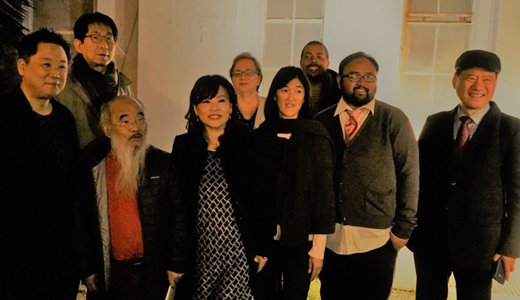 I thank all the participants; my cohost Julayne Lee; and the artists So Hyun Chang, Alexis Rhone Fancher, Christine Gonzalez, liz gonzales, June C. Kim, Soo Bok Kim, Duk Kyu Park, Kuya Paul, and Hiram Sims for making “Bittersweet” such a special night.
Special thanks to Beyond Baroque and their director, Richard Modiano.
Major support for Readings & Workshops in California is provided by the James Irvine Foundation and the Hearst Foundations. Additional support comes from the Friends of Poets & Writers.
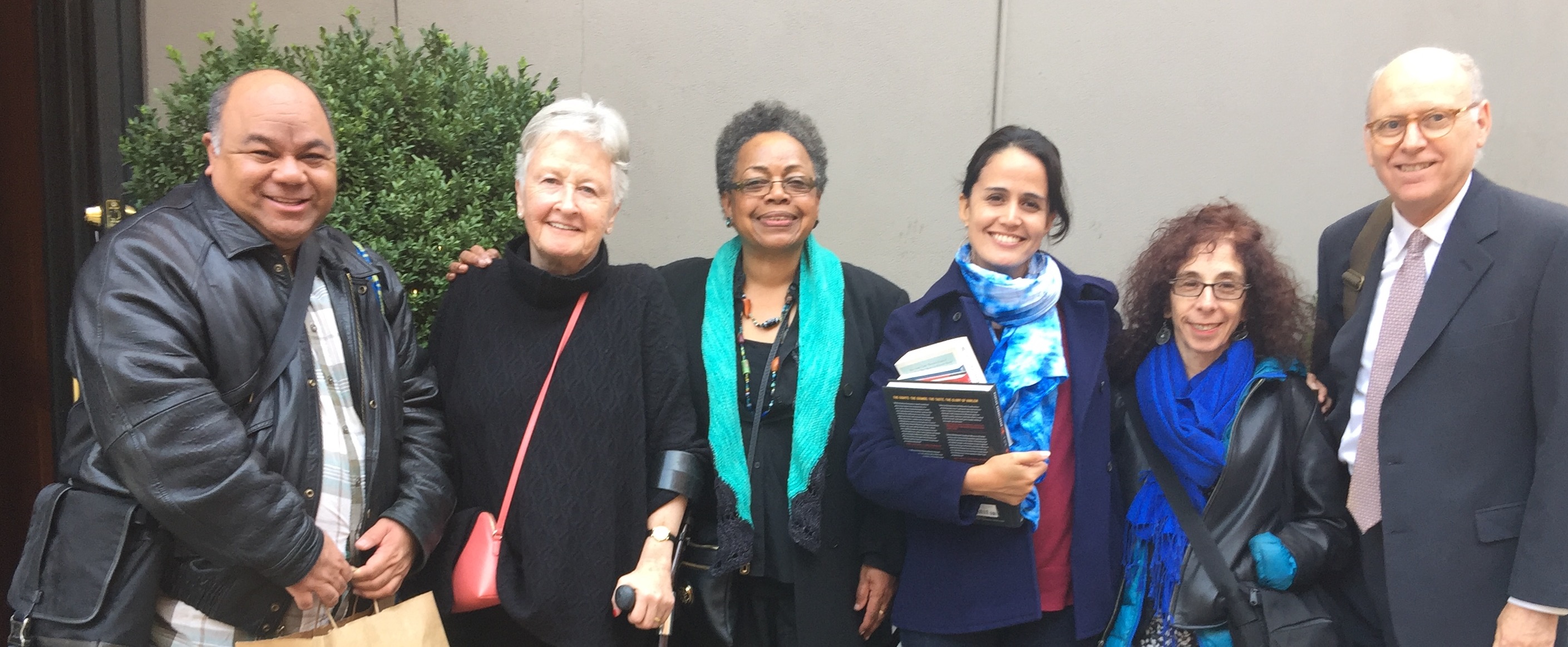
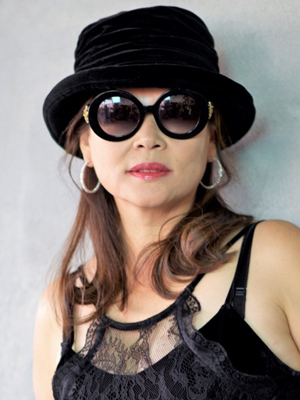
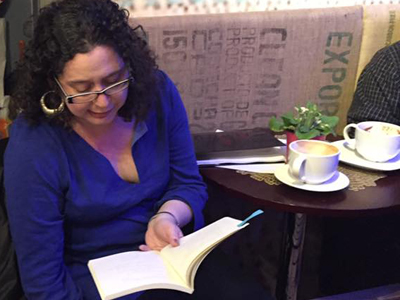
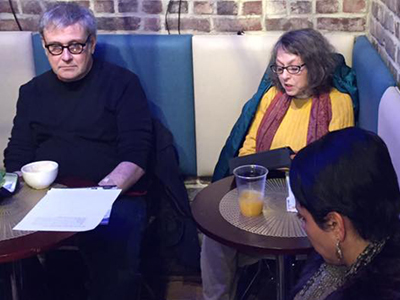
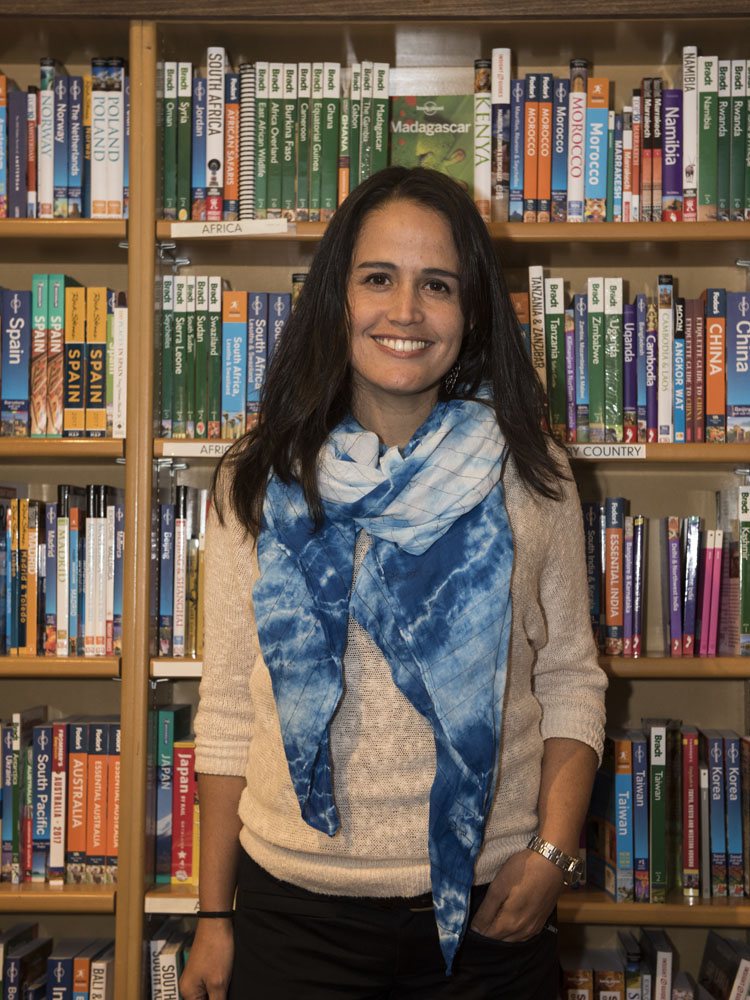
Photo one: Tanya Ko Hong (Credit: Alexis Rhone Fancher). Photo two: The Immigrant Stories readers: (front, left to right) June C. Kim, So Hyun Chang, Tanya Ko Hong, Julayne Lee, Kuya Paul, and Soo Bok Kim. (back, left to right) Duk Kyu Park, Christine Gonzalez, and Hiram Sims (Credit: Patrick Hong).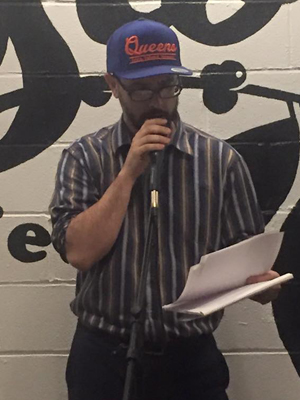 Shortly after graduating from the New School, I started to think about how I could continue the same sense of community, support, creative energy, and stimulation that I received from my fellow students and professors. I saw a post on Facebook that was searching for someone to host and curate a reading series/open mic at a new comedy and creative venue in Astoria. The idea was to feature a diverse mix of Queens and non-Queens-based writers, and get local writers from my New School MFA connections and on social media to bring another reading series to the often overlooked borough of Queens and its budding literary scene, which happens to be my home and birthplace.
 The “Risk” and “Discovery” in the reading series title was inspired by essays on writing by Yusef Komunyakaa, which emphasize the surprise that can come in one’s writing when challenging subjects or ideas are tackled in an unorthodox or imaginative way. At the most recent incarnation of my reading series, I give my attendees a handout with poetry prompts that asks them to write instant poems (the discovery), and then read them aloud (the risk). These poetry prompts have also been an effective way to jumpstart my own writing and bring things out of me from angles and perspectives that wouldn’t have otherwise been extracted or mined. Featured readers, such as Mathew Yeager, Nicole Goodwin, and Ryan Black, have taken the challenge and read their “instant poems” aloud.
 Featured poets who are paid an honorarium are thrilled that this reading series has received grants from the Readings & Workshops Program at Poets & Writers, which encourages writers to travel and go on tours to promote their collections. The option to pay featured readers attracts a wide range of writers to my reading series, and it has grown and built a regular audience over the last three years.
 Dixon Place is one of New York’s oldest art spaces dedicated to creating new work. Since 1986, we have been a nonprofit institution committed to supporting the creative process by presenting original works of theatre, dance, music, puppetry, circus arts, and visual art at all stages of development. We hope to encourage diverse artists of all stripes and callings to take risks, generate new ideas, and consummate new practices.
 Experiments & Disorders is Dixon’s longest continuously running literary series; Tom Cole and I have been curating it together for the last seven years. Each year we have six to eight readings, depending on budgets and scheduling. Usually, Experiments & Disorders is the second or third Tuesday of the month. Tom and I are committed to new work—we always find some writers through submissions, and we often like to pair a less experienced writer with a more experienced writer, though that doesn’t always happen. We love to pair works across genres, so that in one evening we might have fiction read by the author and a performance text read by actors, or a poet and an essayist.
 It’s a home for experiments. I love all of the new work! Last month, we had Heidi Julavits and Leslie Jamison, and they both read work that they’d never read before. It was such an intimate gift.
 What makes your workshops unique?
 Six years ago, I sat on a flight back to California from Hawai‘i, flipping through the inflight magazine. A photo captured my attention: Musicians in the 1970s gathered with string instruments on the Windward side of O‘ahu, in a town south of my elementary school. I left Hawai‘i for college a dozen years before, and what was once a mainland adventure had long been replaced by homesickness.
 In New York, I felt surrounded by people who love books, as I do. I share this award with poetry winner
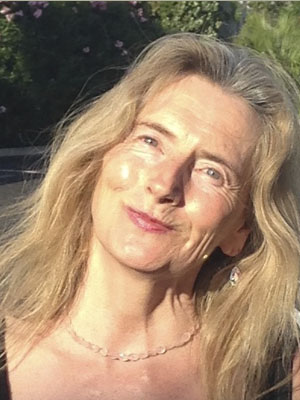 In the winter of 2016, my life changed. With a generous grant from Poets & Writers, our local mountain town library sent me into our high schools, singing the praises of poetry. I visited classes in public and charter schools, sharing with students my love of poetry and how it saved my life. I read poems and invited them to join me for weekly sessions to write poems together. An overwhelming number of students signed up and a dedicated, talented, inspiring group met with me for several hours each week.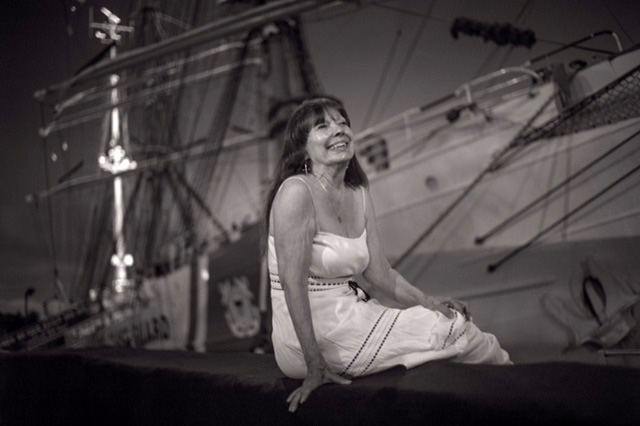
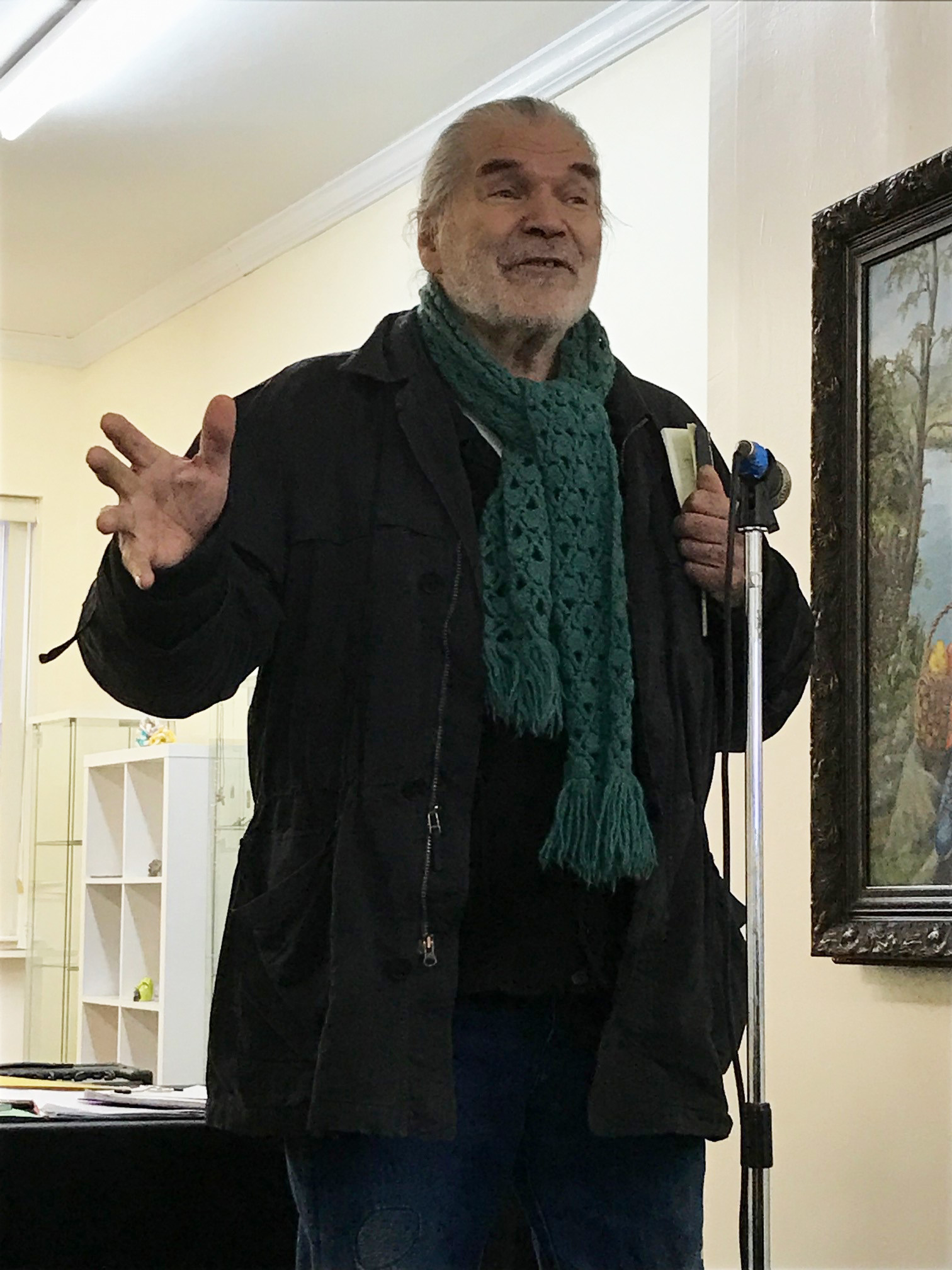 In June of 2015, the event was attended by ten poets, and we were each other’s audience. In February 2016, we received the first of four Readings & Workshops grants. Since then we have been able to fund a poet who once lived in Staten Island but now lives in Manhattan, a poet who writes in both English and Spanish, and a poet who writes in both Japanese and English. Our audience as well as our pool of writers has grown.
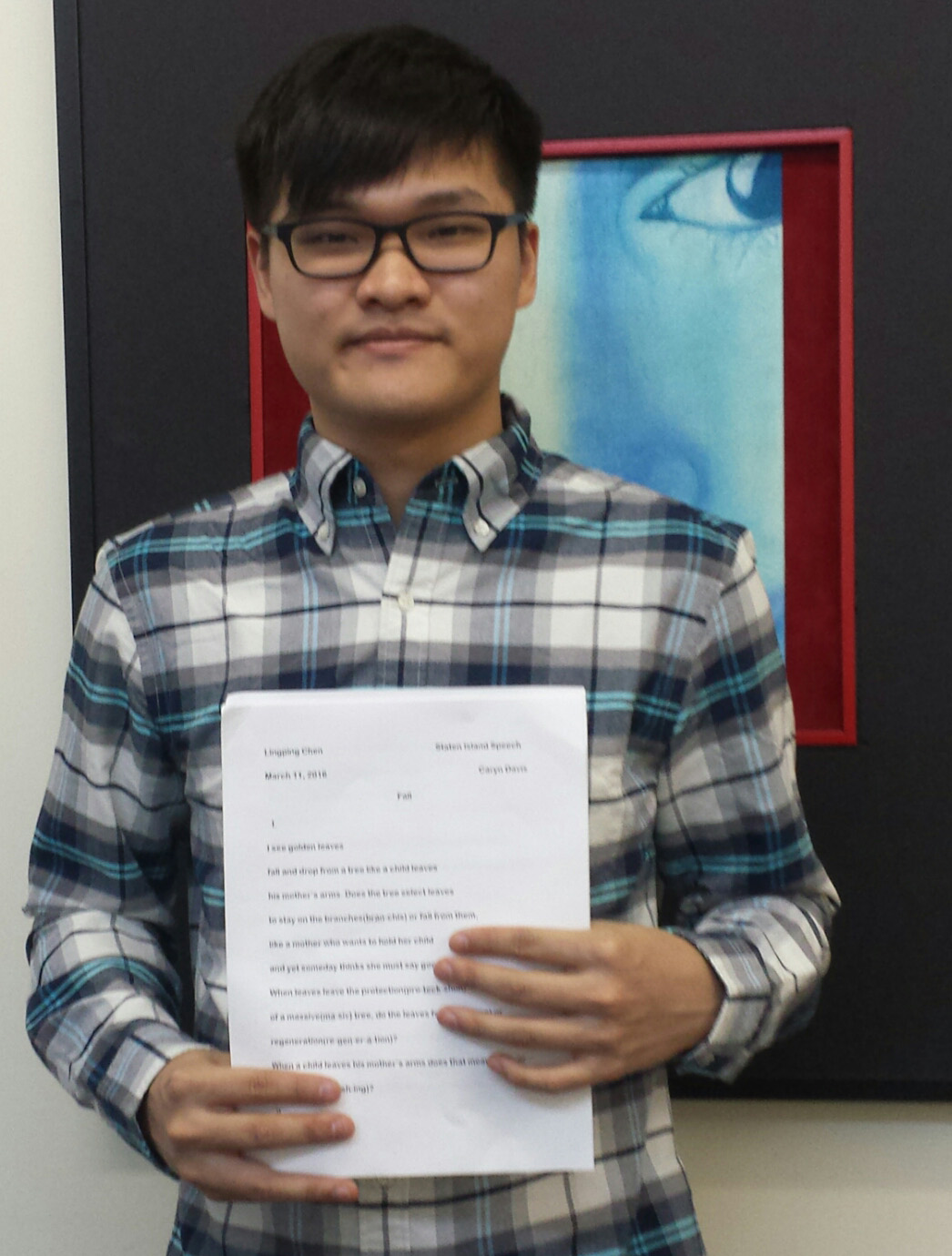 At 2:00 PM the gallery was empty. We shoveled the sidewalk and salted the ramp. An hour later, the gallery was full. Marilyn Kiss read in Spanish, Kevyn Fairchild in Hungarian, Malachi McCormick in Irish, Dominic Ambrose in Italian, Lorenzo Hail in French, and Lingping Chen, who had come in on the ferry, read in Chinese.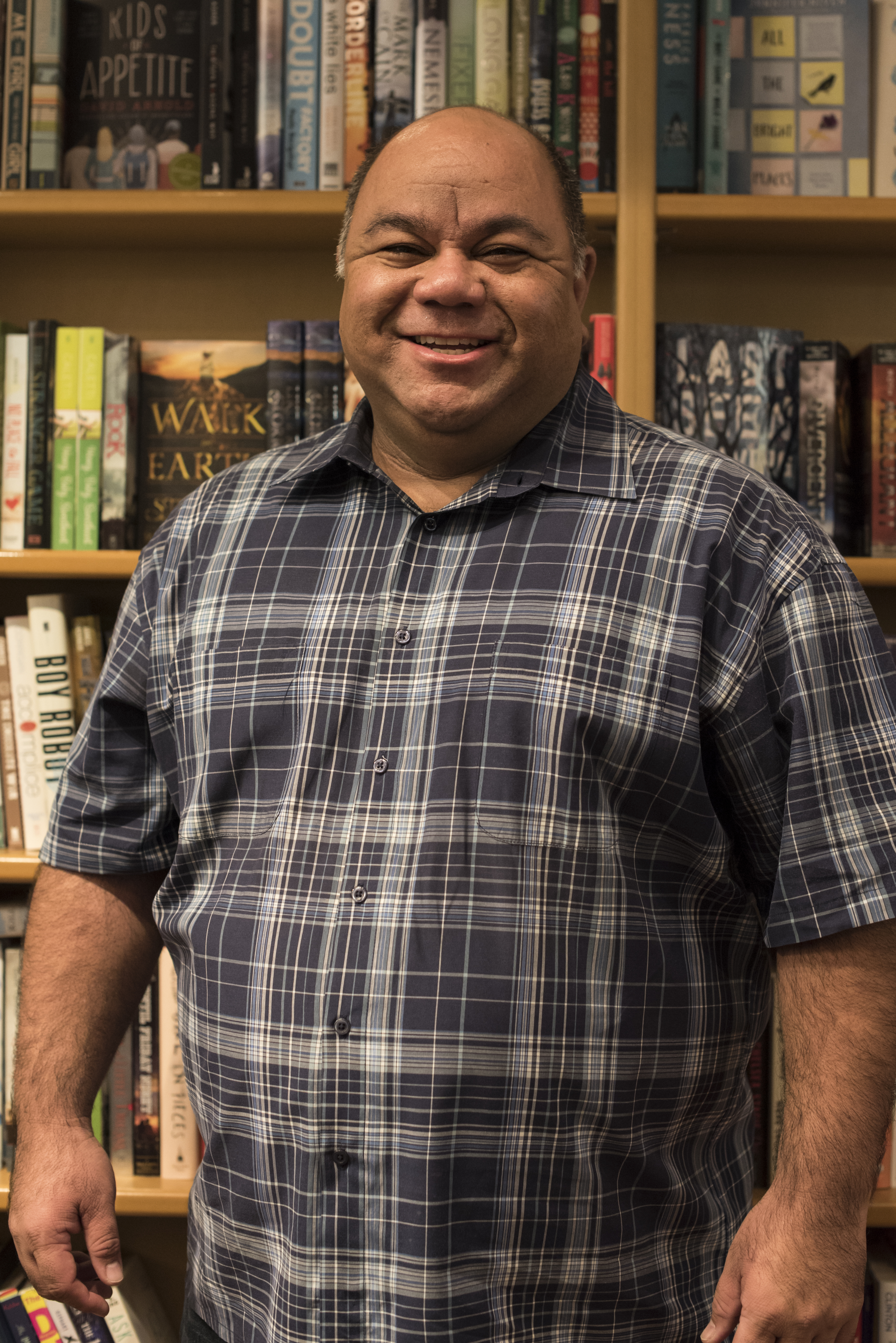
 Now, I am in New York City. I am excited and terrified. I have just arrived on the red-eye into JFK.
  Alicia meets me at the hotel. We cab to Chinatown and eat an amazing lunch. We sightsee before heading back to the hotel for our initial meeting with Bonnie Rose Marcus and Wo Chan, who work in the Readings & Workshops (East) department at Poets & Writers.