The Journey
Brian Evans-Jones immigrated to southern Maine from Hampshire, U.K. in 2014. He received his BA in English Literature and Creative Writing from the University of Warwick, U.K., and was poet laureate of Hampshire, U.K. from 2013 to 2014. He received his MFA from the University of New Hampshire in 2016. His poems have appeared or are forthcoming in Outlook Springs, Stoneboat Literary Journal, and the Cafe Review. Evans-Jones is a juried teaching artist in both Maine and New Hampshire, and teaches poetry and creative writing in schools, colleges, and community venues.
 You are a poet—or you think you are: perhaps you have never been sure. After all, you don’t have the four or five books to your name that you thought you’d have by now. A couple of competition wins, an award or two, yes, but no book. It seems so complicated, so difficult, this business of getting published. You live in a small town, in a rural state, far away from the publishing centers of America; the editors and poets who throng there seem so far above you.
But you try. You enter awards, send to magazines. The magazines all say no. In April, you get a missed call, a New York number—probably a scam. There is a voicemail, from “Bonnie.” It’s not a scam. You have won Poets & Writers’ Maureen Egen Writers Exchange Award—you are going to New York City.
Six months later, you arrive. The buildings are enormous, the streets teeming. You meet Bonnie Rose Marcus, director of Readings & Workshops (East) and the Writers Exchange, tiny and beaming, and go out for dinner with Joan Dempsey, the fiction winner, who fast becomes a good friend. Your nerves are tingling; you almost dread the thought of meeting your first guests tomorrow, these poets who have made it, who have books and books; these editors of famous magazines. What will you ask them, that won’t sound ridiculous? Will they look down on you, will they expect you to know all the poets and trends that you don’t?
Morning comes. Bonnie guides you; the streets seem less alien. The first meeting is with Patricia Carlin, poet and editor. You meet at a coffee shop, get a quiet table in the corner. You’re so nervous, you can’t remember what you said. It doesn’t matter. She’s gracious, interested, friendly. You talk about assembling collections, the benefits and downsides of small presses and regional presses, places to network. She asks if one of your winning poems is available for her magazine, and gives you her card.
Now you feel better. This is going to be okay—maybe even fun. In the next meetings, with agents and other fiction folk, you relax. From the sidelines, you see that all these people—big, important New York City people—are just people: interested in writers, passionate about literature, interested in you.
At dinner, editors from A Public Space, Four Way Books, and Hanging Loose Press discuss magazine life, small press life, poetry. You see that editors simply want their work to be thoughtfully read, the same as you do. Submissions, you realize, can be not a battle, but a communication—maybe even an offering. Someone will like your work—if you take the time to learn what they like first.
The days zoom by. Breakfast with a writer, coffee with an agent, lunch with another writer, tea with a publisher. You grow comfortable with the routine, with the city, with the important New York folk. You meet the president of Farrar, Straus and Giroux and feel entirely at your ease. You love hearing gossip about the Iowa Writers’ Workshop. Kate Angus tells you eight small presses she thinks would appreciate your aesthetic. The tour of the New Yorker offices is unforgettable.
Suddenly, it’s the end. You’re going home, to your small town, your green and quiet state. Nothing has changed there—but when you sit in your placid town library, New York feels close. You start work on your manuscript. You are a poet. You are ready.
The Maureen Egen Writers Exchange Award is generously supported by Maureen Egen, a member of the Poets & Writers Board of Directors.
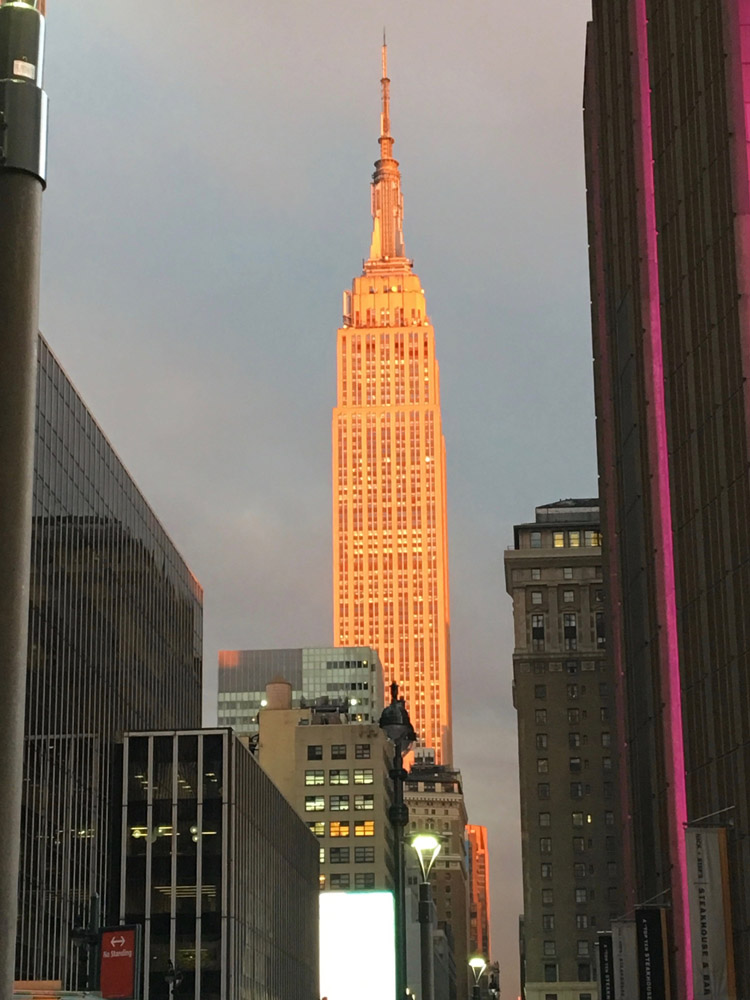
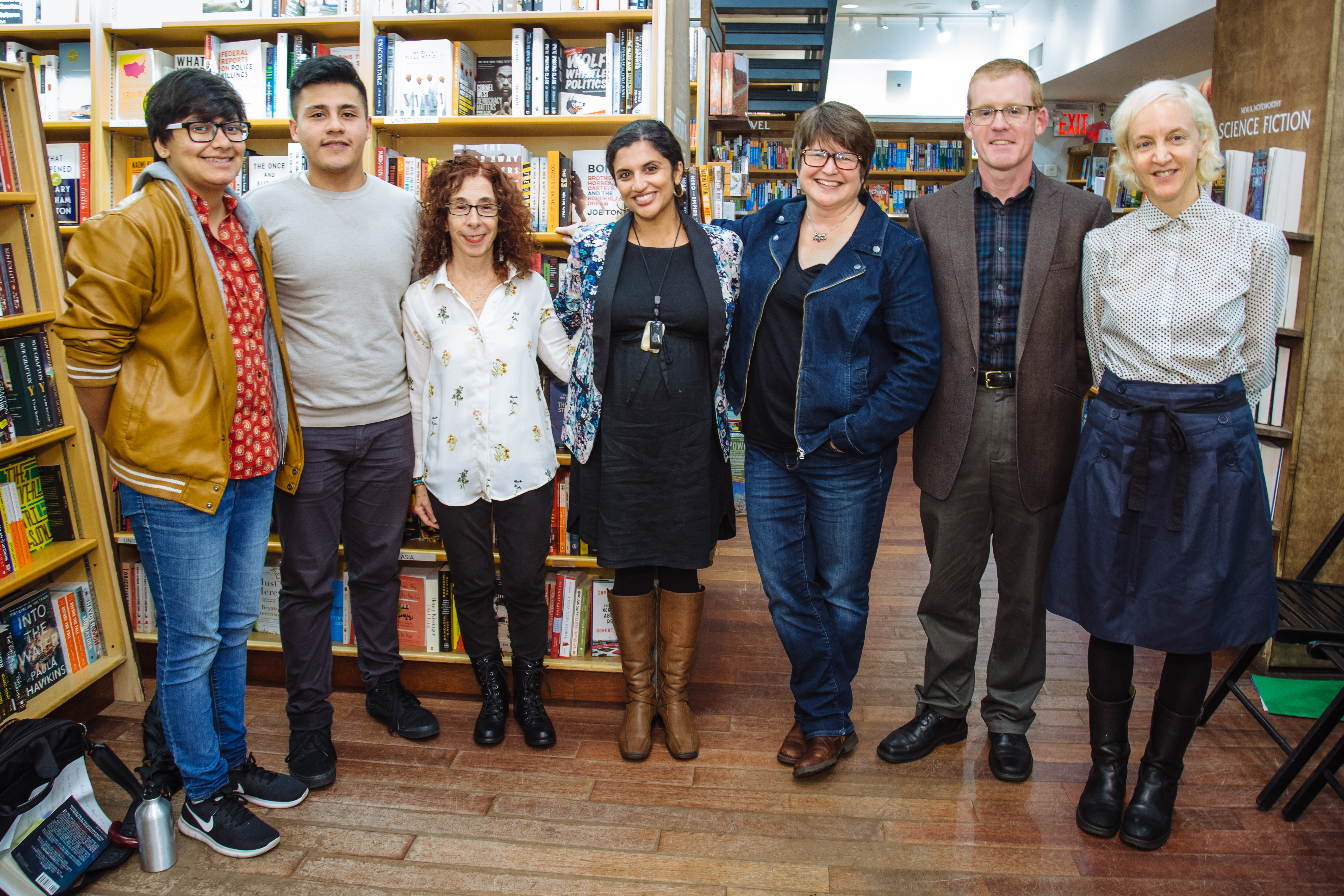
Photos: (top) New York City skyline (Credit: Brian Evans-Jones). (bottom, left to right) R&W fellow Sreshtha Sen, R&W program assistant Ricardo Hernandez, R&W (east) director Bonnie Rose Marcus, 2017 WEX fiction judge Tania James, Joan Dempsey, Brian Evans-Jones, and 2017 WEX poetry judge Cynthia Cruz (Credit: Margarita Corporan).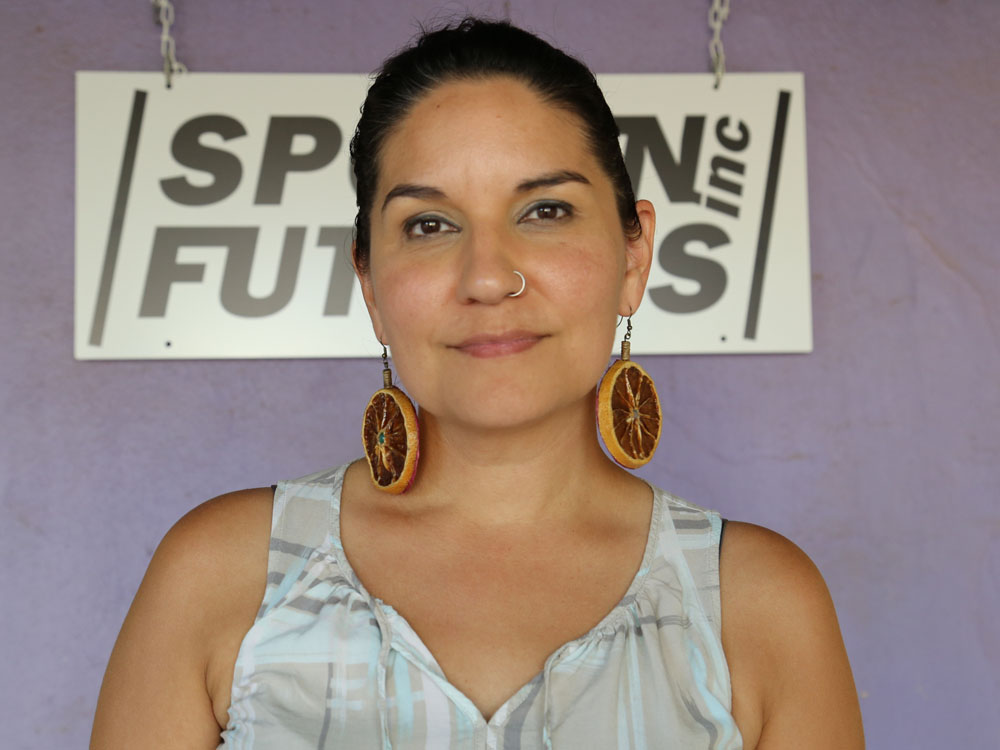 Spoken Futures, a youth organization based in Tucson, Arizona, hosted the season kickoff of the Tucson Youth Poetry Slam (TYPS) on August 19, 2017, which featured P&W–supported poet Bobby Wilson. Wilson’s work is heavily influenced by his Dakota heritage, and his spunky spirit and deep cultural roots resonated with the high school-aged youth. He led a writing workshop with about ten youths, moving them through the anxiety of writing and performing. By the end, all overcame their fears and signed up to compete in the poetry slam.
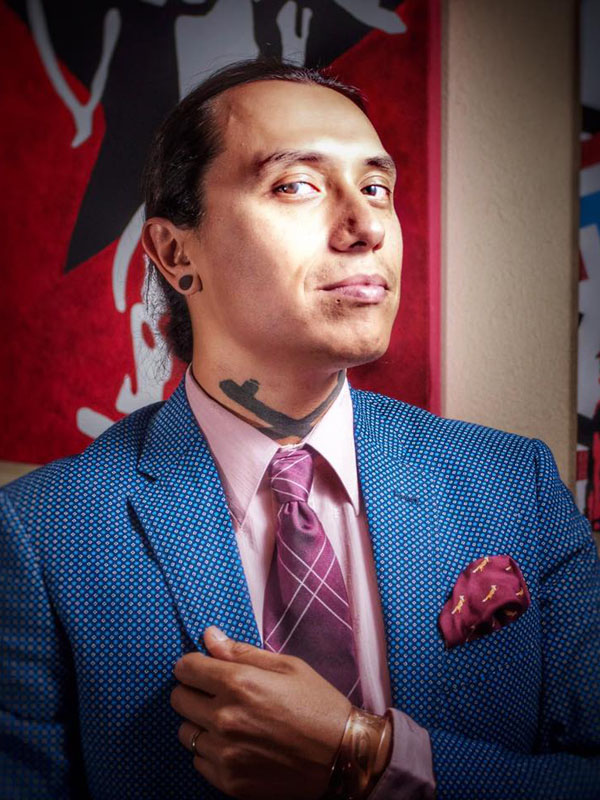 Wilson, a new transplant to Tucson, but a friend of many years to local organizers, also performed a set halfway through the slam. He roped in the audience with poems about his indigenous heritage, trauma from colonization, and dreaming our dreams. In his opening piece, he spoke about the national anthem: “I will not stand, I will not kneel. There are needles in our knees given to our grandparents by good God-fearing men and the women they own.” Wilson is raw, honest, and a kind person. He stayed late to talk to youth, and supported our work with his time and energy.
 On a crisp, clear October morning, the three of us hustled down Vesey Street in Lower Manhattan, not wanting to be late for our meeting with Deborah Treisman, fiction editor at the New Yorker. We hurried past chain-link fences, shrouded to obscure what remains undone in the wake of 9/11. We waved away hawkers who propositioned us with memorial tours. We tried not to think about going up thirty-eight stories in the One World Trade Center building.
 Sitting at a folding table at the
 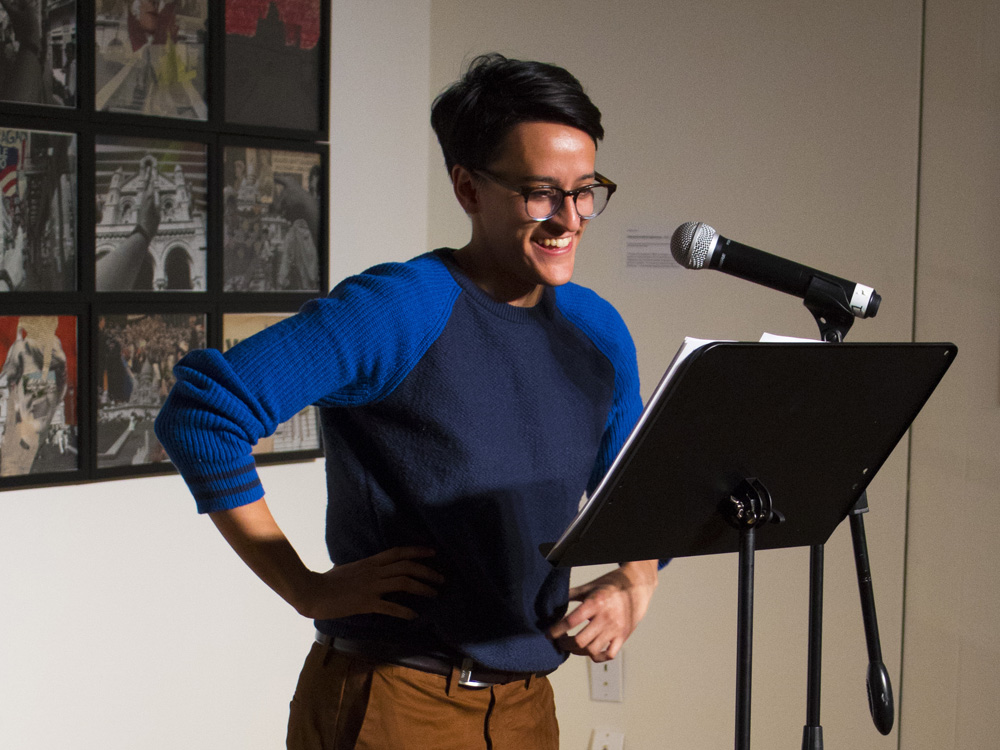 The gallery walls are hung with images of naked bodies. Workshop participants, women and nonbinary, introduce themselves. A pattern emerges: They want to reconnect with their writing. They have felt alone in the current political moment. They have wanted a place where they can be all of who they are—in race, culture, religion, and identity—and where queerness is not the otherness in the room. Someone asks, “When we discuss the texts, do we have to analyze them, or can we talk about the feelings and experiences they call up in us?” Over the next few weeks, our conversations crackle and spiral, one person’s thoughts inspiring a response in someone else; people want to talk about their lives with each other as much as they want to write.
 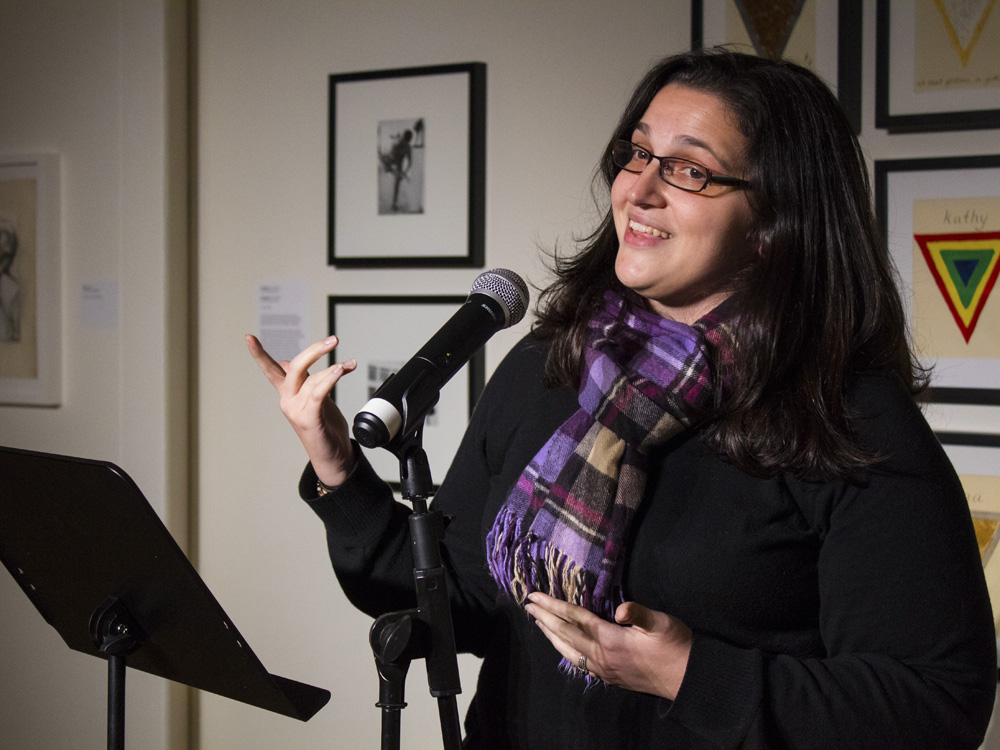 When someone asks, “Can we read non-American or non-Western texts?” I ask for their input. At our final workshop two folks bring in a nonfiction story called “The Woman Who Loved Women” from The Good Women of China: Hidden Voices (Anchor, 2003) by Xinran, and a science fiction short story called “The Worldless” about a genderless future by Indrapramit Das. As the pair discusses what compelled them about each piece, I realize that we all make our own queer herstories, shaped by the spaces we form together. The words of the authors we have read these past weeks are actually in conversation with us...and we speak back to them.
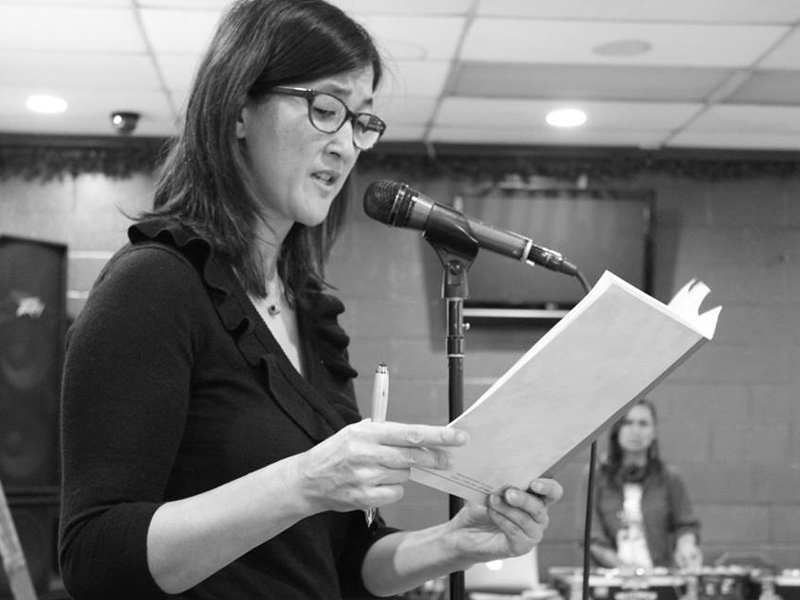 Since the 1950s, South Korea has produced approximately two hundred thousand overseas adopted Koreans. As we’ve entered adulthood, gathering and connecting through our shared experiences have played important roles in our identity formation and well-being. For some, writing has been a means to navigate our adoption journeys, which at times can be very isolating geographically and emotionally.
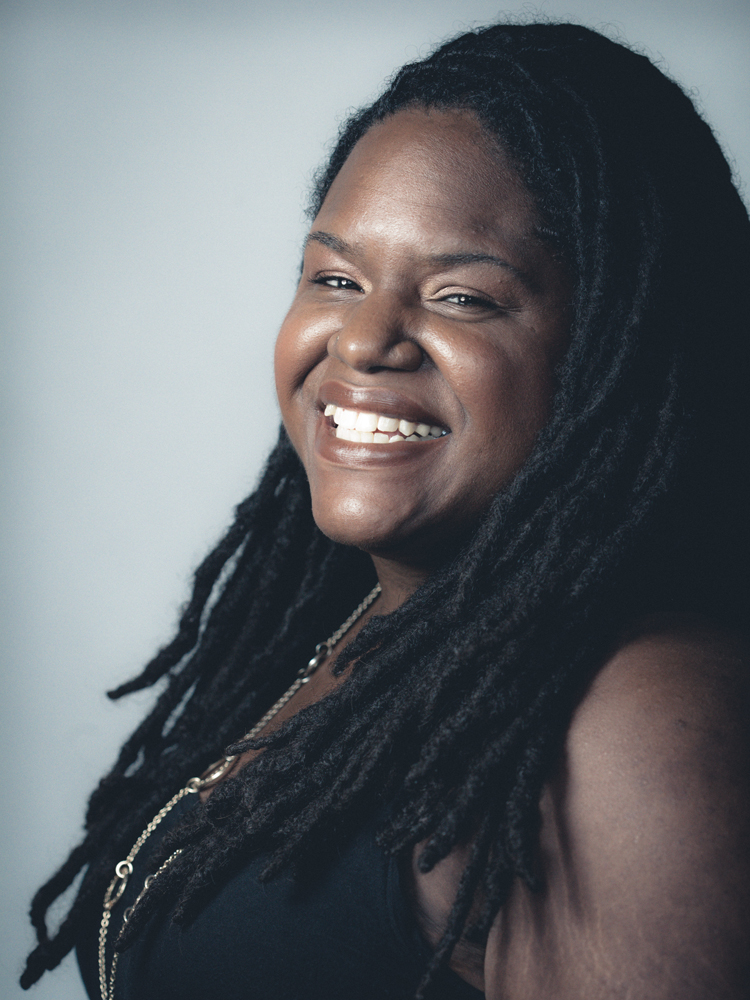 I have been an alumna of the Cave Canem summer retreat since 2008, and had the opportunity to participate in smaller New York City workshops in 2008 and 2009. While the summer retreat is life-changing and affirming, and provided me with a long roster of lifelong friends in the poetry world, the prolonged space(s) with Myronn Hardy and Tracy K. Smith as facilitators provided me with a framework of what a community workshop could look like, how to be rigorous readers and writers in an after-work, weekly setting, while also building community. Cave Canem, for me, is about building a community of people who will sharpen your poeming pen.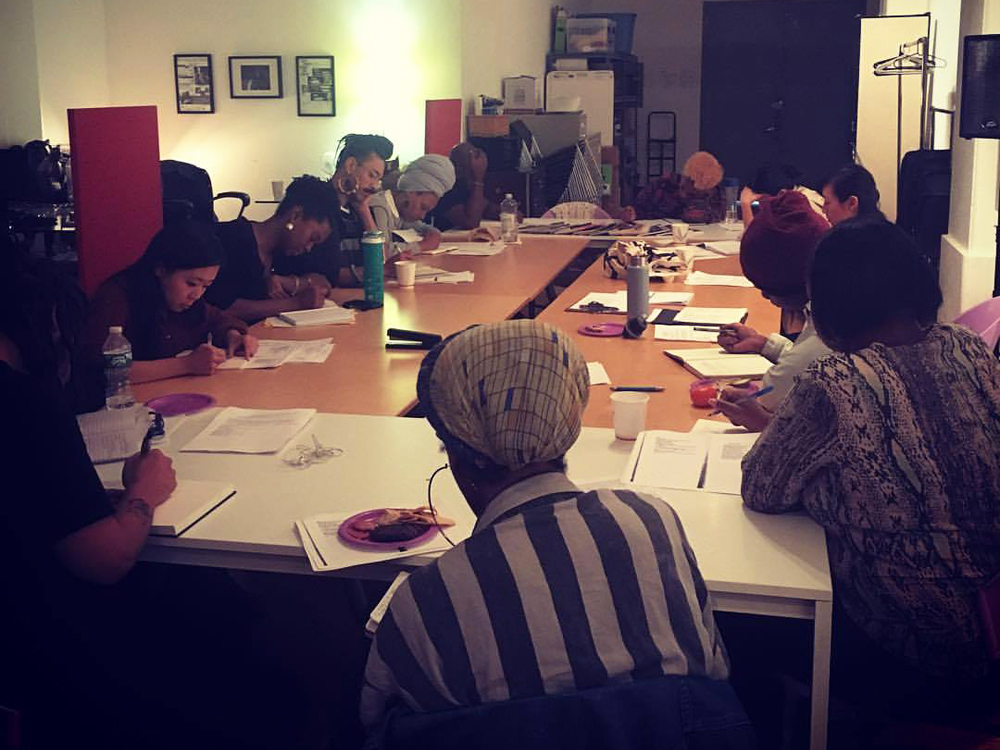
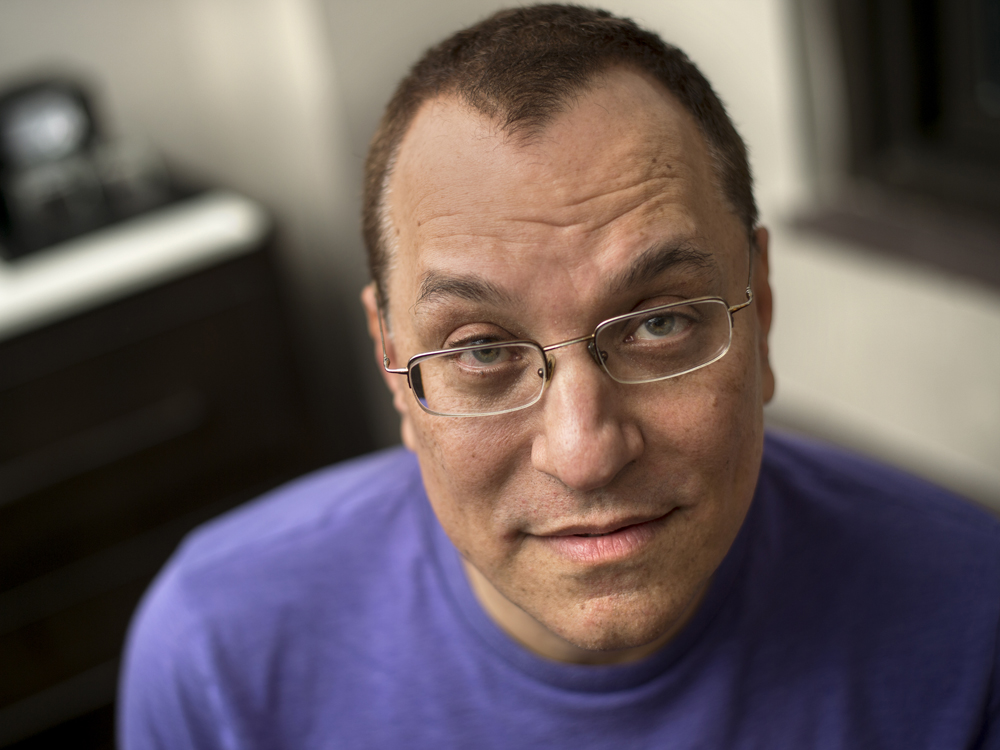 For those of us who live with disabilities, when we think of access we mostly think of physical access: ramps, lifts, and technological aides. But cultural access is just as essential as physical access to an inclusive society.
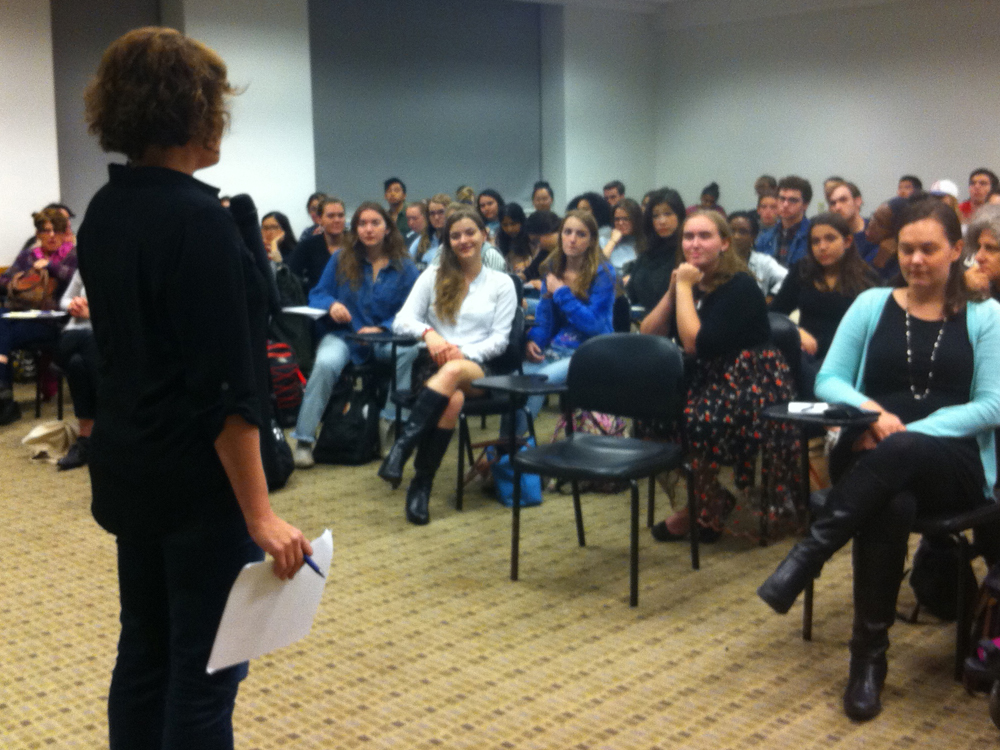 At Georgetown University I helped inaugurate a disability studies minor, which draws on course offerings ranging from anthropology to English, to nursing to theology. I read from and talked about In the Province of the Gods both at a packed event open to the public, as well as in the more intimate setting of a freshman seminar titled “Disability, Culture, and the Question of Care.”
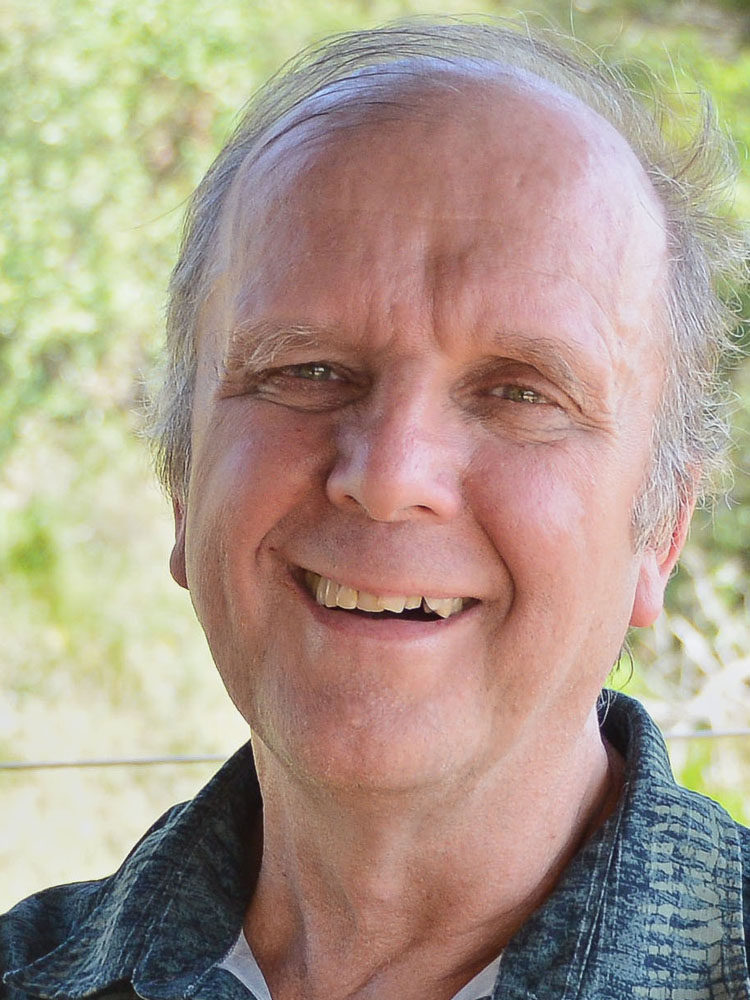 In the spring of 2016, Zach Whelan of Project Avary called the office of the Institute for Poetic Medicine to ask if I was available to bring poetry to the teens they served. This residency would occur during a mid-June, two-week summer camp.
 The Youth Leadership Board (YB) at