




The First-Ever Poetry Workshop at Footsteps
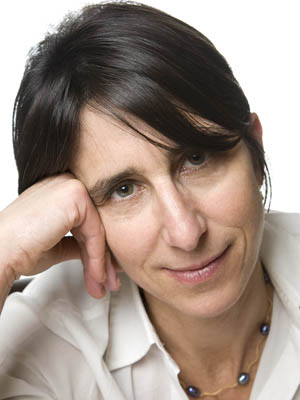
Jessica Greenbaum’s most recent book of poems is The Two Yvonnes (Princeton University Press, 2012). Recipient of an NEA award in 2015 and the Poetry Society’s Alice Fay di Castagnola Award in 2016, she is a social worker and teaches inside and outside academia, most recently at Barnard, Central Synagogue, Brooklyn Poets, Footsteps, and for 9/11 first responders through the World Trade Center’s Health Program. You can find out more about her work at poemsincommunity.org.
 Last winter, Poets & Writers supported a poetry workshop at Footsteps, the only agency in North America providing services for people venturing out of the insular world of Jewish ultra-Orthodoxy. I had heard about Footsteps through a fellow social worker, Jesse Pietroniro, who was a Footsteps staff member—and I was immediately drawn to working with this community. (A stellar feature piece about Footsteps, “The High Price of Leaving Ultra-Orthodox Life,” was recently published in the New York Times Magazine.) Jesse helped champion the notion of a workshop to his colleagues, but it was clear that any payment was going to have to come from an outside source. Luckily, a friend introduced me to Emily Rubin, a writer who has been supported by P&W for her workshops with cancer survivors, their families and caregivers, at two hospitals in New York City. Emily told me about P&W’s grant program, and after I reached out to the director of Readings & Workshops (East) Bonnie Rose Marcus, it took P&W almost no time at all to recognize Footsteppers—as they call themselves—as an underserved population if ever there was one.
Because we ran the five weeks of workshops as open door sessions, participants often overlapped from the week before, but each week the room held new people and a varied dynamic. One participant had been writing for years, and was just awaiting the publication of her chapbook, while others came as novices. Very little is as refreshing—and instructive—as the passion of a reader without internalized hierarchies. Discussing the poem of a laureled poet one participant said, “I hate this guy!” This same participant also unpacked more exciting ideas from another well-known poet’s six-line poem than I ever had, adding, “I love this stuff!” Because Footsteppers have learned to survive by listening to their true thoughts, they have honed the tools of a poet—an honest listening—before even stepping into the room.
The big decision in such a workshop is: How overtly therapeutic should the workshop feel—and still offer poetry writing as a means of expression for everyone? In order to best serve the Footsteppers, how directly should I address issues of identity, family abandonment, trauma, and the other emotional weather systems in the world of people leaving an insular community? From the work I had done with 9/11 first responders, and in consultation with studies used by the NEA’s writing program for veterans suffering from PTSD, I decided to offer some model poems that would touch on those issues at a slant, but that the workshop would present itself more neutrally, almost like a cooking class, and that I would follow where discussion and concerns wandered.
As so often happens, class prompts allowed participants to have spontaneous, organic responses. When asked to recount, as if telling the story to a friend, an incident from childhood that remained resonant for them, participants found their way to anecdotes that seem to hold whole microcosms of their bigger histories. And a prompt to follow stream of consciousness did the same.
Find a community with a tragic amount unsaid and you’ll find a workshop with a true reason for finding words. Find people who have lost a profound sense of their past in order to shape their true selves, and you’ll find poems that blaze with life force and discovery.
Support for the Readings & Workshops Program in New York City is provided, in part, by public funds from the New York State Council on the Arts, and the New York City Department of Cultural Affairs, with additional support from the Frances Abbey Endowment, the Cowles Charitable Trust, and Friends of Poets & Writers.
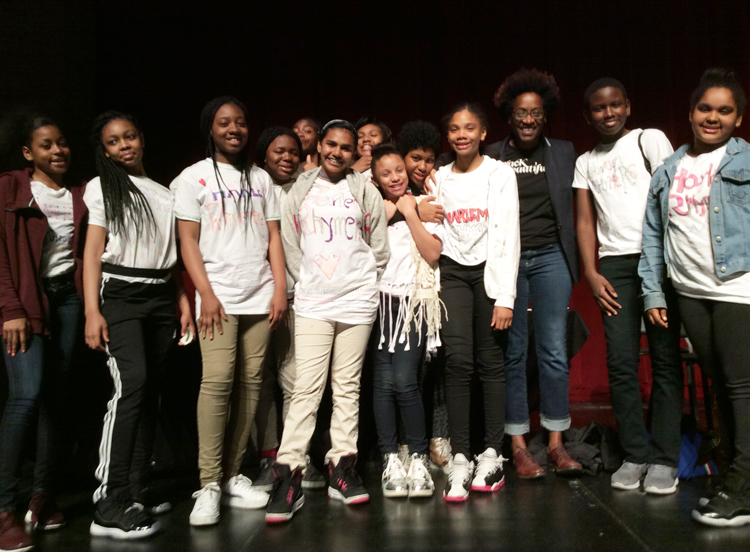
Photo: (top) Jessica Greenbaum (Credit: Leslie Jean-Bart).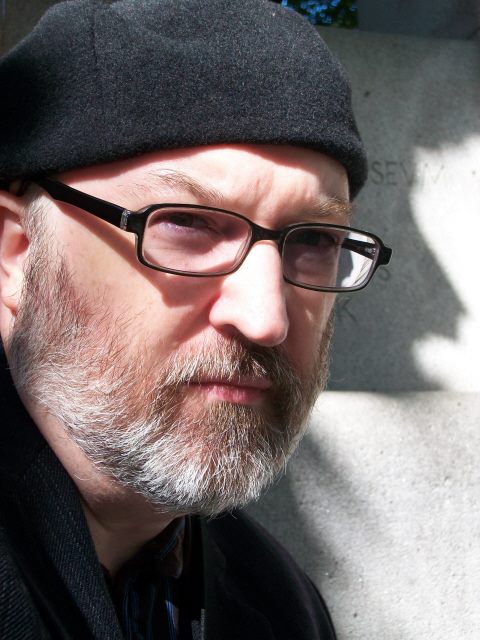 After the wild applause dies down, these students from PS/IS 180 beam as they pose for photographs with author Jacqueline Woodson, the 45th Special Guest Poet at the City College of New York’s Annual Poetry Festival. Every May for nearly a half-century, students from New York City public schools have gathered to read their winning poems at this day-long celebration of the spoken word, and to hear poets and writers like Woodson (whose appearance was funded in part by the Readings & Workshops program at Poets & Writers) read their work, along with student poets in the MFA Creative Writing program at the City College of New York (CCNY), faculty, and others.
 Support for the Readings & Workshops Program in New York City is provided, in part, by public funds from the
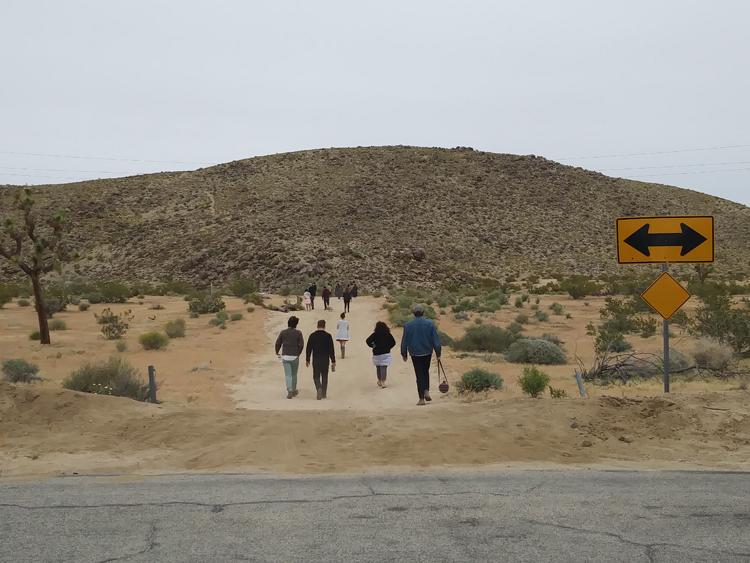
 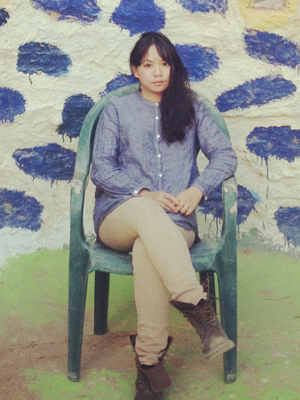 Desert Poetry was conceived and organized by me (Feliz Lucia Molina), Ben Segal, Joseph Mosconi, and Harmony Holiday. The idea for this event transpired at the beginning of nationwide marches and uprisings during the first one hundred days of the number forty-five administration. We sent out a call for the sole purpose of offering space for poets and writers to gather in the Southern California desert (Joshua Tree and Landers) to share concerns, thoughts, practices, and research on issues that are in direct response to the political present. The response to our call was overwhelming as it culminated into a series of twenty-four workshops, readings, and presentations during the weekend of April 7–9. People traveled from far distances including Chicago, Pittsburgh, Oakland, Santa Cruz, New York, Wisconsin, San Diego, and Los Angeles. It was an immediate collective and collaborative atmosphere as people volunteered to help with various tasks.
 Major support for Readings & Workshops in California is provided by the
 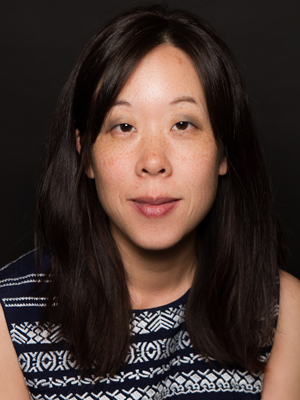 During National Poetry Month, I inevitably overbook events and find myself scrambling to meet my commitments. Though I love meeting new audiences, by the end of the month, I’m very ready to go back to being an introvert. Two of my favorite events this spring were programs that Poets & Writers helped to make possible.
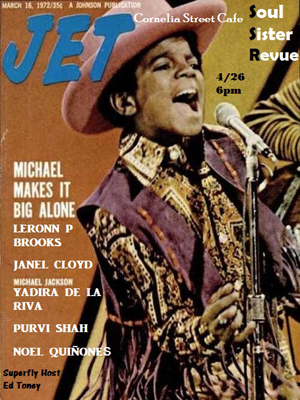 At the end of 2013, I wanted a change. I had been going to traditional poetry readings for years and they all felt the same—the same writers and their friends, people with an MFA reading with similar graduates, or people with published books. And more troubling, I didn’t see people who looked like me, on stage or in the audience. People of color were hard to find and when I did find them, there was usually only one on stage with a couple of their friends in the audience for support. Fortunately, I’ve never been the kind of person to wait for things to happen, so I created
 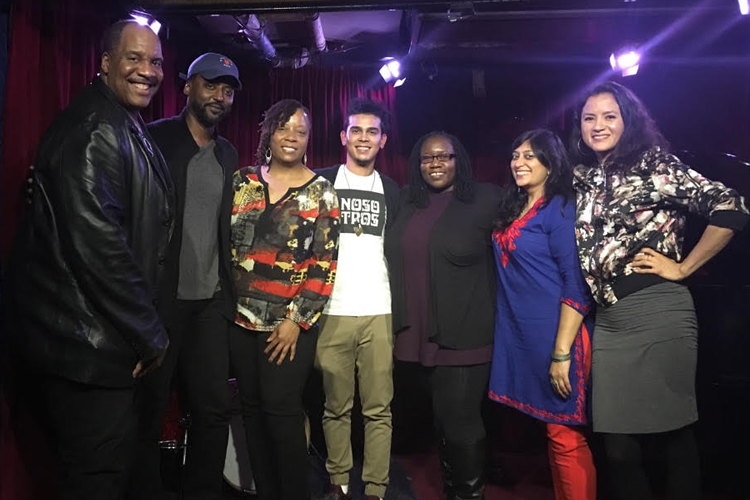 Readers have included Pulitzer Prize–winning poet Gregory Pardlo, Cathy Linh Che, R. Erica Doyle, Ebony Noelle Golden, Charlene McClure, Hanif Willis-Abdurraqib, Elana Bell, and Kamilah Aisha Moon. Some poets e-mail poems to
 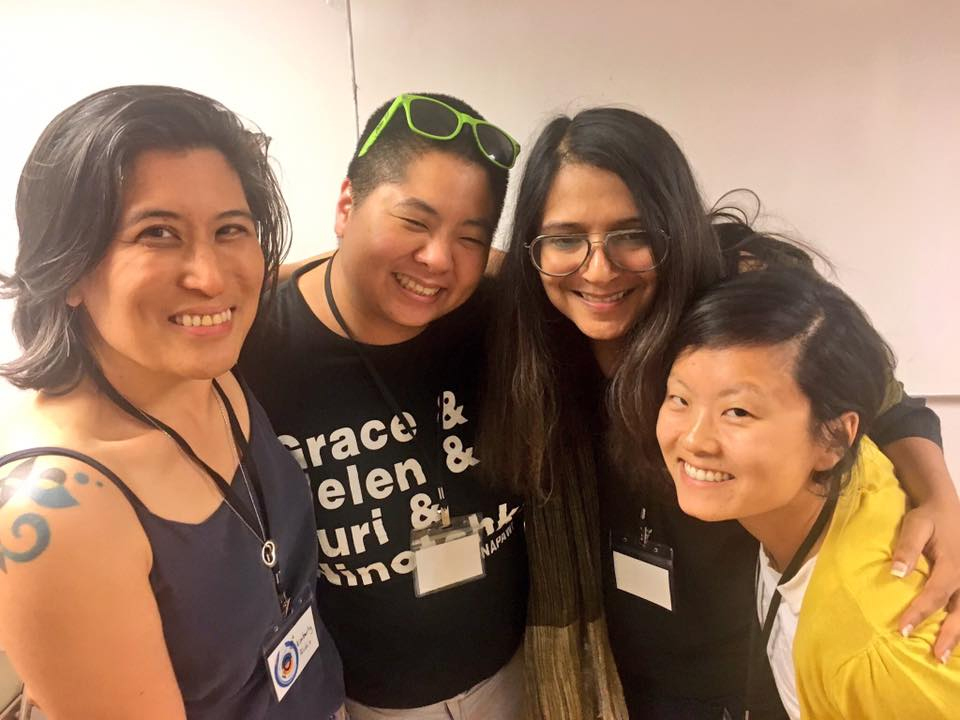 The history and reality of being Asian American in the South are often rendered invisible when it comes to mainstream discourse. Four Kundiman fellows worked to challenge this erasure by uplifting the voices of Asian American poets in the South through the panel, “Self-Articulation and Solidarity: Asian American Poets Encounter the South,” a hybrid poetry reading and discussion at the New Orleans Poetry Festival on April 21.
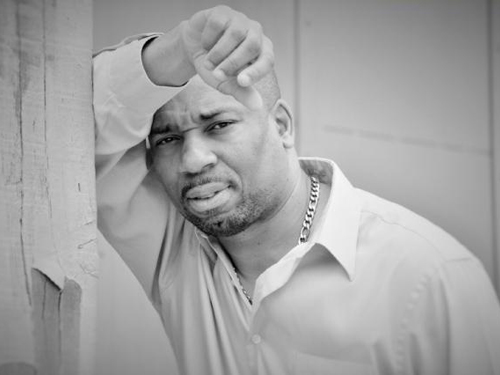 I have the honor and privilege of being chosen by the
  The University of New Orleans (UNO) English Department and the Creative Writing Workshop, our MFA program, hosts readings and lectures by local and national poets. In recent years, Marilyn Chin, Shara McCallum, Laura Mullen, Marjorie Perloff, Metta Sáma, and Richard Siken have presented their work at UNO. Our poetry readings are held in the Liberal Arts building, Room 197, aka “the Lounge.” Complete with a kitchenette, restrooms, a brick courtyard, filled bookshelves, conference tables, couches, comfy chairs, restrooms, and seven entrances, this communal space serves as a casual dining area, a workshop classroom, and the site of the annual MFA prom. Reflective of the culture of our program and the city, a motto that suits our events might be: Come as you are. Bring what you can. Students and faculty arrange the furniture and contribute homemade food and refreshments.
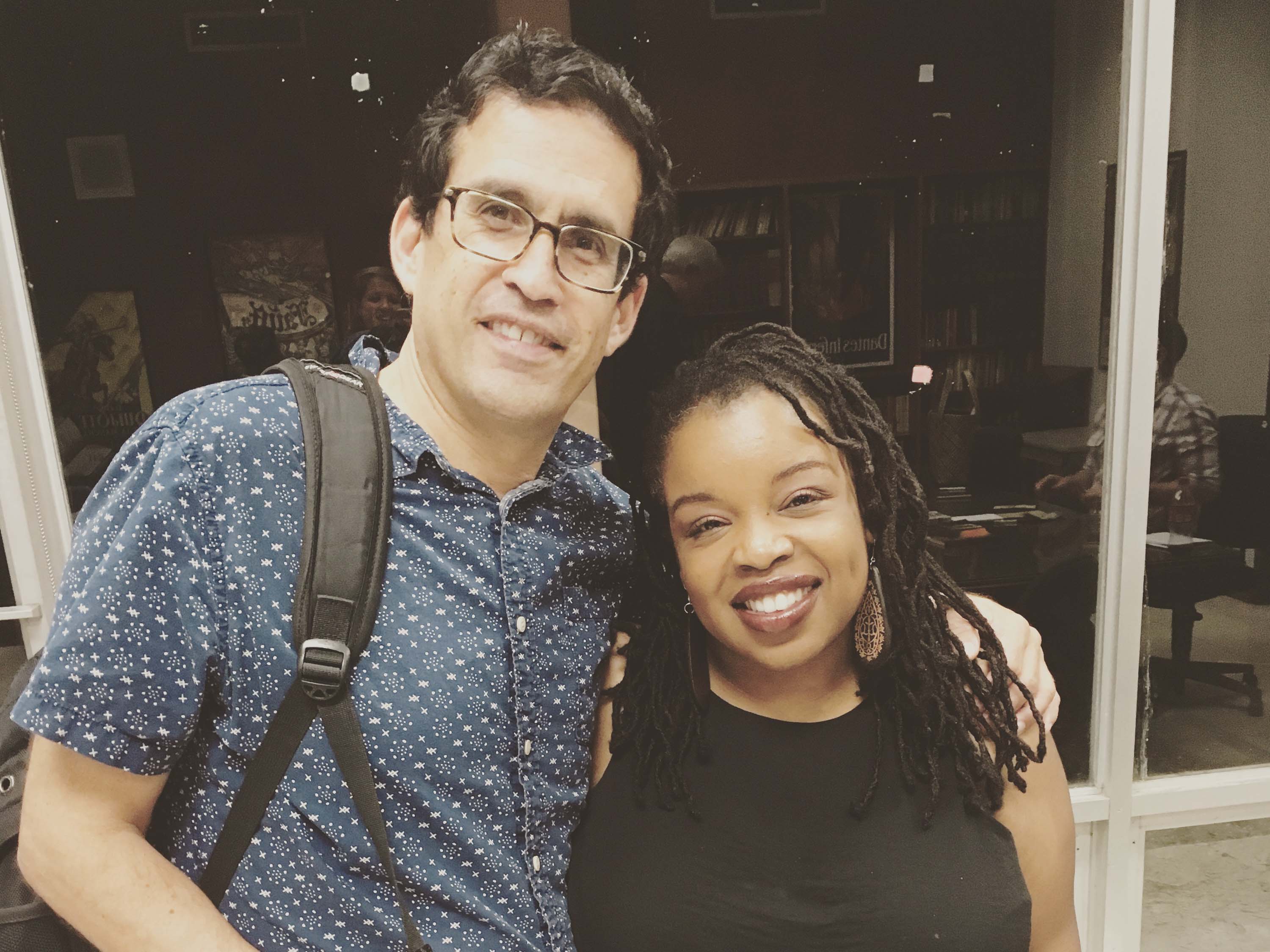 Creative Writing Workshop alumnus Spencer Silverthorne then introduced Rodrigo Toscano. A polyphonic poet with an experimental bent, the longtime Brooklyn resident and recent New Orleans transplant gave a memorable performance from his fifth poetry collection, Explosion Rocks Springfield (Fence Books, 2016). Like Harris, Toscano read from a stack of loose pages. A line from a newspaper article, “The Friday evening gas explosion in Springfield leveled a strip club next to a day care,” serves as the title of each of the book’s eighty poems—a title he delivered with varied nuance each time.
 In 2015, a group of artists, educators, activists, writers, doulas, and healthcare workers came together for an informal think tank to discuss social, cultural, and political issues that surround HIV/AIDS—which include criminalization, stigma, and ways AIDS history is being remembered and disremembered. From there we formed a collective, and started meeting monthly. What became obvious to us soon in the process was that we, as a group, had to check in with each other to figure out what we knew and felt about HIV. Each of us—whether living with the virus or being deeply impacted by it—had different experiences and awareness of the epidemic. At the same time, doula work had become ever more present in our communities—birth doulas, end of life doulas, abortion doulas, gender doulas—folks who fundamentally hold space for someone during a time of transition. We came to understand that we needed to doula ourselves, that is, to hold space for each other in order to better understand the current reality of the virus, to better consider what contemporary responses to AIDS should look like. To do this, we began with a question: What would an HIV doula do?
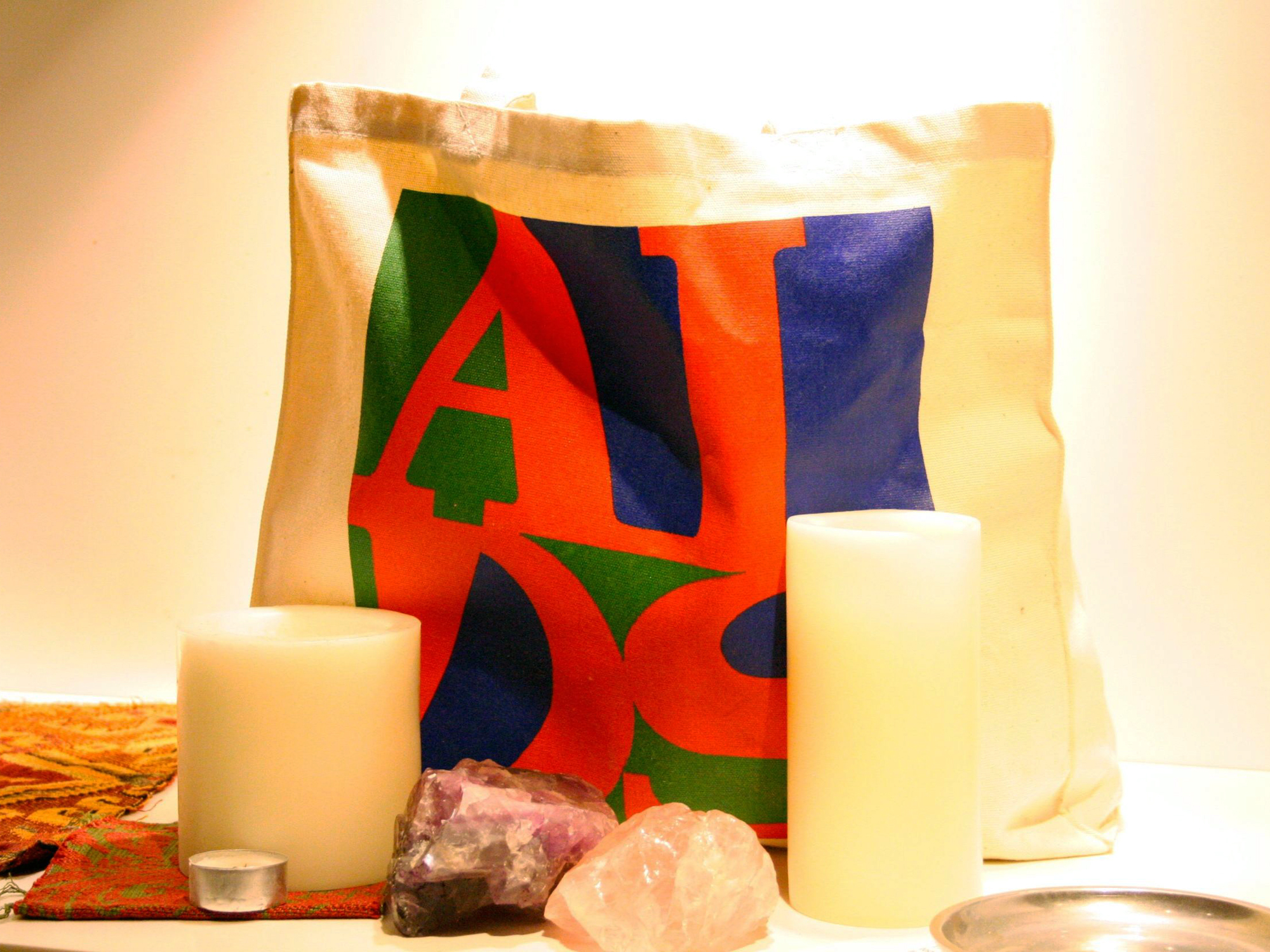 With the support of Poets & Writers, we created a five-part workshop series titled HIV WITH. For each session, a different theme—trauma, spirituality, public health, language, witnessing—and its relation to HIV would be explored under the guidance of a writer and a cofacilitator. For the second workshop of the series, poet and educator Timothy DuWhite and dancer and healer iele paloumpis came together to explore HIV through the interconnected systems of the mind, body, soul, and government. After delivering a powerful presentation on
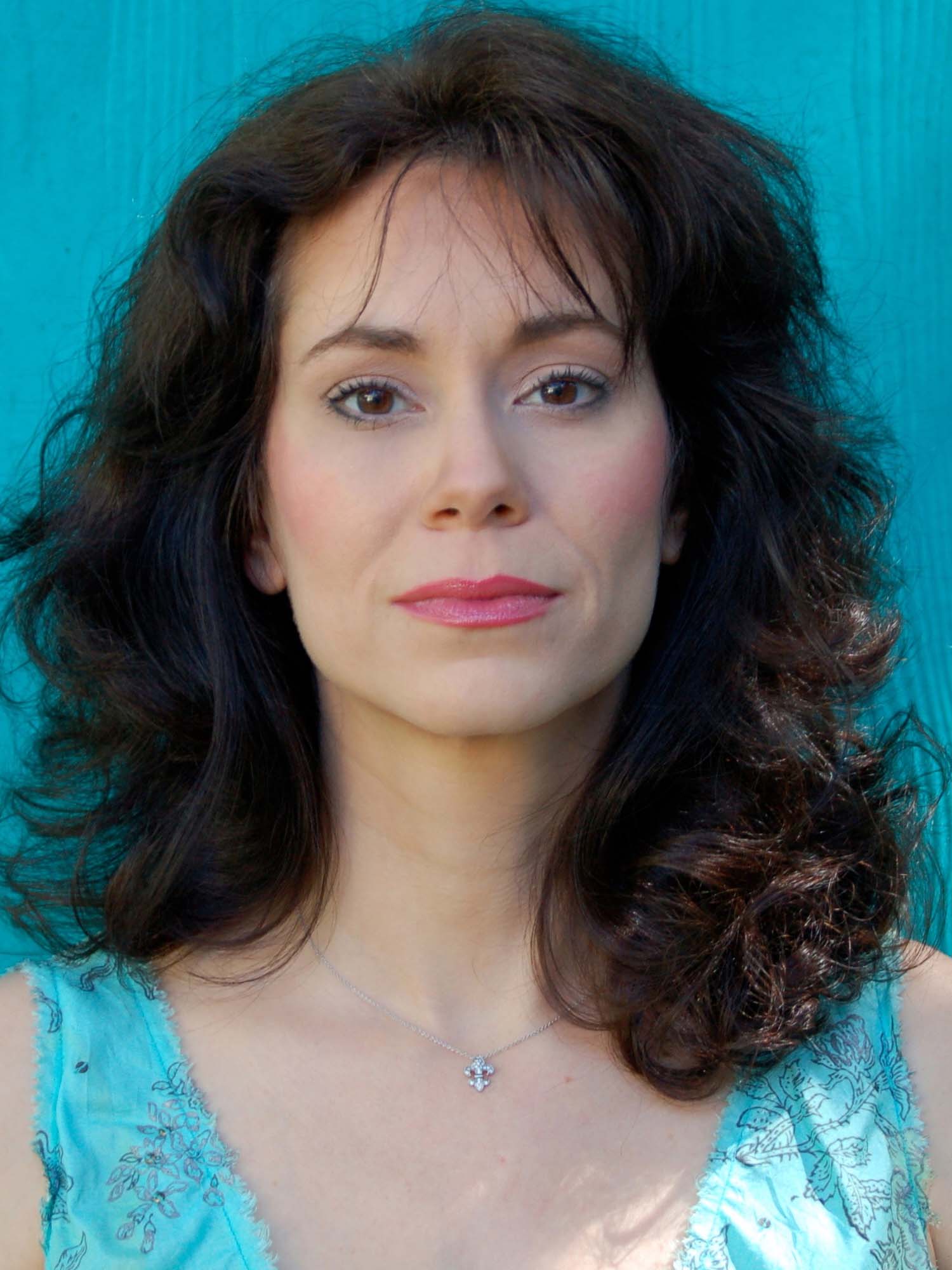
  New to Altadena, and still new as its poet laureate, this past fall I tried to think about what programming would best serve this community—an unincorporated area in Los Angeles County, nestled in the San Gabriel foothills and blending into the borders of Pasadena. I decided a poetry workshop in February would be just the thing to build community and generate interest in poetry in advance of National Poetry Month and other planned literary events. Who might come in to teach enthusiastic poets who write for the joy of expression, the desire to play with words, and the chance to connect with community, I wondered.