



How to Kill Your Darlings

Consider your cuts as a culling of the herd, and know that even writing which is omitted will leave its imprint on the book.
Tags:
Jump to navigation Skip to content
Articles from Poet & Writers Magazine include material from the print edition plus exclusive online-only material.
Consider your cuts as a culling of the herd, and know that even writing which is omitted will leave its imprint on the book.

A writing degree’s worth lies in early readers met, sacred hours at the desk, life-changing books, and deep community.

Find your social buoys, practice your talking points, and if all else fails, return to the topic of shoes.

Remember the value of time, expertise, and talent—and that you, too, should be invested in your work.

Faculty, program type, format, and size are just a few of factors to consider when finding a school that suits who you are as a writer.

Time well-spent in grad school means “learning to labor in language in such a way that you’ve made yourself worthy of the next labor.”

Drawing on recommendations from industry veterans, one of our senior editors interviews six agents who reflect the best of a new cohort of talent, each with a vision for evolving the industry and a profound investment in their writers.
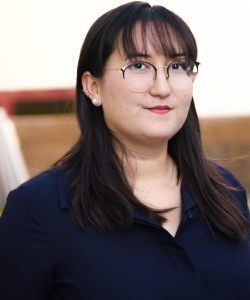
The range of potential agents can feel overwhelming to someone just starting out; a senior agent at the Transatlantic Agency shares her tips for connecting with someone who will stand by your work with commitment and thoughtfulness.

Artificial intelligence has irrevocably changed the paradigm of publishing. A journalist and editor speaks to agents about their thoughts on AI in a professional context, raising questions about contracts, rights, and the nature of art.

It’s a stranger time than ever to exist online. An experienced agent at Frances Goldin advises anxious writers to focus on craft and not let cultivating an online following get in the way of writing the strongest manuscript possible.

Writing contests that accept excerpts as short-form prose can help you keep up the momentum during the long journey to book publication. Contest winners and other experts share what it takes to create an attention-grabbing excerpt.

Curating and sequencing your poems with intention can positively affect the outcome of your submission. Contest organizers and judges offer four guiding points as you assemble your poetry packet.

When your work is being judged with all identifying information removed, an artist statement enables you to share who you are as a writer, your motivation, and your influences—creating a map from your now to a dreamed-of future.

This summer’s notable opportunities celebrate new talent, amplify marginalized voices, and push boundaries. Our editors take you behind the scenes to see how these contests are run, who they serve, and why they do what they do.

Drawing strength from traditions of moving across the land, a poet describes the joy and presence of mind that driving brings. Without the constant pull of screens, the road opens up an ideal space for creation.
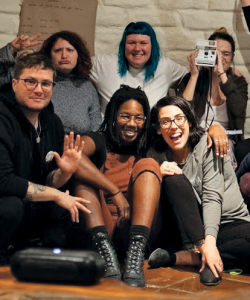
Gatherings like the Heart of It are part of a boom in writer-run retreats and workshops that serve as homegrown alternatives to established retreats, addressing a need for kinship, in-person community, and mentorship.
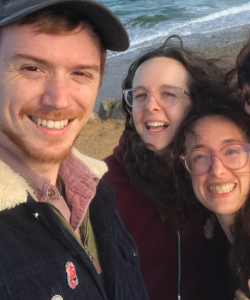
Tired of waiting for an acceptance? The ingredients for a magical retreat are readily available to all of us outside the strictures of a space someone else is hosting—and at the place, time, and budget of our choosing.

Residency programs at the homes of famous writers offer both the luxury of space and time to write and deep immersion into a literary hero’s everyday world, often providing newfound clarity and insight into ongoing work.

Taking inspiration from a creature of the summer, a seasoned writer suggests a few approaches to stimulate, refresh, and gather your thoughts for the next stage of writing and spark your imagination with play.

Ten debut poets who published in 2024 generously share the inspiration, advice, and writers block remedies that have sustained them through their literary journeys.
Writing and revising often seem to hinge on bringing new possibilities into focus. A poet considers the camera obscura as a metaphor for how an inversion of the light can transform and attune us to the moment.

When it seems impossible to find a way into writing, a robust community can be a beam of light in the darkness. The author of Ghost Hour describes the ways that a new writers group helped rekindle and guide her creative practice.
What does it mean to truly let loose as a writer? The author of I’m Not Hungry but I Could Eat urges us to lean into the fire and pressure head-on, to let everything out on the page and offer it up to the world.

Since 2005, Poets & Writers Magazine has highlighted emerging poets in an annual feature on first poetry books. In celebration, we gathered a list of the 222 poets and their debut collections that have graced our pages.