




Writing the Self: Some Thoughts on Words and Woe
A writer recalls his family’s history of depression as well as his own, and explores how writing through the darkest periods can serve as inspiration.
Tags:
Jump to navigation Skip to content
Articles from Poet & Writers Magazine include material from the print edition plus exclusive online-only material.
A writer recalls his family’s history of depression as well as his own, and explores how writing through the darkest periods can serve as inspiration.

Editor Rob Spillman talks Tin House—the magazine, the books, the summer workshop—and the pleasures, perils, and surprises of independent publishing.
The next generation of literary journals—including these nine new publications, all founded within the past two years—is bringing new voices and editorial visions to a traditional form.

The editor of the Georgia Review calls to retire a long-used publishing term, contending that unsolicited submissions are so much more than just “slush.”
A publishing-industry veteran who has worked as an agent, writer, and editor explores how her various experiences have helped her make decisions about both her own career and that of other writers.
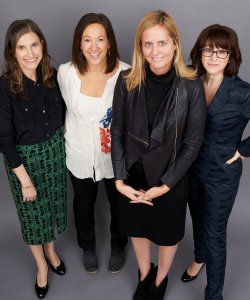
Four veteran agents talk about the business of books, the secret to a good pitch, and what authors should do in the lead-up to publication.
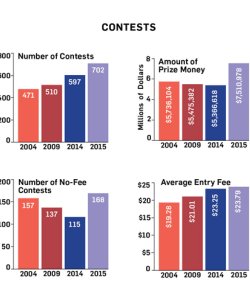
As part of a continuing series, we offer a breakdown of the numbers behind our Grants & Awards listings, highlighting the total amount of prize money given each year, the average cost of entry, types of sponsoring organizations, and more.
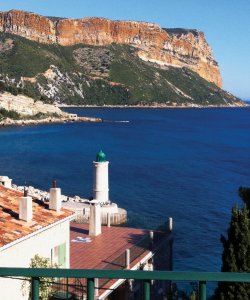
With some help from Virginia Woolf, an author and Bread Loaf Camargo fellow discusses the complicated decision to leave her family for a month in order to attend a retreat in Cassis, France, and the necessity of finding one’s own space to create.

Our eleventh annual Debut Poets roundup highlights ten of the most exciting and inspiring first books of poetry published in 2015.
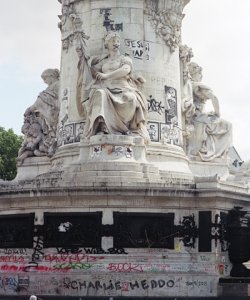
In the wake of the Charlie Hebdo massacre, a French scholar and literary translator discusses the need for translators to be well versed in intersectional knowledge of culture and history.

A young translator recalls attending the 2014 American Literary Translators Association conference, and her discovery of how deeply personal the craft of translation can be.
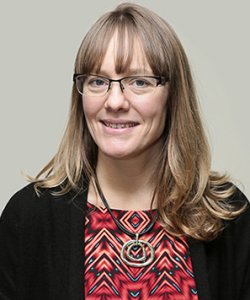
An American expat details her experience as a translator of Bulgarian literature.

Five editors of independent presses specializing in translation discuss how they find new work from around the world, the challenges they face as publishers, and the future of literary translation.
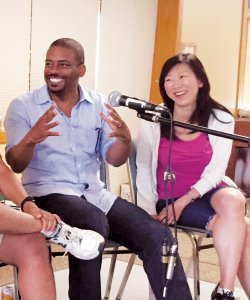
Warren Wilson College’s low-residency MFA program is taking strides to address questions of diversity, having started a conversation among faculty and students about the intersection of race, culture, and craft in the MFA landscape.
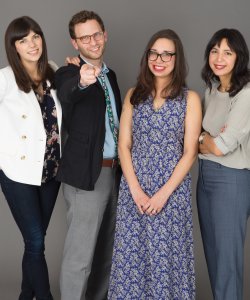
Four young literary agents meet for an evening of food, drink, and conversation about how they find new authors, what they need to see in a query letter, and the common mistakes writers should avoid.
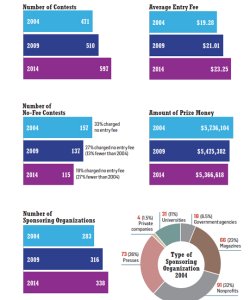
A breakdown of the numbers behind our Grants & Awards section, including the total amount of prize money given each year, the cost of entry, and how writing contests have changed over the past ten years.

Melissa Febos, Jay Baron Nicorvo, and nine other authors share their stories of the major turning points they experienced.
In our tenth annual look at debut poets, we’ve asked the more than one hundred poets previously included in this feature to nominate their favorite debut collections of 2014. From that longlist of outstanding work, we’ve selected ten poets to feature here, who share their inspirations and influences, how their books began, and advice to those hoping to get their own books out into the world.
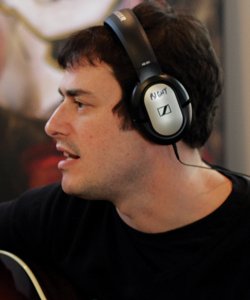
A songwriter responds to literature—such as stories by Jonathan Lethem and George Saunders—with music, carrying the creative conversation across art forms.
A writer learns that letting go of the need for perfectionism and allowing the creative impulse to guide the mind fluidly and freely can revitalize the practice of writing.

Graywolf Press executive editor Jeff Shotts discusses the power of patience in publishing, editing as an act of empathy, and why it’s an exciting time to be a poet.
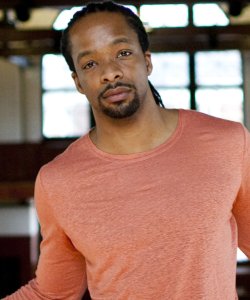
Eleven small-press authors and their publishing partners discuss the independent approach—and all the passion, commitment, and love that comes with it—to bringing books into the world.
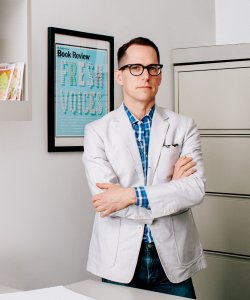
PJ Mark, whose clients include Samantha Hunt, Wayne Koestenbaum, Dinaw Mengestu, Maggie Nelson, Ed Park, and Josh Weil, talks about what writers can do to improve their chances of success, why fiction is harder to sell than nonfiction, and the importance of trusting your heart.
After years of personal struggles including drug abuse and run-ins with the law, a poet meditates on the mentors who helped carry him toward the creative life.
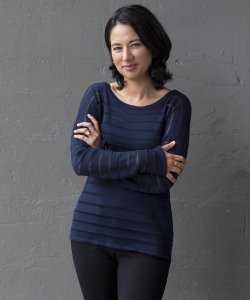
Self-published author Jennifer Ciotta, literary agent Kristin Nelson, and independent publishing entrepreneur Richard Nash discuss the creative opportunities, challenges, and rewards of self-publishing.