




MacDowell Tests Virtual Residencies

For the first time in its 113-year history, MacDowell launches a virtual residency in an effort to build artistic community and fellowship during a time of social distancing.
Tags:
Jump to navigation Skip to content
Articles from Poet & Writers Magazine include material from the print edition plus exclusive online-only material.
For the first time in its 113-year history, MacDowell launches a virtual residency in an effort to build artistic community and fellowship during a time of social distancing.

Sidney Clifton, the eldest daughter of poet Lucille Clifton, has purchased her childhood home in Baltimore with plans to recreate the space as a haven for emerging and established artists.
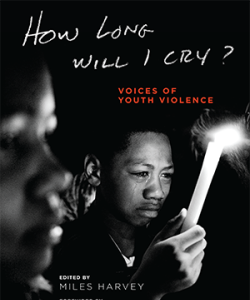
Big Shoulders Books publishes writing from and about Chicagoans whose stories are overlooked—and then gives its books away for free.

The Milwaukee press releases twelve books of poetry, fiction, drama, art, and comics a year and focuses on publishing writers without MFAs or literary connections.
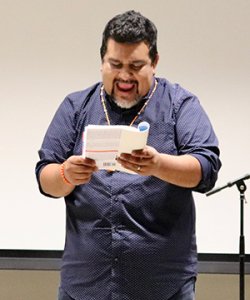
A growing number of creative writing graduate programs in the United States offer dedicated spaces for students to learn and write in Spanish.
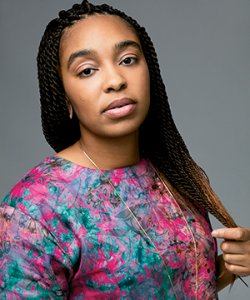
The poet and essayist on her approach to publishing in literary journals and her path to writing her debut poetry collection, Un-American.

The owner of the recently opened Harriett’s Bookshop, which specializes in the work of Black and women authors, talks about the arts as a tool for social change and her vision for the store.

Four new anthologies, including We Want It All: An Anthology of Radical Trans Poetics and Love After the End: An Anthology of Two-Spirit and Indigiqueer Speculative Fiction.

The first lines of twelve noteworthy books, including Just Us: An American Conversation by Claudia Rankine and Transcendent Kingdom by Yaa Gyasi.
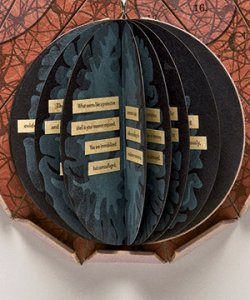
Using a unique fabrication process, Julie Chen constructs beautiful and inventive artists’ books that explore metaphysical ideas.
The #PublishingPaidMe hashtag highlights anti-Black bias within the publishing industry and opens up the conversation about how editors determine book advances.
With the spread of COVID-19, organizers of literary events across the United States have devised creative ways to move programming online and build community among writers.
The press publishes immersive, imaginative chapbooks of poetry, prose, and art, which are printed and folded in the style of a map.
A campaign started by James Patterson has raised more than $1.2 million to help indie bookstores struggling to stay afloat during the pandemic.

Writers have been cooking up a bright array of foods, from strawberry chiffon cake to Sichuan chili fish, while heeding orders to stay at home during the pandemic.
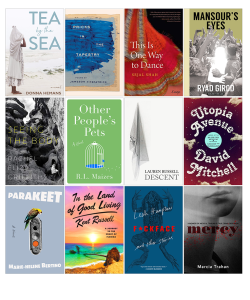
The first lines of a dozen noteworthy books including Seeing the Body by Rachel Eliza Griffiths and Parakeet by Marie-Helene Bertino.

Poet Keetje Kuipers, the new editor in chief of Poetry Northwest, shares her plans for bringing a sense of play and risk to the Pacific Northwest’s oldest literary magazine.

The author of the essay collection A History of My Brief Body and the poetry collection This Wound Is a World on five journals that have published his poems and essays.

The Book Traces project at the University of Virginia documents annotations, marks, and objects found in library books, creating a record of readers’ engagement with the book as a physical object.
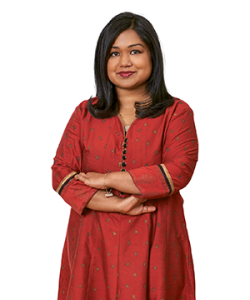
Jafreen Uddin, the new executive director of the Asian American Writers’ Workshop, discusses her vision for the organization, which has been the de facto home for Asian American writers for nearly thirty years.

The New York City press annually publishes six to eight books of fiction and nonfiction “by feminists, for everyone.”

Siglio Press has released a book on poet Bernadette Mayer’s project Memory, in which she wrote and took photos every day during July 1971, creating a lyrical testament to a moment in a life, intimately conjured yet still inevitably out of reach.

The author on the journals that published stories from her collection How to Pronounce Knife.
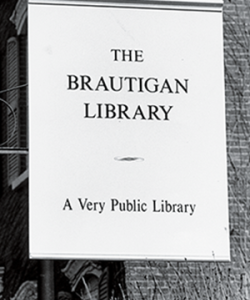
Inspired by a 1971 novel by Richard Brautigan, the Brautigan Library collects unpublished books, creating a fantastic archive of stories unaffected by publishing trends—and a window into the minds and dreams of its contributing writers.

The Anderson Center in Minnesota offers the nation’s only residency designed to give Deaf artists time to work alongside one another.