



What My Mother and I Don’t Talk About: An Interview With Michele Filgate
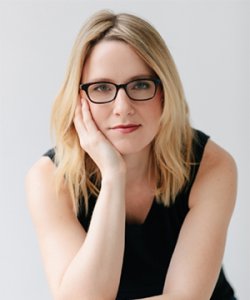
The editor of What My Mother and I Don’t Talk About discusses the mother wound, the importance of writing our bodies, and editing some of her favorite writers.
Jump to navigation Skip to content
Articles from Poet & Writers Magazine include material from the print edition plus exclusive online-only material.
The editor of What My Mother and I Don’t Talk About discusses the mother wound, the importance of writing our bodies, and editing some of her favorite writers.

Adrian Matejka, Robin Coste Lewis, and Paisley Rekdal are among the thirteen recipients of the inaugural Poets Laureate Fellowships.

“I think writing should be connected to the constant ever-evolving work of discovering, (re)imagining, and (re)claiming one’s own selfhood.” —Alison C. Rollins, author of Library of Small Catastrophes

“Look for beauty and grace even in the challenging material, whenever possible.” —Kenji C. Liu, author of Monsters I Have Been

Richard Blanco’s new book, How to Love a Country, questions the very makeup of the American narrative, and ultimately asks what it means to be American.
Poets House in New York City launches an interactive digital exhibition of their chapbook collection.
The Kansas City, Missouri–based independent press approaches its fiftieth anniversary with plans to launch a chapbook competition in 2020.
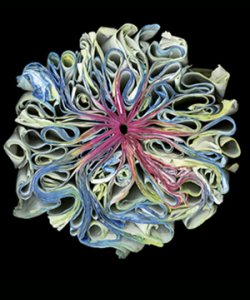
A Houston artist turns outdated manuals, phone books, and encyclopedias into visually striking sculptures.

The online storytelling community expands to print with the launch of Wattpad Books.

A fiction writer discusses five journals that published work from her debut story collection, Sabrina & Corina.

A roundup of four new anthologies, including the third volume of the BreakBeat Poets series, Halal If You Hear Me, edited by Fatimah Asghar and Safia Elhillo.
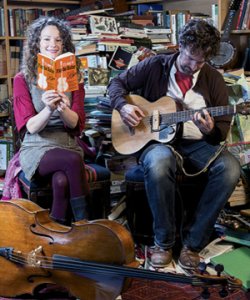
A pair of English singer-songwriters perform literature-inspired music in bookstores across the United States.

Poet and memoirist Meghan O’Rourke, the incoming editor of the Yale Review, discusses her approach to editing, her plans for the journal, and the trends she’s most excited about.
A historical novelist discusses her experiences in self-publishing; an editor and publicist weigh in.
A literary agent answers questions from writers about genre, age, costs, and client lists.

The first lines of a dozen noteworthy books, including The Tradition by Jericho Brown and Orange World by Karen Russell.
Funded by novelist Charles Frazier, the Cold Mountain series will highlight new literary fiction from the South.

“If what you’re writing begins to scare you, don’t stop—it’s about to get real good.” —Gala Mukomolova, author of Without Protection
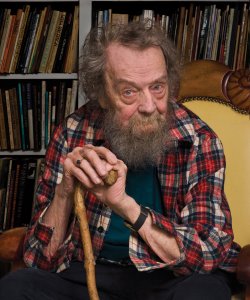
After the death of Donald Hall, on June 23, 2018, a poet says goodbye to his mentor and friend.

The search is underway for the next executive director of the Cave Canem Foundation.
A best-selling author offers some light-hearted tips for authors crafting those obligatory pages at the front and back of their books.

“There’s a lot of mystery in my writing process, and I have the suspicion that I’m doing all the steps out of order.” —Emily Skaja, author of Brute

“My best work, regardless of genre, often happens in one big burst.” —Namwali Serpell
“It’d be nice if the American literary community’s obsession with signal-boosting the optics of diversity were solidified into a tangible, fiscally remunerative reality for minority writers.” —Bryan Washington
“I’d love the community of contemporary writers to read each other with the freedom and rigor (vigor) we bring to hearing the music we love the most.” —Ed Pavlić