



How the Light Gets In: The Moon

When “normal” fails, embrace the strangeness and possibility the night can provide. A renowned fiction writer recounts the uncommon delight of inviting others to join her in writing under the moon.
Tags:
Jump to navigation Skip to content
Articles from Poet & Writers Magazine include material from the print edition plus exclusive online-only material.
When “normal” fails, embrace the strangeness and possibility the night can provide. A renowned fiction writer recounts the uncommon delight of inviting others to join her in writing under the moon.
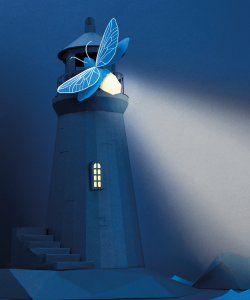
When it seems impossible to find a way into writing, a robust community can be a beam of light in the darkness. The author of Ghost Hour describes the ways that a new writers group helped rekindle and guide her creative practice.

Continuing its legacy of helping industry professionals discover untapped talent, the Black List has added fiction to the roster of manuscripts shared through its site—a move that could create a new pathway to publication for novelists.

Ten debut poets who published in 2024 generously share the inspiration, advice, and writers block remedies that have sustained them through their literary journeys.
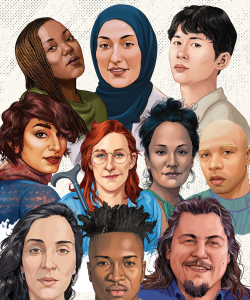
Since 2005, Poets & Writers Magazine has highlighted emerging poets in an annual feature on first poetry books. In celebration, we gathered a list of the 222 poets and their debut collections that have graced our pages.

A century-long art project that pledges a grove of spruces in Norway to print one hundred sealed manuscripts, the Future Library is a source of optimism in the looming climate crisis that we can still build a future full of stories.
The author of Border Less describes how audience responses to her debut novel’s play with form led her to wonder about the greater implications of the Western fixation on realism as the accepted novel style.

Workshop isn’t about fixing, but building together—instead of giving prescriptive suggestions on a piece, a widely published poet recommends offering specific notes as an invitation to explore further possibilities.
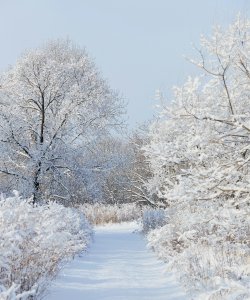
Write a poem about the pains and pleasures of cold weather, a short story that brings together an unexpected series of events, or an essay that contemplates companionship.

The new executive director of Words Without Borders, Elisabeth Jaquette, speaks on translation as an art and a profession as well as her goals to spotlight new global voices and help set best practices in the field.
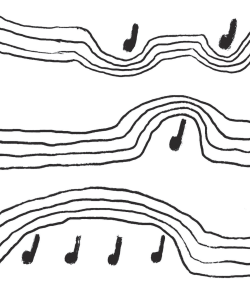
Christine Sun Kim’s art practice uniquely melds different mediums with ASL to address her experience as a Deaf individual in a hearing-centric world, prompting viewers to reflect on accessibility and ableist exclusion.

The author of The Dreamcatcher in the Wry spotlights journals and platforms that have published her work and appreciate her wry sense of humor, including the Belladonna and Hunger Mountain.

Publishing around half a dozen novellas, poetry collections, and graphic novels yearly, Driftwood Press resists narrowing itself to a specific niche; instead, the press is defined by its diversity in stories, styles, and perspectives.
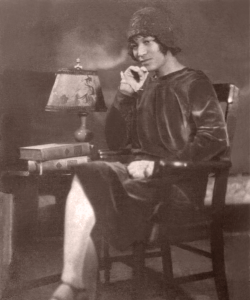
More than sixty years after her passing, Zora Neale Hurston’s newly published novel, The Life of Herod the Great, reimagines archival materials and prompts reflection on the legacies of historical figures and literary objects.
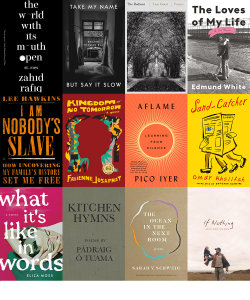
The first lines of a dozen noteworthy books, including The World With Its Mouth Open by Zahid Rafiq and What It’s Like in Words by Eliza Moss.

Every poetry collection has its “maybes” and “almosts,” the poems that didn’t make it to publication. A debut poet considers the poems that haunt a book from the outside.

“I studied with Gordon Lish and he once said: ‘Never explain, never complain.’” —Lily Tuck, author of The Rest Is Memory

The author of Mothertrucker: Finding Joy on the Loneliest Road in America (Little A, 2021) offers advice on how to approach editing the endings of essays.

“All good poems are love poems.” —Bruce Bond, author of The Dove of the Morning News

The author of Mothertrucker: Finding Joy on the Loneliest Road in America (Little A, 2021) offers advice on how to approach editing the beginnings of books and essays.
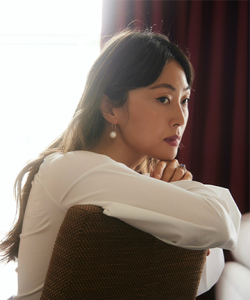
“Describe your inner vision clearly so that the reader can see exactly what you see.” —Juhea Kim, author of City of Night Birds
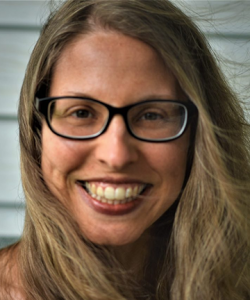
“I found the creation of cohesion challenging; essays are disparate things, yet the book needs to make a whole.”—Jessie van Eerden, author of Yoke and Feather

The author of Amphibian (Ig Publishing, October 2024) considers what films can teach us about writing adolescent characters.
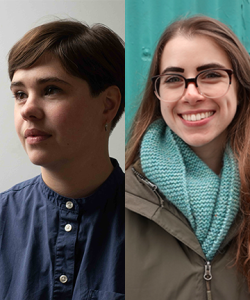
This week’s installment of Ten Questions features Brynja Hjálmsdóttir and Rachel Britton, the author and translator of A Woman Looks Over Her Shoulder / Kona lítur við.

The author of Amphibian (Ig Publishing, October 2024) applies lessons in magical realism and metaphor from film to fiction.