




Ukrainian Children Turn to Poetry

The Odesa Poetry Studio is a free program that creates space for children to gather, write poems, and share their work with one another, validating their voices and feelings as they live through ongoing war.
Tags:
Jump to navigation Skip to content
The Odesa Poetry Studio is a free program that creates space for children to gather, write poems, and share their work with one another, validating their voices and feelings as they live through ongoing war.

Founded seventeen years ago to support poetry from the Pacific Northwest, Airlie Press is a nonprofit publisher guided by a unique rotating editorial board of poets from Oregon, Washington, and Idaho.
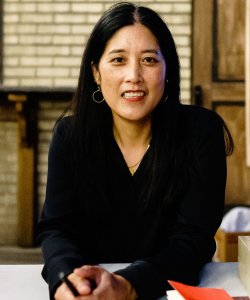
The author of With My Back to the World talks about the importance of staying true to who we are while allowing the writing to tell us where to go, and how she views her work as a mapping of her changing mind and perception.
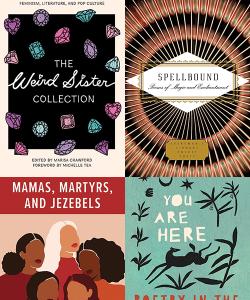
An introduction to four new anthologies, including The Weird Sister Collection: Writing at the Intersections of Feminism, Literature, and Pop Culture and You Are Here: Poetry in the Natural World.
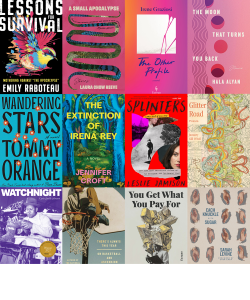
The first lines of a dozen noteworthy books, including There’s Always This Year: On Basketball and Ascension by Hanif Abdurraqib and Glitter Road by January Gill O’Neil.
No longer limited to static text on a page, poets are composing verse in the unique medium of an NFT, opening new creative, collaborative, and financial possibilities for work that defies categorization.

The first lines of a dozen noteworthy books, including You Bury the Birds in My Pelvis by Kelly Weber and Irregular Heartbeats at the Park West by Russell Brakefield.
The translator of Tomasz Różycki’s To the Letter discusses the journals where she first placed poems from the book—including Cagibi and Guernica—and the unique process of publishing translated work.
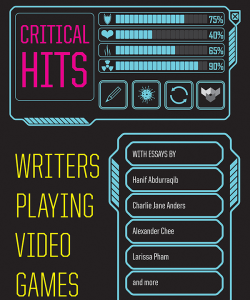
An introduction to three new anthologies, including Another Last Call: Poems on Addiction and Deliverance and Black Punk Now: Fiction, Nonfiction, and Comics.
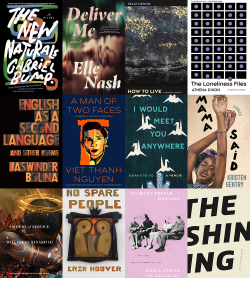
The first lines of a dozen noteworthy books, including Orders of Service: A Fugue by Willie Lee Kinard III and I Would Meet You Anywhere by Susan Kiyo Ito.
