




Ten Questions for Andrés Cerpa

“Look up from your own desperation and walk outside. No matter the weather, be outdoors each day. It will help you.” —Andrés Cerpa, author of The Palace
Tags:
Jump to navigation Skip to content
“Look up from your own desperation and walk outside. No matter the weather, be outdoors each day. It will help you.” —Andrés Cerpa, author of The Palace

“Advice for poets should be poems.” —Bianca Stone, author of The Near and Distant World
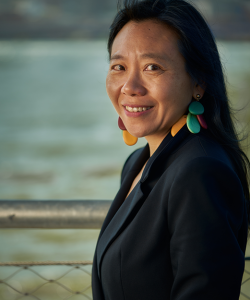
“Many unknown things are possible, many unexpected turns of events will arise.” —Xiaolu Guo, author of Call Me Ishmaelle

Ten authors answer the tenth question in our Ten Questions series: What’s the best piece of writing advice you’ve ever received?

The author of Voice of the Fish: A Lyric Essay (Graywolf Press, 2022) reflects on the ancient origins of the essay form.

This week’s installment of Ten Questions features Djaimilia Pereira de Almeida and Alison Entrekin, the author and the translator of Three Stories of Forgetting.

The author of Ocean of Clouds (Knopf, 2025) reflects on the practice of poetry as one of both composition and listening.

“It should be possible to both write good and live good. Go see your friends. Be with your family. Taste something new. Fall in love with the world again and again while you still can.” —Joshua Wheeler, author of The High Heaven

“I wish all writers the audiences they desire and the acclaim they deserve.” —Ashley M. Jones, author of Lullaby for the Grieving

“When an impediment arrives, I try writing about it. This helps me remain patient.” —Jeannie Vanasco, author of A Silent Treatment
