




Ten Questions for Siew Hii

“Being gentle may not make it better, but it rarely makes it worse.” —Siew Hii, author of Entered Some Aliens
Tags:
Jump to navigation Skip to content
“Being gentle may not make it better, but it rarely makes it worse.” —Siew Hii, author of Entered Some Aliens

“Don’t rush the writing, and enjoy it for itself.” —Tara Menon, author of Under Water
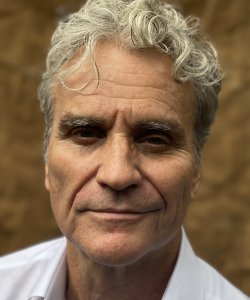
“When I work in coffee shops, people actually remark on the chaos of my desktop, wondering how I can get any work done.” —Tom Junod, author of In the Days of My Youth I Was Told What It Means to Be a Man
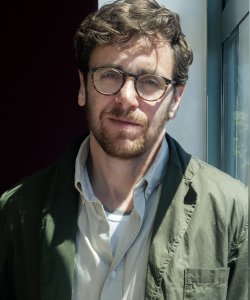
“I am often wildly optimistic about my productivity in the mornings. This feeling lasts no later than noon.” —Jordy Rosenberg, author of Night Night Fawn

“I think that losing the joy of process causes writer’s block.” —Tayari Jones, author of Kin

The author of Clutch (Tin House, February 2026) reflects on adjusting rising and falling action across time in fiction.

“Take your time.” —D. S. Waldman, author of Atria

The author of Clutch (Tin House, February 2026) reflects on poetic time, dialogue, and writing effective scenes.
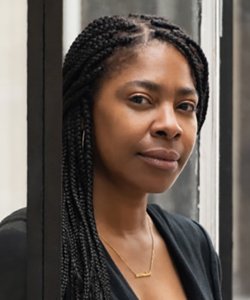
“Look around, have courage, and learn to say yes to things you are unfamiliar with from time to time.” —April Reynolds, author of The Shape of Dreams

“One day, all that sacrifice will have been worth it.” —Alice Evelyn Yang, author of A Beast Slinks Towards Beijing
