




End of Empire by Marissa Davis
Marissa Davis reads “Ecclesiastes: New Madrid Fault” from her debut poetry collection, End of Empire, published by Penguin Books in July 2025.
Jump to navigation Skip to content
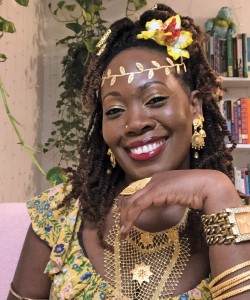
The author of How to be Unmothered: A Trinidadian Memoir spotlights magazines and journals, such as Forge Literary Magazine and Kweli, that authentically welcomed excerpts of her work.

One poet’s personal reading goal gone viral, the Sealey Challenge invites participants to read a book of poetry every day in August and to share their reading lists publicly, offering sustained immersion in poetry and its community.
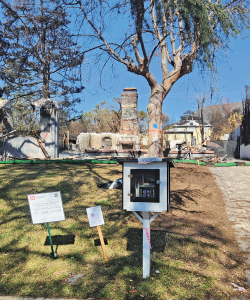
In the wake of the California wildfires, literary community members grieve the loss of public spaces and personal archives, and reflect on the creative relief efforts that offer hope.

For decades, the International Writing Program in Iowa City facilitated transformative connections for its resident writers—but the loss of funding worth nearly a million dollars challenges staff and students to find ways to keep going.
The range of potential agents can feel overwhelming to someone just starting out; a senior agent at the Transatlantic Agency shares her tips for connecting with someone who will stand by your work with commitment and thoughtfulness.

Lauren Grodstein, David Heska Wanbli Weiden, Megan Kamalei Kakimoto, Honorée Fanonne Jeffers, and Jonathan Escoffery introduce five debut fiction authors: Sarah Yahm, Jon Hickey, Carrie R. Moore, Aaron John Curtis, and Jemimah Wei.
At this Dominican University of California event, Isabel Allende talks about her latest novel, My Name Is Emilia del Valle (Ballantine Books, 2025), the importance of women characters who don’t compromise, and the class structure of Chile which informed her writing in a conversation with Matthew Félix.
To write their latest book, People’s Choice Literature: The Most Wanted and Unwanted Novels (Columbia University Press, 2025), Tom Comitta used data compiled from a specially designed national public opinion poll on literary preference and composed two novels: a formulaic, fast-paced thriller and an experimental epistolary sci-fi romance with elderly aristocratic tennis players as protagonists. Responses to the poll included preferences and aversions to attributes such as characters’ identities, genre, verb tense, setting, and point of view. Taking a cue from this project, jot down a brief list of what you would guess to be the most and least desired attributes of poetry, including rhyme, length, diction, and imagery. Write a “Most Wanted Poem” and “Most Unwanted Poem” based on your list. How do your own idiosyncrasies and thoughts around literary taste infiltrate each piece?

