




Literary MagNet: Shze-Hui Tjoa

The author of The Story Game, a debut memoir, introduces some of the journals that helped her explore the interplay between memory and storytelling, including So to Speak and Colorado Review.
Tags:
Jump to navigation Skip to content
The author of The Story Game, a debut memoir, introduces some of the journals that helped her explore the interplay between memory and storytelling, including So to Speak and Colorado Review.

The executive director of the Loft Literary Center, a literary arts nonprofit in Minneapolis, celebrates the organization’s fifty years of connecting authors with audiences and reflects on future plans.

From her home just outside of Fairbanks proper, a poet subverts mainstream Alaskan imagery to conjure the reality of her writing life, which includes a local waste transfer site, muddy shoulder seasons, and slow internet.
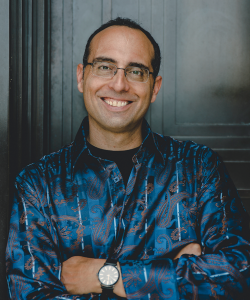
A poet explores the struggle to balance his roles as writer, educator, and activist during the war in Gaza and the refusal of silence during a conflict that has killed tens of thousands of civilians.

The first Latinx president and executive director of the Academy of American Poets reflects on his start at the nonprofit and his vision for the organization’s future.
As AI makes it easier for people to generate text, literary editors are wrestling with how to weed out submissions by authors trying to pass off AI work as their own from those that use the technology in a more ethical way.

The author of Self-Mythology, a debut poetry collection, introduces some of the journals that offered a home for her work, including AGNI and Poet Lore.
The new Inside Literary Prize represents an opportunity to connect and honor the perspectives of incarcerated individuals by inviting hundreds of such readers to discuss and select a winner from a slate of National Book Award finalists.
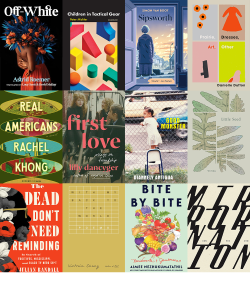
The first lines of a dozen noteworthy books, including Bite by Bite: Nourishments and Jamborees by Aimee Nezhukumatathil and Good Monster by Diannely Antigua.

One of the greatest offenses a writer can commit is to steal others’ work and present it as their own. Members of the literary community discuss the negative impact of a serial plagiarist and potential protections against further theft.
