




Page One: Where New and Noteworthy Books Begin
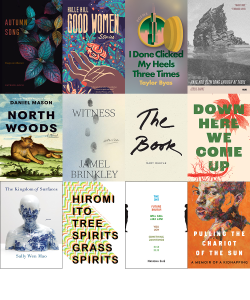
The first lines of a dozen noteworthy books, including Down Here We Come Up by Sara Johnson Allen and Good Women by Halle Hill.
Tags:
Jump to navigation Skip to content
The first lines of a dozen noteworthy books, including Down Here We Come Up by Sara Johnson Allen and Good Women by Halle Hill.
Led by a board of distinguished authors in collaboration with three nonprofit organizations, a new yearlong fellowship supporting system-impacted writers promises to provide resources and funding to share their stories.
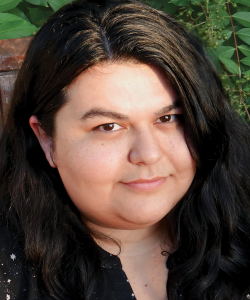
Essays by debut authors Eirinie Carson (The Dead Are Gods), Leah Myers (Thinning Blood), Andrew Leland (The Country of the Blind), Jen Soriano (Nervous), and Jami Nakamura Lin (The Night Parade).
In defiance of Amazon’s dominance in the bookselling market, Bookshop has launched an imprint that will release its inaugural title this fall. Bookshop will also introduce its own e-reading platform, supporting independent bookstores.
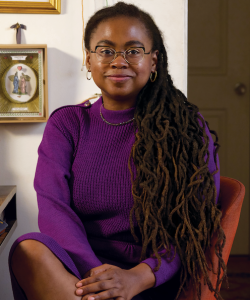
Random House executive editor and vice president Jamia Wilson talks about her passion for publishing as a craft, how being a writer informs her work as an editor, and the importance of keeping an expansive interest in books.

The author of Let’s Go, Let’s Go, Let’s Go introduces five journals, including Shenandoah and Hyphen, where she found understanding and acceptance for her stories.
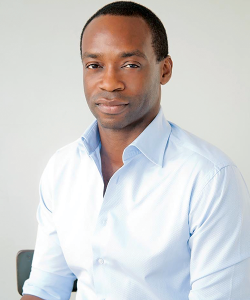
The new editor of the Princeton Series of Contemporary Poets discusses the power of the written word, the importance of university presses, and his plans to leave no manuscript unturned.
Dedicated to finding the voices and stories audiences most need to hear, Book*hug Press reads beyond borders as a Canadian press with international influences, representationally and aesthetically.
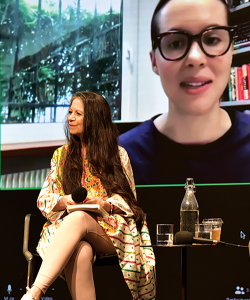
A collaboration between three literary organizations, the International Library is a new initiative presenting live conversations about literature in translation while connecting transnational audiences.
Recently, con artists have taken to impersonating real editors, agents, or filmmakers from reputable organizations to extort large payments from unsuspecting authors. Literary professionals share advice on spotting and reporting scams.
