2018 Maureen Egen Writers Exchange Winner in Fiction: Timeline
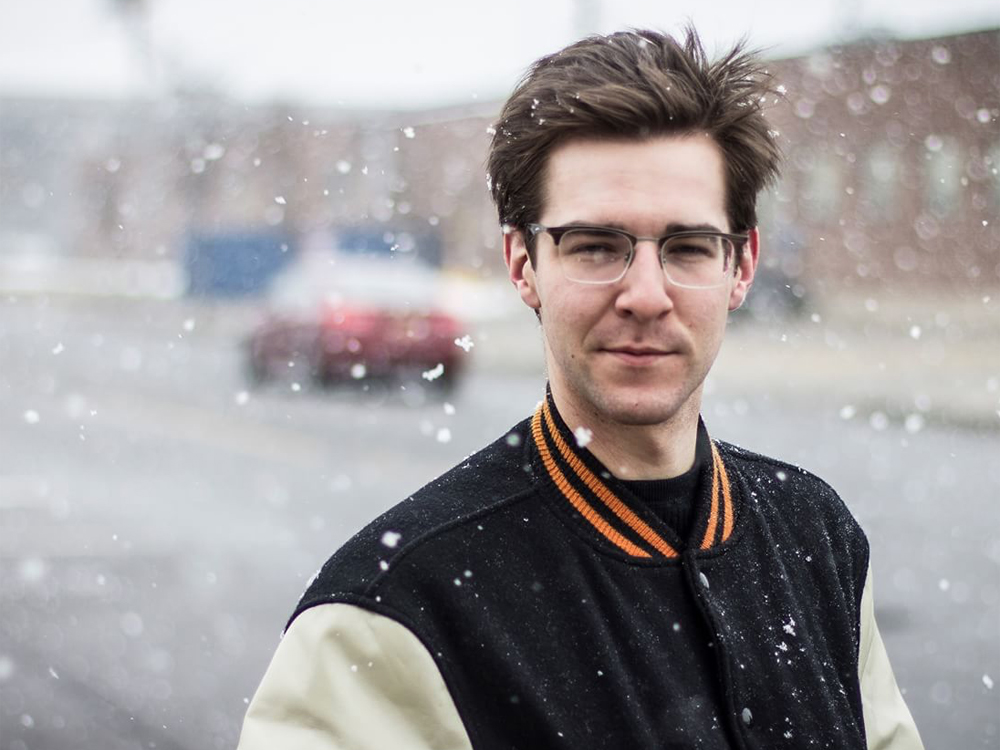
Joshua Idaszak is the winner of Poets & Writers’ 2018 Maureen Egen Writers Exchange Award (WEX) for fiction. His stories have appeared in Ploughshares, the Kenyon Review, TriQuarterly, and elsewhere. His fiction has won Boulevard magazine’s 2015 Short Fiction Contest for Emerging Writers, was a finalist for the 2015 Chicago Tribune Nelson Algren Award, and has been listed as distinguished by Best American Mystery Stories 2017. Idaszak received an MFA from the University of Arkansas, and has received support from the Fulbright Program and the Sewanee Writers’ Conference. He lives in Massachusetts and is at work on a story collection and a novel.
It was a misty, cool morning in May when I heard from Bonnie Rose Marcus that I had won the 2018 Maureen Egen Writers Exchange Award for fiction. I had just emerged from two days on the Lost Coast Trail and was standing in a small beachside parking lot in Shelter Cove, California, a town made famous (to me, at least) by the opening of Denis Johnson’s novel Already Dead. I had just completed my MFA from the University of Arkansas after four years in Fayetteville, teaching, studying, and writing fiction. I was in the midst of determining what came next—for my writing, for my life—when I listened to Bonnie’s voicemail.
Manhattan is not Shelter Cove. In place of redwoods were skyscrapers, and we were ascending them. Bonnie, director of Readings & Workshops (East) and the Writers Exchange, was our fearless leader. She shepherded Anushah Jiwani, the winner for poetry, and me around Manhattan for four days of meetings with agents and editors and poets and publishers.
At Penguin, we met Lee Boudreaux and asked about editing Ben Fountain’s fiction. At Ecco, Megan Lynch talked about Deborah Eisenberg’s short story collection Your Duck Is My Duck, and how a book and its cover come together. Jonathan Galassi of FSG recalled his time studying poetry under Elizabeth Bishop and Robert Lowell. I had carried poet Charles Wright’s Negative Blue during my Lost Coast walk, and I was excited to hear that FSG would be publishing Oblivion Banjo, a compendium of his work, next spring. Cheryl Boyce-Taylor, this year’s poetry judge for WEX, helped us celebrate at a wonderful dinner with our families after our Sunday reading at McNally Jackson in Soho.
Writing is solitary work. The drafting and revision often happen in quiet rooms, often alone. It can feel, sometimes, like we’re plucking the strings of our very own oblivion banjo. It was a joy to step outside of that: to sit across from Brigid Hughes and hear about her work to create space and time for writers through the fellowships and residencies of A Public Space, to hear Emily Nemens speak about her plans for the Paris Review, or to discuss possibilities for invigorating public readings with Sarah Gambito.
The trip was a reminder (or rather a series of reminders) that there are so many of us engaged in this calling. That we love books, love reading, love watching people and thoughts rise in language. And ultimately, that our work is vital, and always ongoing.
The Maureen Egen Writers Exchange Award is generously supported by Maureen Egen, a member of the Poets & Writers Board of Directors.
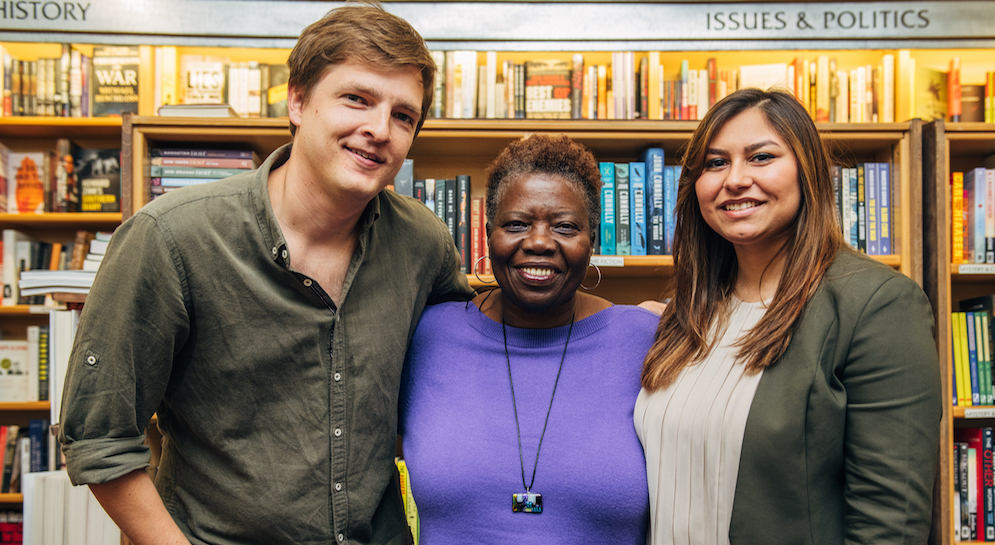
Photo: Joshua Idaszak, Cheryl Boyce-Taylor, and Anushah Jiwani (Credit: Christian Rodriguez). On September 27, author
 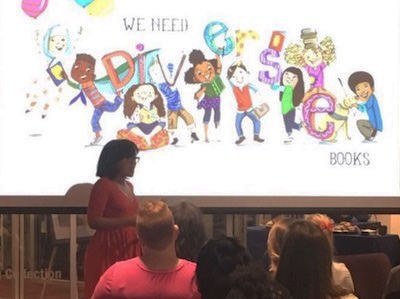 The evening talk attracted members of the community ranging from teenage fans to teachers and librarians, as well as local writers hoping for insight into the publishing industry.
 On October 27 I led a workshop at the Bureau of General Services–Queer Division (BGSQD), currently hosted by the Lesbian, Gay, Bisexual & Transgender Community Center in New York City. The workshop was organized by Sarah Sala, founder of the Office Hours poetry workshop, with support from Poets & Writers’ Readings & Workshops program. I haven’t led many workshops before, so this was an experiment of sorts. I called the craft class “The Image Is _____” and its focus, of course, was the image. A series of questions motivated this workshop: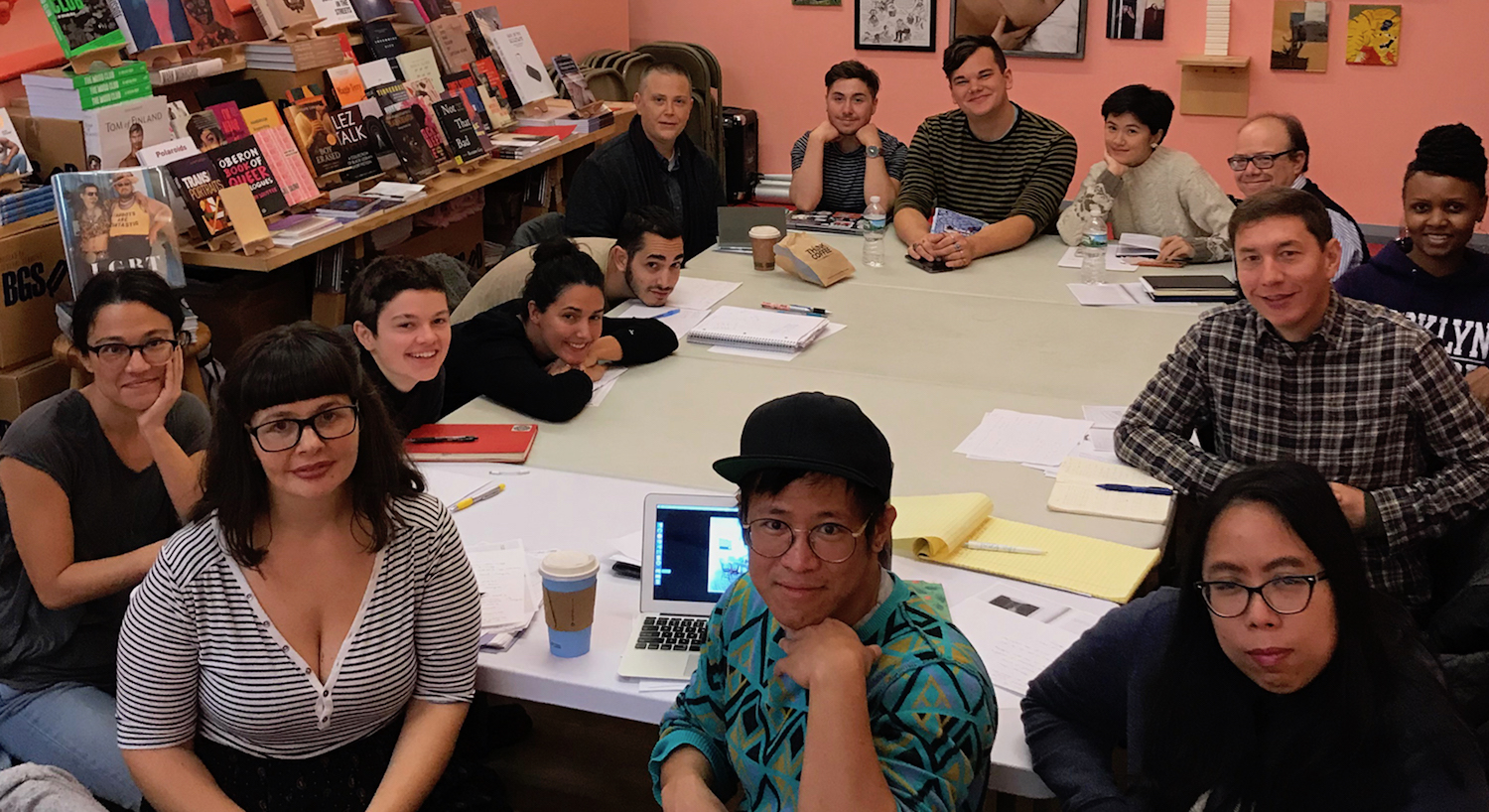
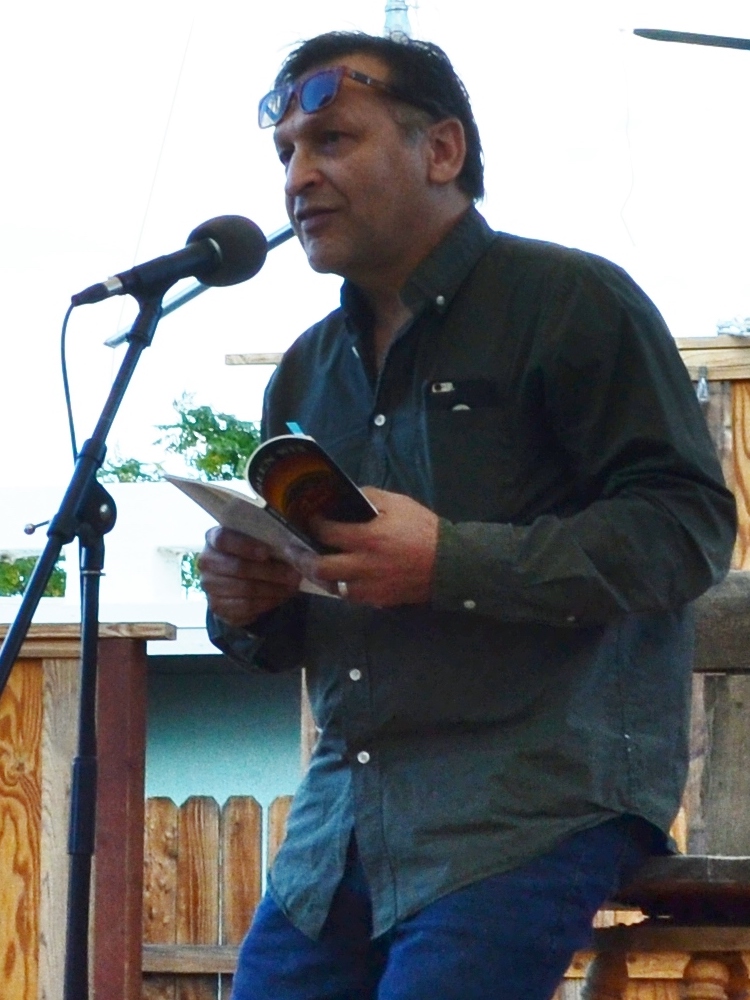 Each monthly issue of Cholla Needles is celebrated with an open reading and a featured poet. The readings take place outdoors in the beautiful desert of Joshua Tree, California, on the second Sunday of each month.
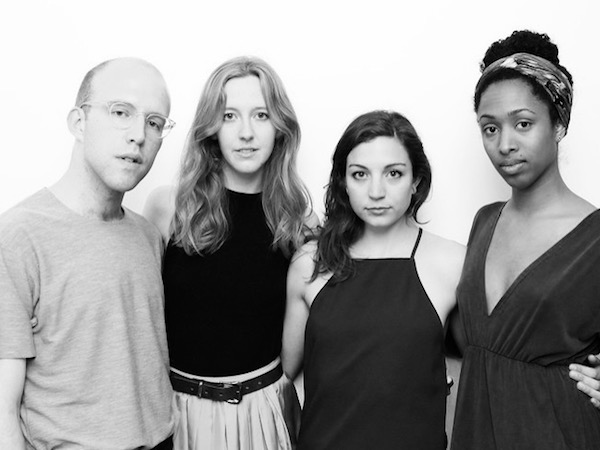 In early 2016, my friend Victoria Kornick and I wandered into an open house for a new coworking space in the Crown Heights neighborhood of Brooklyn, New York. We met the owner of Franklin Electric (now known as Work Heights), Sam Strauss-Malcolm, who expressed an interest in hosting free community events in the new space. We offered up the idea for a reading series, and in the following weeks, we kept in touch with Sam and got two other friends involved: Jordan Majewski and Jessica Modi. We all met while studying poetry as undergrads and had all ended up living in New York.
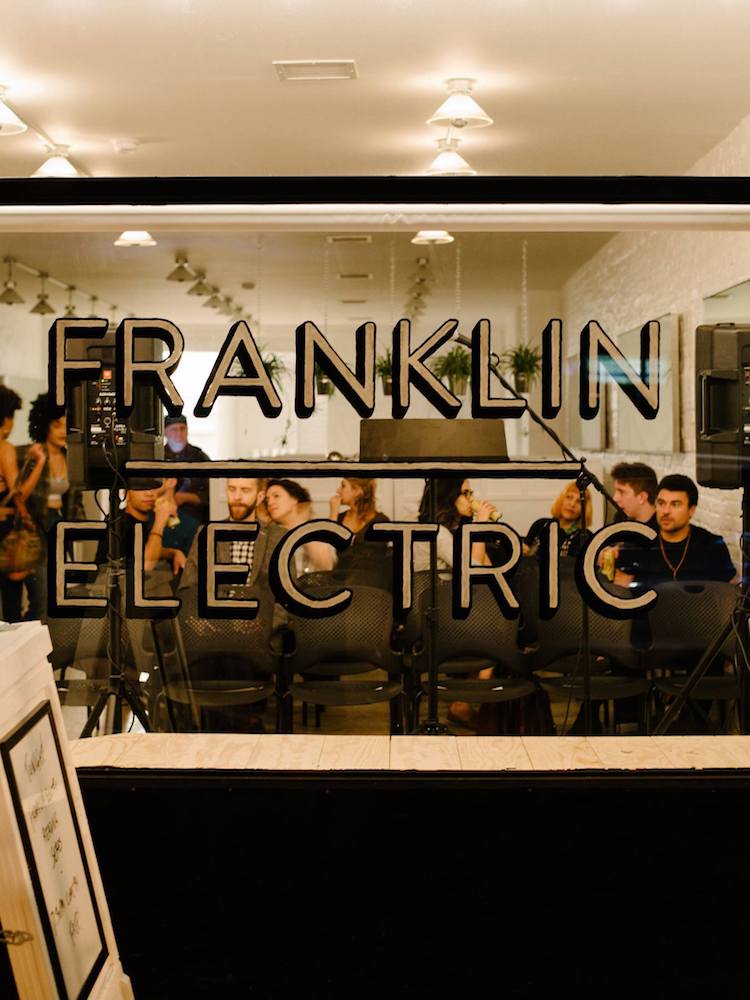 Memorable moments have included a choose-your-own-adventure nonfiction performance by Kristin Dombek and Stephanie Hopkins, an evening with readings from the entire staff of No Tokens Journal, and our two-year anniversary event last winter when we invited many previous readers back for quick, two-minute readings.
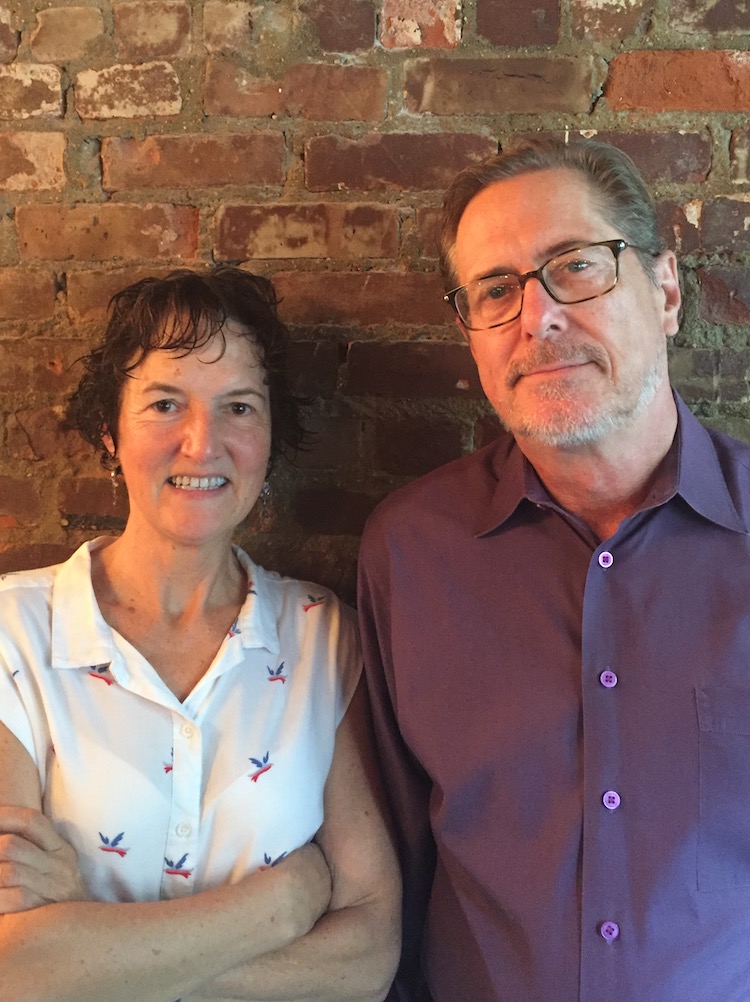 Bloom Readings is a series that takes place monthly, always on Sundays at 5:00 PM, in “The Lounge,” an elegant 1920s event space in the Hudson View Gardens apartment complex on 183rd Street and Pinehurst Avenue in New York City. As curators of Bloom, Sarah Van Arsdale and I invite writers of prose and poetry from Washington Heights and beyond to share their work.
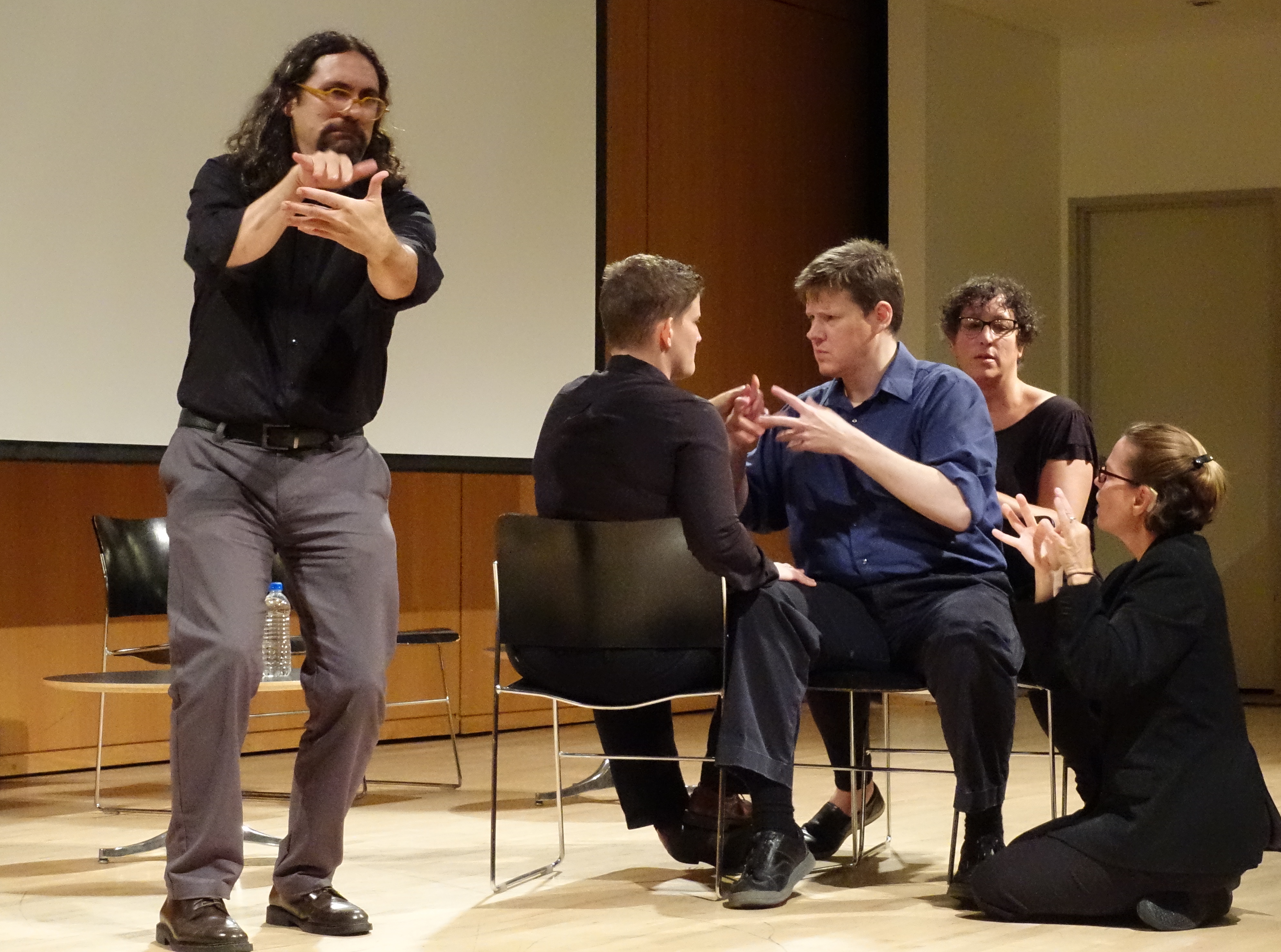 On September 13, scholars, authors, and poets came together for a workshop and performance in New York City that approached the question, “How can American Sign Language poetry be published?” In the afternoon workshop, this question was addressed through several angles, from interactive digital publications and the preservation of video “texts” to pop-up books, flip books, and comic strips.
 The Healing by Writing workshops and reading held this past June were attended by Sonoma residents who experienced the October 2017 Northern California wildfires. Most of the participants did not see themselves as writers, but as residents of the county seeking healing from the trauma of the fires.
 Every day, from the early 1900s to the last quarter of the twentieth century, the hundred-foot-tall concrete grain silos along Buffalo, New York’s namesake river and Lake Erie thrummed and hushed with rushing grain. At the city’s peak, thirty-eight of these towering elevators held forty-seven million bushels, and helped to feed the world. Now, on three nights a year, every summer since 2012, those same grain silos hum and echo with poetry.
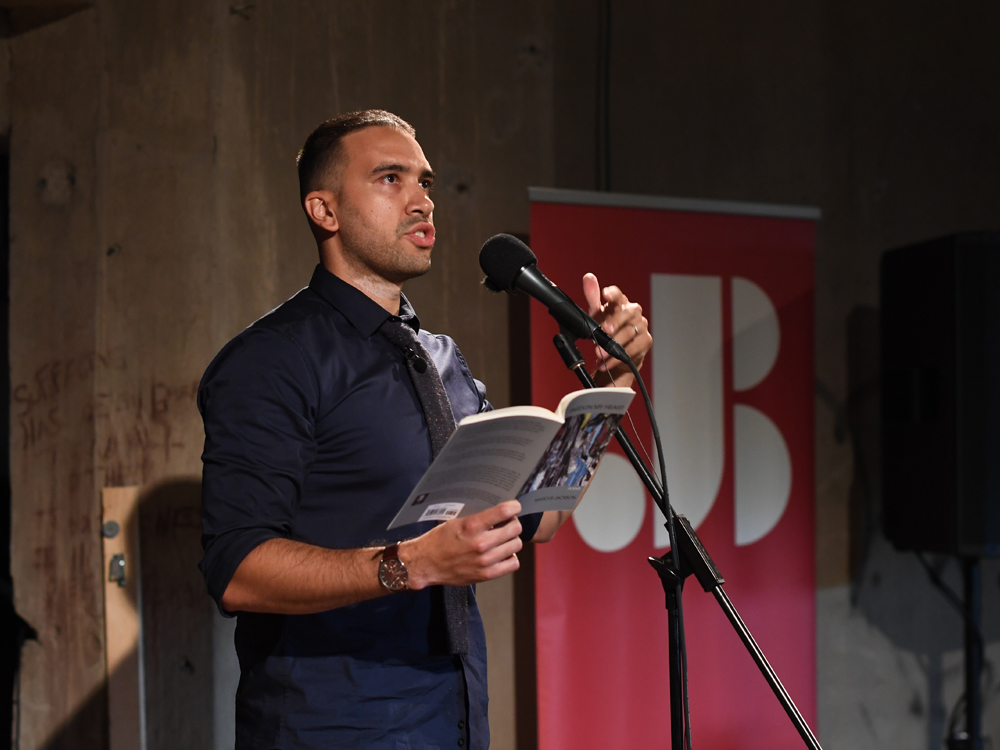 On August 18, the city’s grain silos held a “micro-arts festival” to honor the work of Frank Stanford and herald the publication of a book that takes its title from one of his posthumous manuscripts, Constant Stranger. With the support of Poets & Writers, the festival brought the poets Kazim Ali, Marcus Jackson, and Matt Henriksen to Buffalo for one extraordinary night of performances, which included readings by Stanford’s close friend Bill Willett and a theatrical performance by Torn Space Theater.
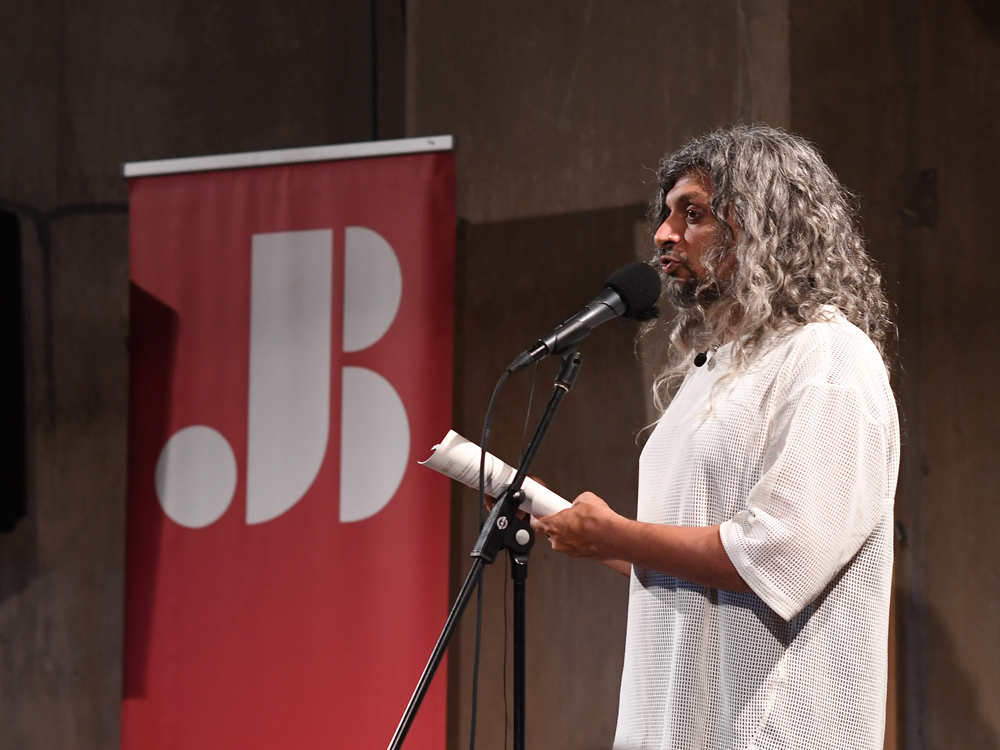 Marcus Jackson opened the evening, using the intimate circle of the Marine A silo to read poems from his collection Pardon My Heart (Northwestern University Press, 2018). Following a set by the electronic music group UVB76 and then a short break, Kazim Ali took the stage to read a mix of poetry from his latest collection, Inquisition (Wesleyan University Press, 2018), and unpublished work—including, and very much in the spirit of Stanford, poems conceived that day.
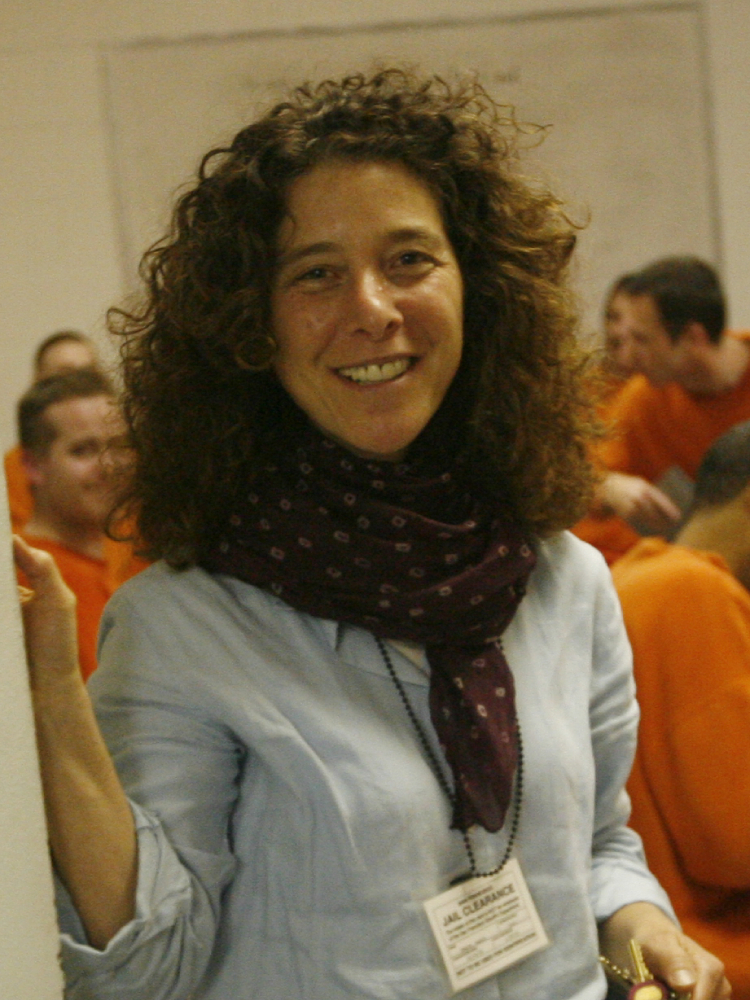
 The very energy of prison is punitive, designed to drive love out. Perhaps this is why implementing the Roots and Wings Project’s ASCENSION, a P&W–supported theater and writing pilot workshop series at the California State Prison in Lancaster, a men’s prison, and the California Institution for Women, a women’s state prison in Chino, was nearly impossible.
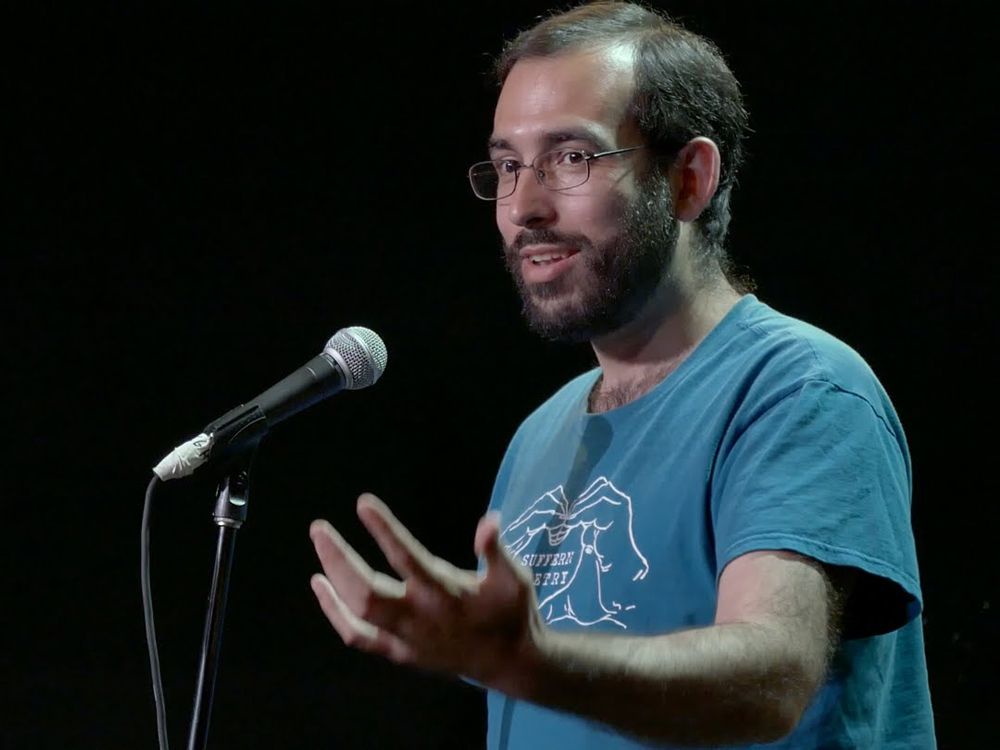 Rockland Poets, formerly known as Suffern Poetry, has been hosting monthly poetry open mics and slams in the Lower Hudson Valley’s Rockland County since 2011. We’re a pretty small organization, currently run by seven volunteers, all of whom are residents of Rockland County or northern New Jersey. We run our events because art and community are vital. Poetry is an accessible art form in that you don’t need any special training or tools to create poems or to appreciate them. In the spirit of that accessibility, all of our events are open to the public and almost all incorporate open mics, where anyone can sign up to share their work. The grants we’ve received through Poets & Writers over the years have been of great importance to keep these events open and running.
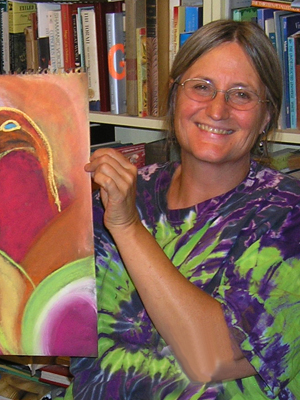 Anyone who has survived more than a decade or two on this planet has stories to tell. Often, however, people who struggle with addiction have not had the opportunity to sit down and write their stories, not even for themselves. For the clients I have worked with in recovery, any available energy they have is directed at surviving challenging life circumstances. Some have been incarcerated, and when the prison doors open, they land in a halfway house or in day treatment for addiction. Then suddenly, there is time and room to reflect on experiences, to tell the stories that need to be told.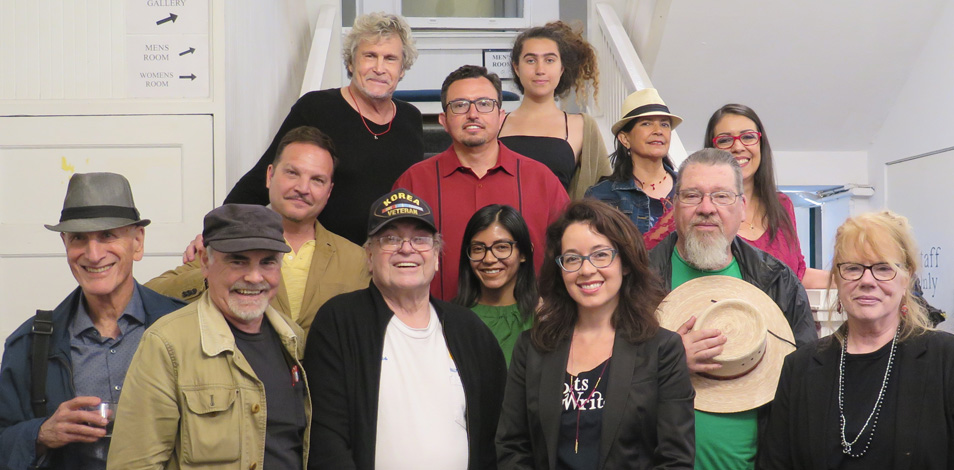
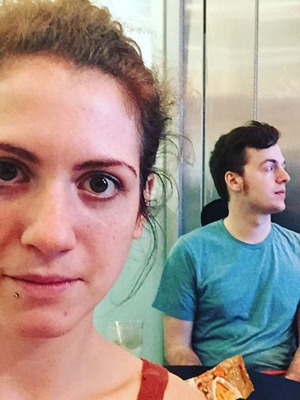 When we set out to build WEIRDD, our monthly poetry reading series held at Books Are Magic in Brooklyn, we had a few apophatic rules of thumb. No flimsy introductions. No parched mouths. No inhospitable (and inexplicable) non-hosting. No regurgitated blurbs. We knew exactly what we wanted to avoid, having been through that wringer, and though our first season hasn’t been without its bumps, on the whole we feel the series has found its early footing in a well-ordered sensibility.
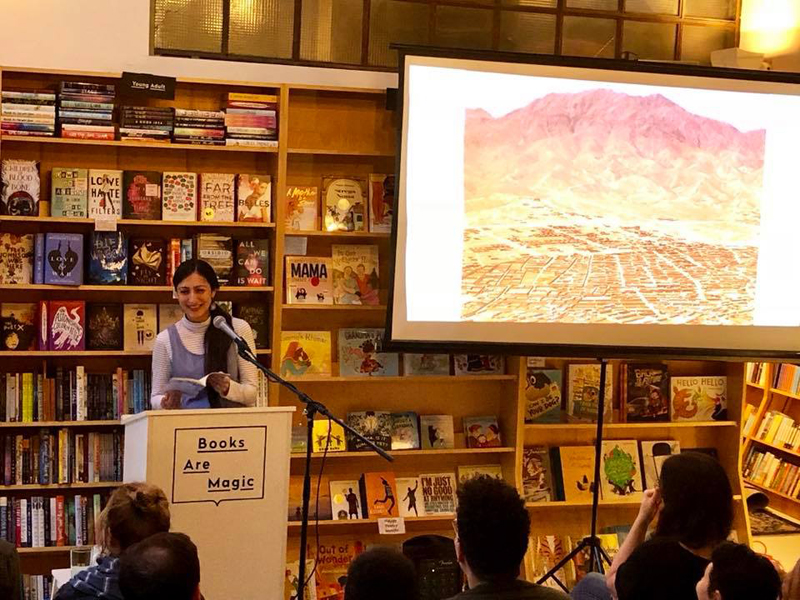 With these guidelines holding space, we’ve learned so much from so many: Jenny Xie’s gnomic scrying, Ricardo Maldonado’s elfin sonatas, Marwa Helal’s recognitive cataracts, Yanyi Luo’s arch scrutiny, Rio Cortez’s yawning infinity, Jayson P. Smith’s quenching jewels, Paul C. Stone’s mastery of the leap, Jen Hyde’s affinity for apertures, Sahar Muradi’s sense of strata, Valerie Hsuing’s sentient microphones, Chase Berggrun’s climbable wordscapes, Wren Hanks’s unflinching apparatus, Amy Meng’s history of rue, Julia Guez’s kaleidoscopic array, Jen Levitt’s droll orbitals, Jerome Murphy’s painterly ambulation, and Joey De Jesus’s omnivolent manticore.
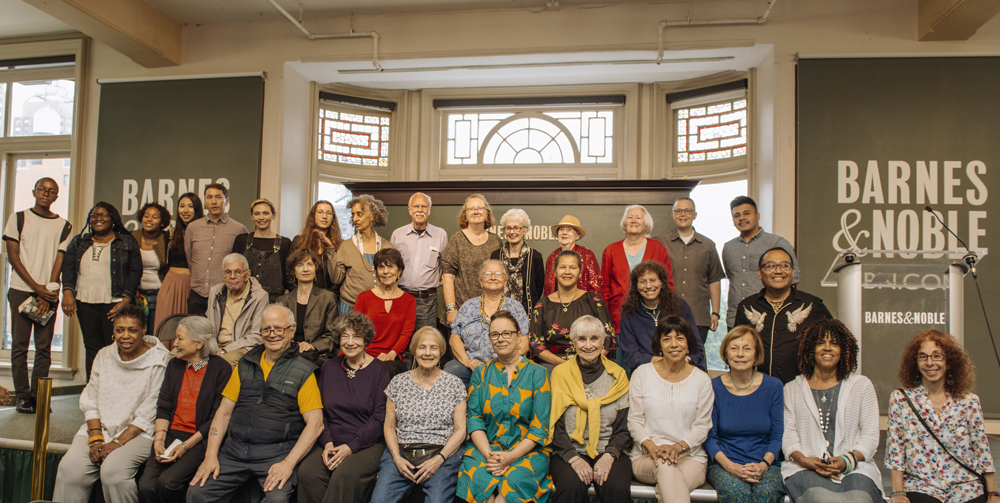
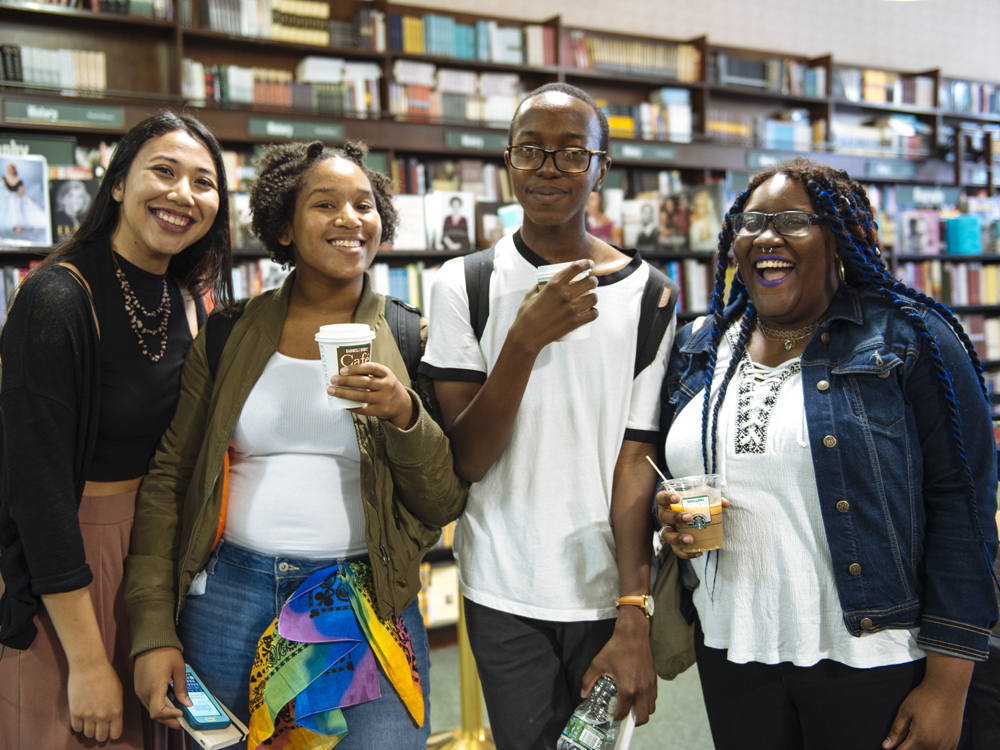 On Saturday, June 23, Poets & Writers held its seventeenth annual Intergenerational Reading at Barnes & Noble at Union Square, where we’ve held the reading for the past seven years. As I listened to the thirty-six writers from the ages of eleven to eighty-six, I thought back to the beginnings of this celebratory reading, when we were given a grant in 2001 from the Louis and Anne Abrons Foundation to conduct writing workshops at senior and teen community centers. Visiting the programs, I was moved by the diversity of voices, and the similarities and differences in the generations. I thought it would be inspiring to bring these generations together. The first Intergenerational Reading was held in a community room at the Goddard Riverside Community Center’s NORC Program, with about six readers and an audience of about twenty.