




Literary MagNet: Steven Espada Dawson
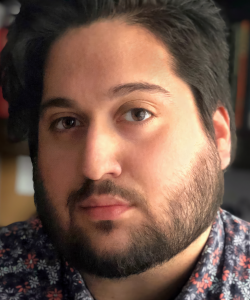
The author of Late to the Search Party highlights magazines that have offered his lithe, intimate poems a home, including Waxwing and Split Lip Magazine.
Tags:
Jump to navigation Skip to content
The author of Late to the Search Party highlights magazines that have offered his lithe, intimate poems a home, including Waxwing and Split Lip Magazine.

Write a poem that uses the language of flowers to share a secret, a scene where a young person expresses their thoughts about a parental figure, or an essay based on the logic of your own dreams.
Publishing two poetry books a year, Conduit Books shares the quirky aesthetic of its journal counterpart, Conduit. The press seeks work that is innovative, honest, and sincere, bringing people to poetry and rumination.

The first lines of a dozen noteworthy books, including Hardly Creatures by Rob Macaisa Colgate and Chronicle of Drifting by Yuki Tanaka.

This summer’s notable opportunities celebrate new talent, amplify marginalized voices, and push boundaries. Our editors take you behind the scenes to see how these contests are run, who they serve, and why they do what they do.

Writing contests that accept excerpts as short-form prose can help you keep up the momentum during the long journey to book publication. Contest winners and other experts share what it takes to create an attention-grabbing excerpt.

Curating and sequencing your poems with intention can positively affect the outcome of your submission. Contest organizers and judges offer four guiding points as you assemble your poetry packet.

The publishing industry is unique in letting retailers return unsold stock—a practice with enormous costs for indie presses. The editor of Orison Books breaks down the logistics of fulfillment and suggests ways to reimagine book returns.

Superstar literary agent Nicole Aragi talks about what stands out to her in a query, the importance of finding the right agent, and the art of following your nose.

In the poetry collection I Imagine I Been Science Fiction Always, Douglas Kearney shatters traditional expectations by transforming images and texts into dynamic conversations about Black identity, personhood, and art.
