




Ten Questions for Deb Olin Unferth

“There was a time when I would have called my nonwriting life an impediment, but these days I see it more like I need to be a whole person.” —Deb Olin Unferth, author of Earth 7
Tags:
Jump to navigation Skip to content
“There was a time when I would have called my nonwriting life an impediment, but these days I see it more like I need to be a whole person.” —Deb Olin Unferth, author of Earth 7

A unique field of awards recognizes the capacity of writers to tell the Earth’s stories with wonder and to advocate for its protection.

A century-long art project that pledges a grove of spruces in Norway to print one hundred sealed manuscripts, the Future Library is a source of optimism in the looming climate crisis that we can still build a future full of stories.

In Absolution, the surprise fourth volume of the Southern Reach series of literary speculative novels, Jeff VanderMeer continues to provoke critics and eschew labels while plunging readers into the unpredictable wilds of Area X.
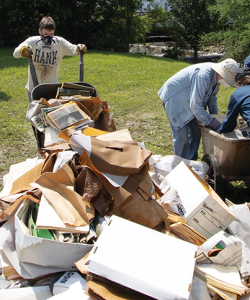
Flooding devastated parts of Vermont in July, including literary organizations and businesses that are now relying on community support as they rebuild and confront more frequent extreme weather events brought on by climate change.
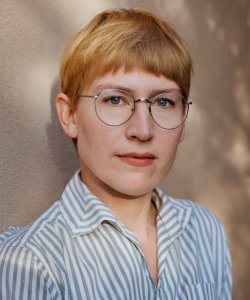
From her home in Santa Fe, the celebrated author of the new essay collection Thin Skin discusses queer identity, what it takes to write against capitalism and climate crisis, and the arts of rest and beekeeping.

The author of The White Mosque troubles the boundary between realist and genre fiction.
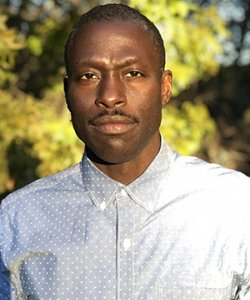
“Get out of the way of the writing. Don’t make it precious. Sit down and get to it.” —Roger Reeves, author of Best Barbarian

“It’d be easier for me to stop talking than to stop writing.” —Tochi Onyebuchi, author of Goliath
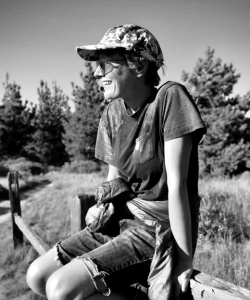
“I write poetry when I’m in transit or transition.” —Angela Hume, author of Interventions for Women
