Reflex/Response: Kaveh Akbar at the Poetry Center of Chicago
Natasha Mijares is an artist, writer, curator, and educator. She received her MFA in Writing from the School of the Art Institute of Chicago. She has exhibited at MECA International Art Fair in Puerto Rico, Sullivan Galleries, TCC Chicago, and Locust Projects and has been published in Container, Calamity, Vinyl Poetry, Bear Review, and Hypertext Magazine. She is a teaching artist for the Poetry Center of Chicago’s creative literacy residency program in Chicago public schools, Hands on Stanzas, and curates and hosts the Six Points Reading Series.
 The Poetry Center of Chicago (PCC) was founded in 1974, and we work hard to promote poetry in Chicago through readings, workshops, and arts education. Something that I have been working on at PCC is to offer more workshops for adults. Last year, we had a poetry and dance workshop with Ana Castillo and the nonprofit organization Chicago Danztheatre Ensemble, thanks to the generous support of Poets & Writers’ Readings & Workshops program. With this continued support, I was able to organize a morning workshop with poet Kaveh Akbar as well as an evening reading and discussion with him and Tarfia Faizullah that took place on January 26.
The workshop sign-up was open to the public and took place at Loyola University Chicago. We had twenty-three participants from all kinds of backgrounds, ages, and places in the city. Kaveh Akbar opened up the workshop by discussing the unique architecture of our psychic algorithms and how this allows us to create a restorative experience of language that is uniquely our own. He led two activities to be used as sustainable tools for the writing practice.
 The first activity incorporated a “bibliomanic” response in which each participant picked words from poetry books that stood out to them. After acquiring a pile of dazzling words and ideas, the participants were able to craft their own poems and the responses were energetic, playful, and provocative. The second activity was the “one-word story.” In groups of three, two participants began a poem by saying one word at a time and the third participant acted as the scribe. Again, the activity was a trust of the psyche as opposed to any premeditated plan. Akbar stressed how certainty is the death of a poem and how we should trust our reflexive responses.
The workshop participants and the PCC staff had a wonderful experience. One of the participants noted: “He was a great teacher—full of curiosity and fun, and he shared that infectiously with us. Akbar’s prompts were really wonderful, they allowed me to get into writing immediately, and led to a great output of work for myself, and it seemed, for others too. I’m so grateful the center was able to offer this workshop for free.”
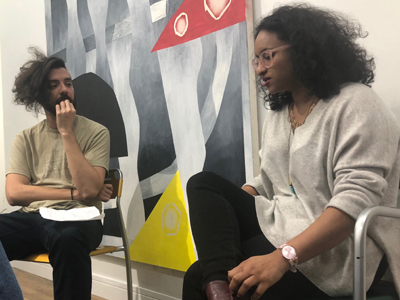 In the evening, both poets opened by reading Chicago poets. Tarfia Faizullah read a poem from Fatimah Asghar’s forthcoming debut collection, If They Come for Us (One World, 2018), and Akbar read “off white” by Nate Marshall, before reading from their own collections along with some new work.
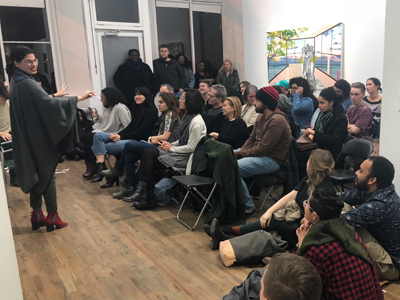
Thanks to the support of a micro grant from Illinois Humanities, we were able to have the poets lead a discussion following the reading. Akbar used the space to interview Faizullah about her new book and the discussion lead to questions about Muslim identity, epigenetics, and when to address the self. The audience contributed questions and feedback that pulled us toward the roots of each poet’s work. It made for an evening of honest, warm, and powerful celebrations of poetry and the community that builds it together.
Editor’s Note: For more on Kaveh Akbar, read “The Whole Self: Our Thirteenth Annual Look at Debut Poets” from the January/February 2018 issue of Poets & Writers Magazine. You can also hear Tarfia Faizullah read from her new poetry collection, Registers of Illuminated Villages (Graywolf Press, 2018), in the eighteenth episode of Ampersand: The Poets & Writers Podcast.
Support for Readings & Workshops in Chicago is provided by an endowment established with generous contributions from the Poets & Writers Board of Directors and others. Additional support comes from the Friends of Poets & Writers.
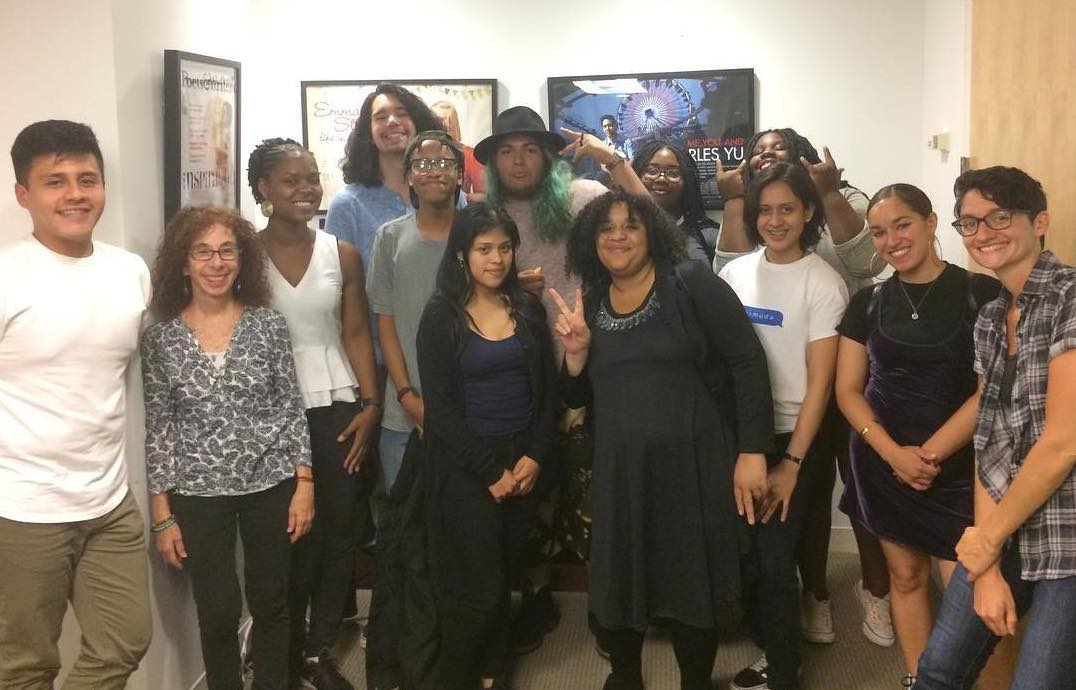
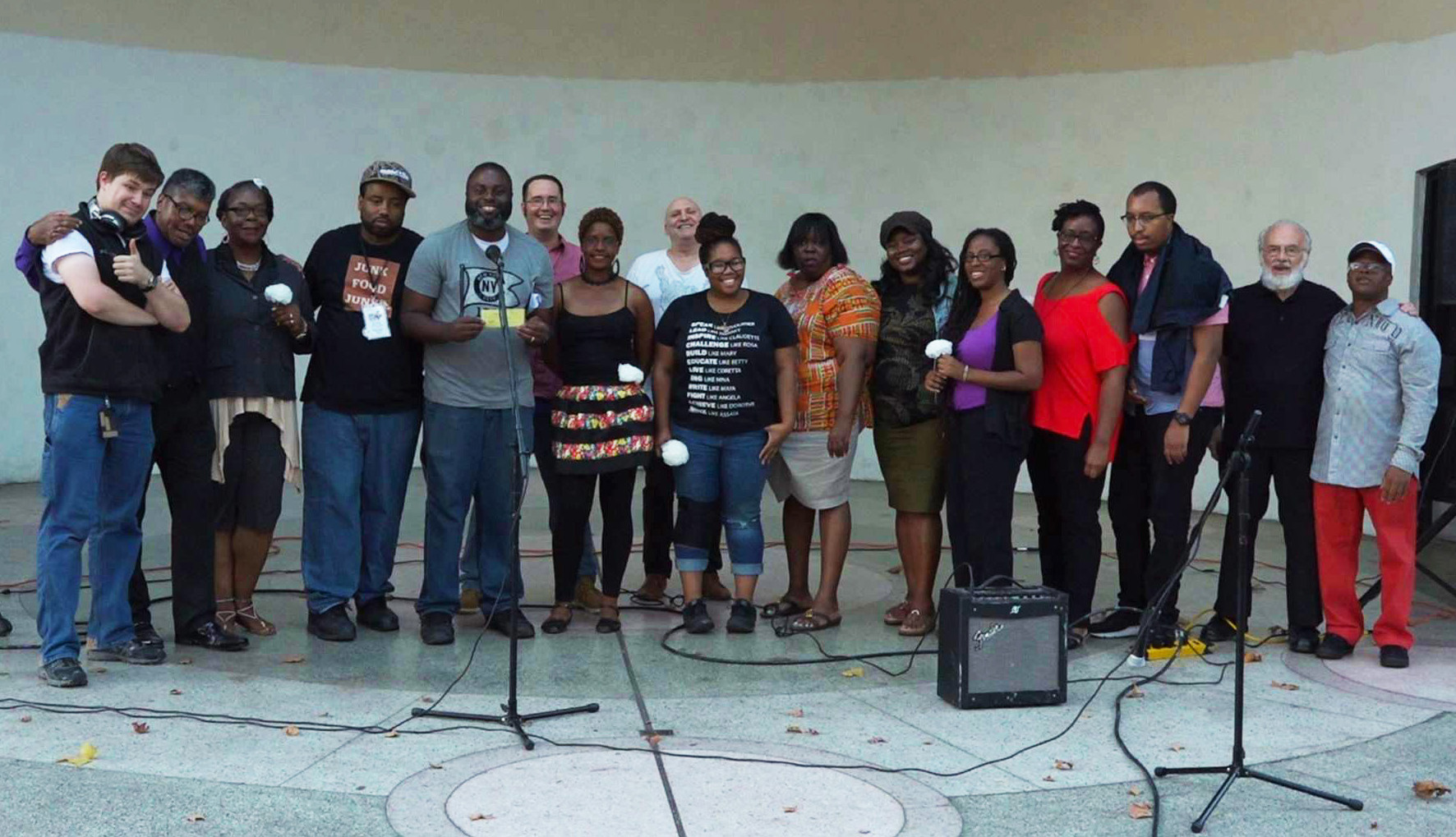
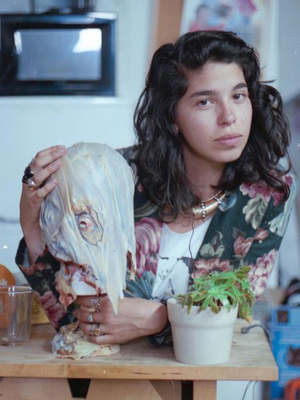
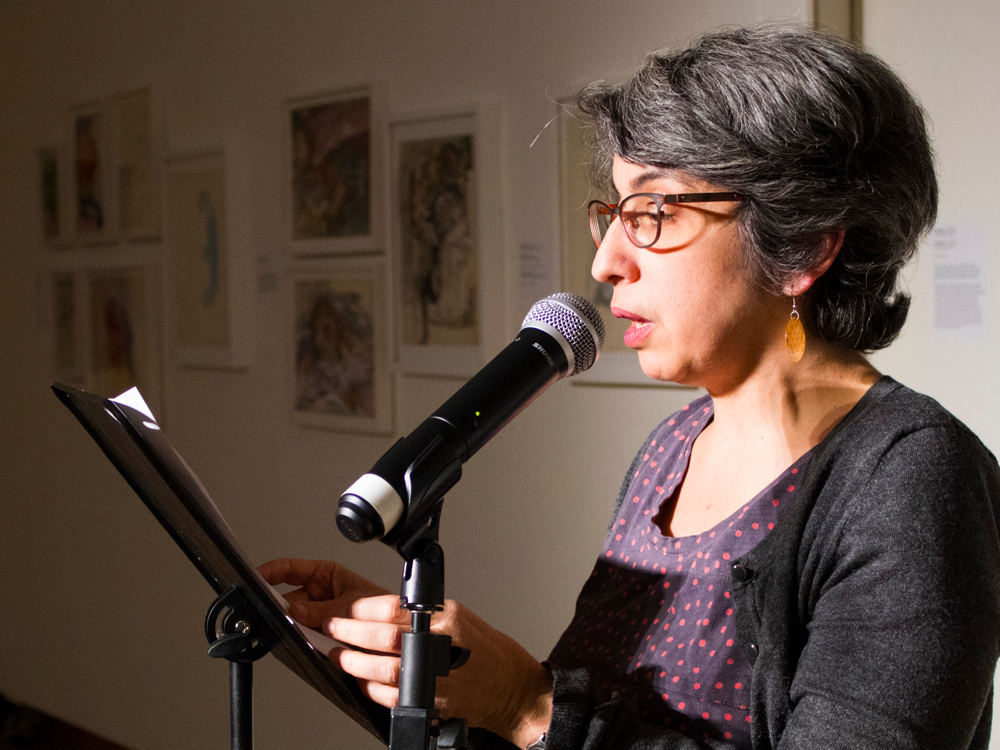
Photos: (top) Natasha Mijares (Credit: German Caceres). (middle) Reading attendees (Credit: Max Maller). (bottom) Kaveh Akbar and Tarfia Faizullah (Credit: Max Maller).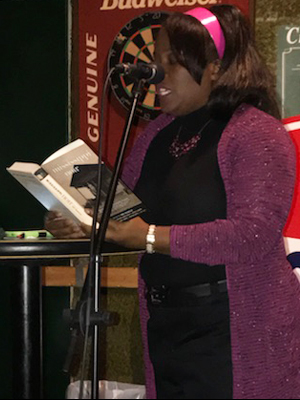 For the last couple years, series founder and host, poet Megan Burns has allowed me to invite readers for a monthly fiction night. Last December, I asked two of the contributors to the Mississippi Noir anthology published by Akashic Books—RaShell R. Smith-Spears and William Boyle—to travel to New Orleans to read.
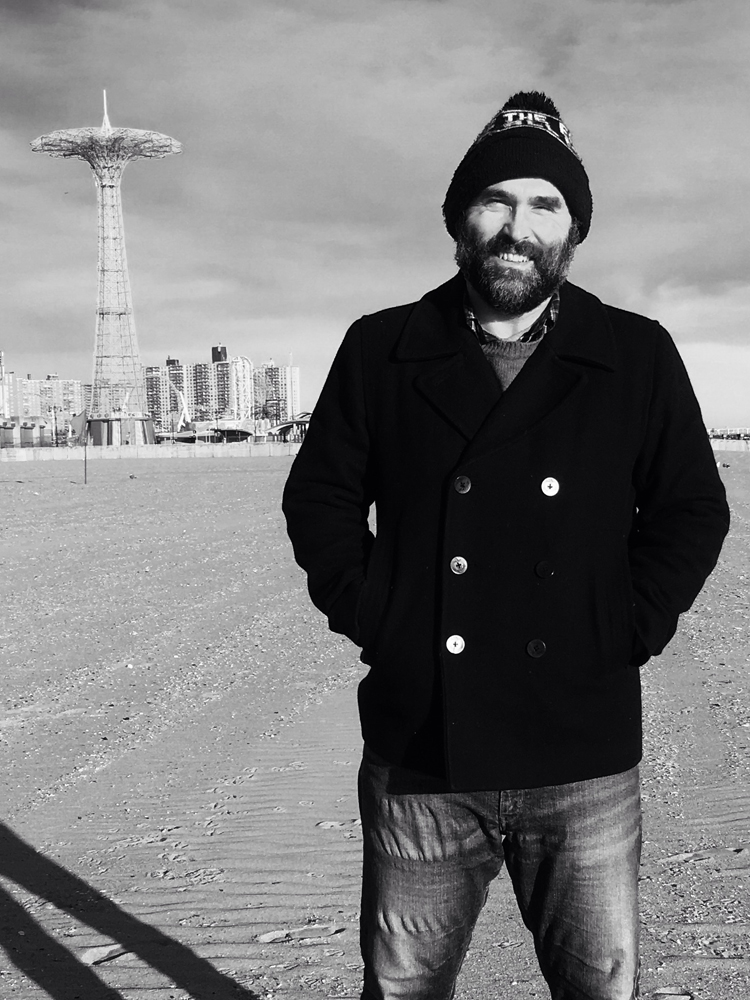 Boyle read from his forthcoming novel,
  How did your work at Bailey House begin? What drew you there?
 Are there any techniques you employ to encourage shy or reluctant writers to open up?
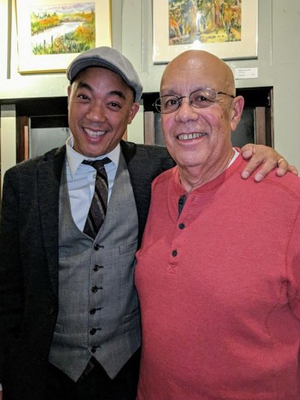 WordsWest Literary Series—now in its fourth year of programming—was honored to celebrate Filipino American History Month by welcoming two outstanding local writers of Filipino descent, Robert (Bob) Flor and Roberto Ascalon, to the stage. As cocurator Harold Taw mentioned in his introduction, both writers are “Uncle Bobs” in a culture that gives great respect to the words and lessons of previous generations, and that acknowledges the importance of family and really good food!
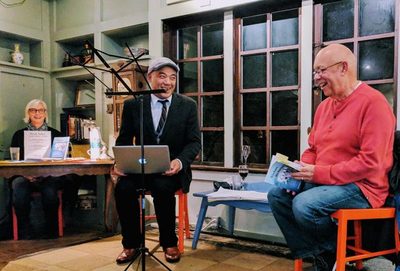 Roberto Ascalon was a stunning reader. The audience was on pins and needles as he took us into a Filipino fish market full of magical sensory images and strong characters. His love poem moved us with its unique form that didn’t quite rhyme, but felt like a song in its turning back and repetitions, and gorgeous images of seeds and growing. Bob Flor read from his chapbook Alaskero Memories (Carayan Press, 2016) about life in Alaskan canneries in the 1950s and 1960s. It is invaluable to have someone like Flor share his past experiences not only as a Filipino American with current ties to the Philippines, but as an older gentleman with an eye for details that only a poet can put down on paper. In one touching moment on stage, when the writers first traded turns at the mic, Ascalon acknowledged Flor’s age and life experience, and noted how honored he was to be reading with a Filipino elder. It was a lovely, intimate exchange between writers, between their poems.
  The Teen Creative Writers Workshop at Somers Library was created for teens who love to write, those middle and high schoolers who’d tell you writing is their thing. We cover all genres—essays, fiction, fan fiction, poetry, you name it. We wanted to create a safe setting for writers where they can share their work and receive constructive feedback, while learning how to give helpful critiques to each other. We also discuss various genres and how to strengthen important elements in each one.
 By far, my most rewarding experience as a teacher has been witnessing the enthusiasm expressed by the students. When we get into a discussion about books, or writing, or characters’ motivations they become so animated. It’s exciting to have them ask if we can meet weekly instead of biweekly, or if we can continue the workshop over the summer. Their interest shows me that they truly value the time spent, and enjoy learning the craft. I know they won’t all go on to become writers, but there was nothing like this for me in high school. If there had been, I might have had the confidence to start my writing career earlier in life. I love that I can be a resource to help these students start sooner if they wish.
 You are a poet—or you think you are: perhaps you have never been sure. After all, you don’t have the four or five books to your name that you thought you’d have by now. A couple of competition wins, an award or two, yes, but no book. It seems so complicated, so difficult, this business of getting published. You live in a small town, in a rural state, far away from the publishing centers of America; the editors and poets who throng there seem so far above you.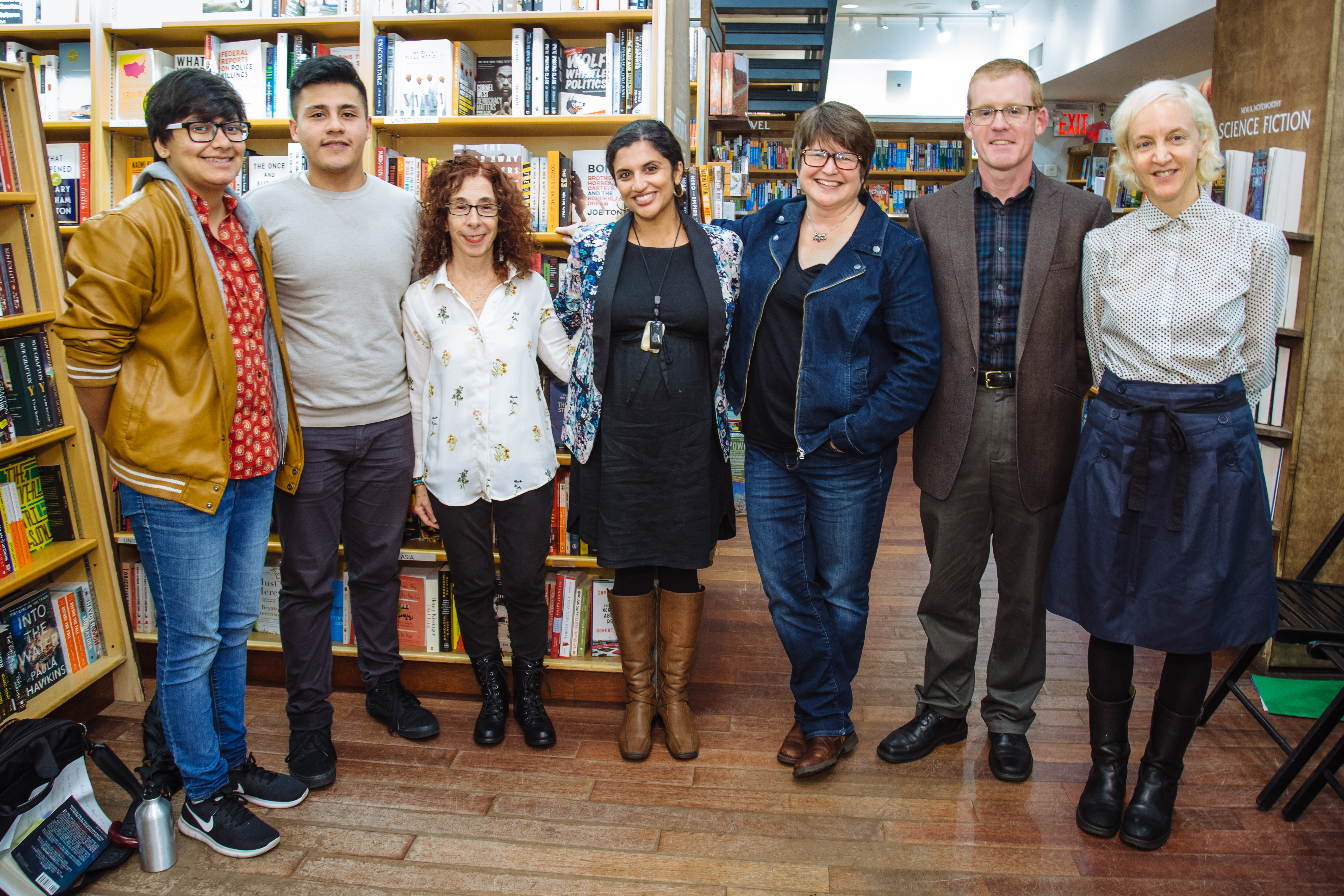
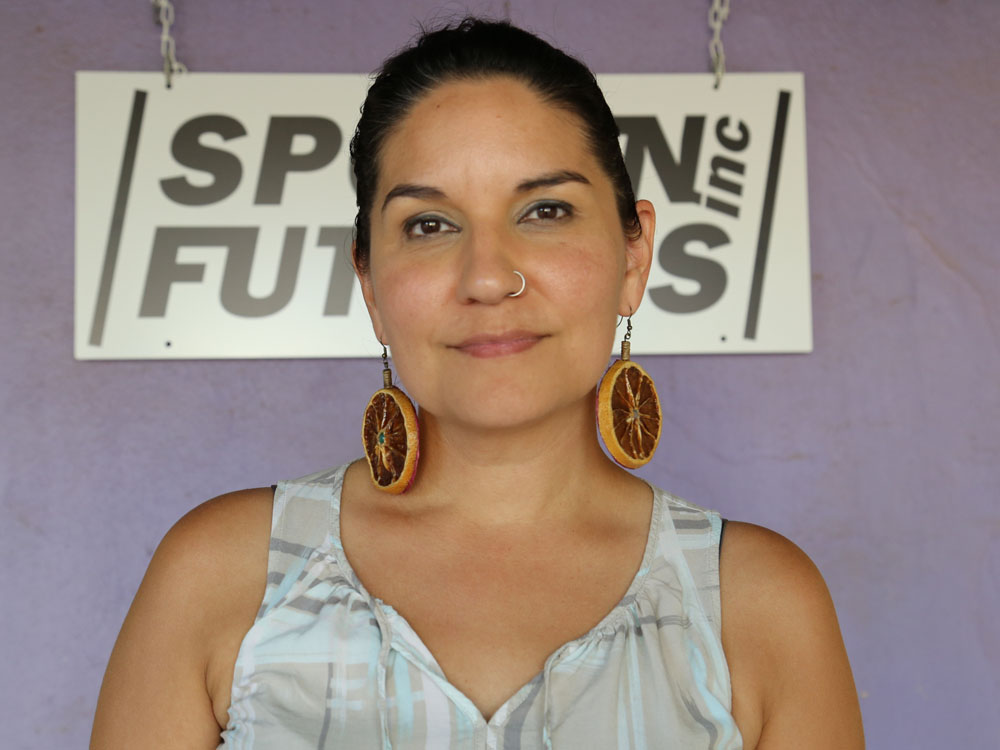 Spoken Futures, a youth organization based in Tucson, Arizona, hosted the season kickoff of the Tucson Youth Poetry Slam (TYPS) on August 19, 2017, which featured P&W–supported poet Bobby Wilson. Wilson’s work is heavily influenced by his Dakota heritage, and his spunky spirit and deep cultural roots resonated with the high school-aged youth. He led a writing workshop with about ten youths, moving them through the anxiety of writing and performing. By the end, all overcame their fears and signed up to compete in the poetry slam.
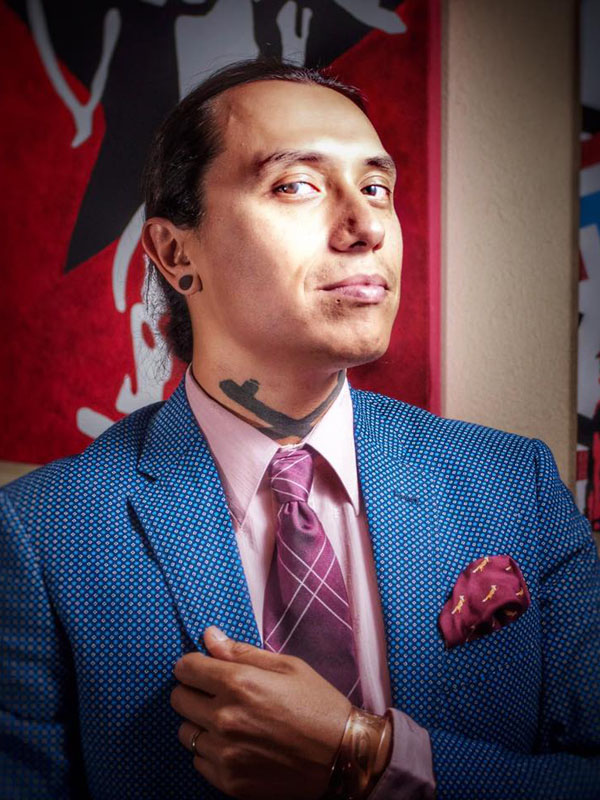 Wilson, a new transplant to Tucson, but a friend of many years to local organizers, also performed a set halfway through the slam. He roped in the audience with poems about his indigenous heritage, trauma from colonization, and dreaming our dreams. In his opening piece, he spoke about the national anthem: “I will not stand, I will not kneel. There are needles in our knees given to our grandparents by good God-fearing men and the women they own.” Wilson is raw, honest, and a kind person. He stayed late to talk to youth, and supported our work with his time and energy.
 On a crisp, clear October morning, the three of us hustled down Vesey Street in Lower Manhattan, not wanting to be late for our meeting with Deborah Treisman, fiction editor at the New Yorker. We hurried past chain-link fences, shrouded to obscure what remains undone in the wake of 9/11. We waved away hawkers who propositioned us with memorial tours. We tried not to think about going up thirty-eight stories in the One World Trade Center building.
 Sitting at a folding table at the
 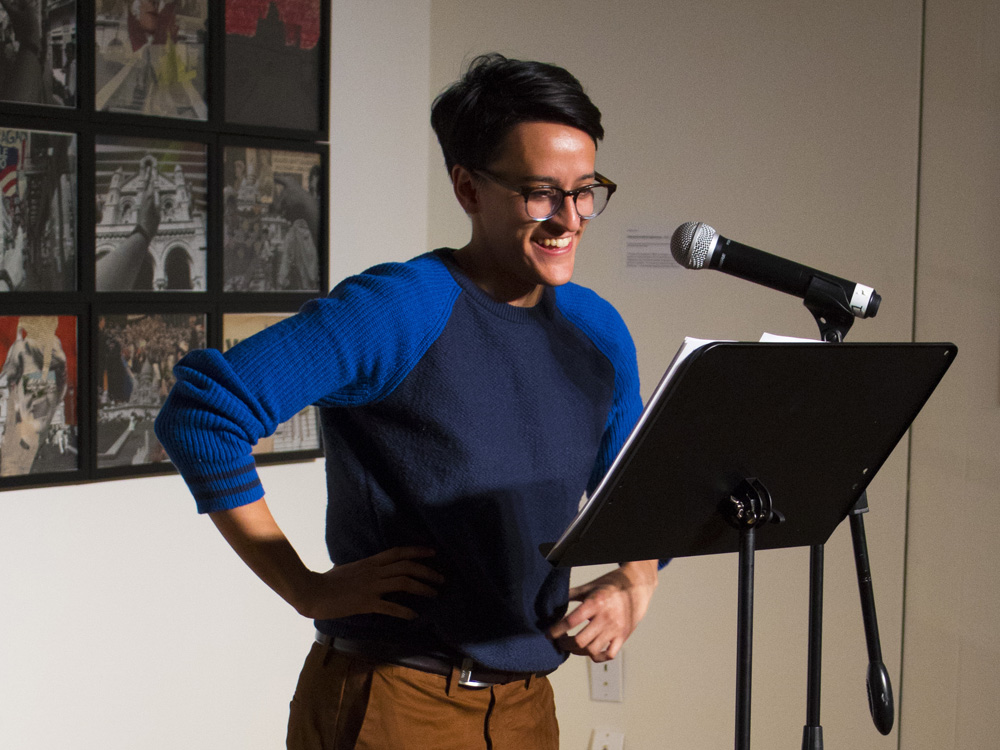 The gallery walls are hung with images of naked bodies. Workshop participants, women and nonbinary, introduce themselves. A pattern emerges: They want to reconnect with their writing. They have felt alone in the current political moment. They have wanted a place where they can be all of who they are—in race, culture, religion, and identity—and where queerness is not the otherness in the room. Someone asks, “When we discuss the texts, do we have to analyze them, or can we talk about the feelings and experiences they call up in us?” Over the next few weeks, our conversations crackle and spiral, one person’s thoughts inspiring a response in someone else; people want to talk about their lives with each other as much as they want to write.
 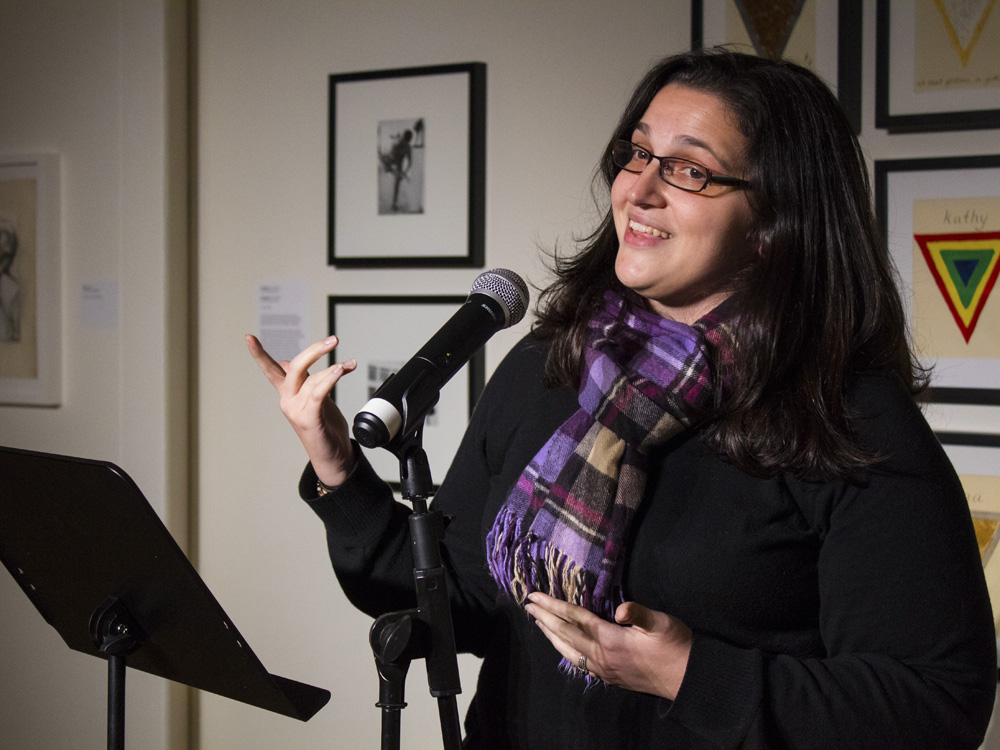 When someone asks, “Can we read non-American or non-Western texts?” I ask for their input. At our final workshop two folks bring in a nonfiction story called “The Woman Who Loved Women” from The Good Women of China: Hidden Voices (Anchor, 2003) by Xinran, and a science fiction short story called “The Worldless” about a genderless future by Indrapramit Das. As the pair discusses what compelled them about each piece, I realize that we all make our own queer herstories, shaped by the spaces we form together. The words of the authors we have read these past weeks are actually in conversation with us...and we speak back to them.
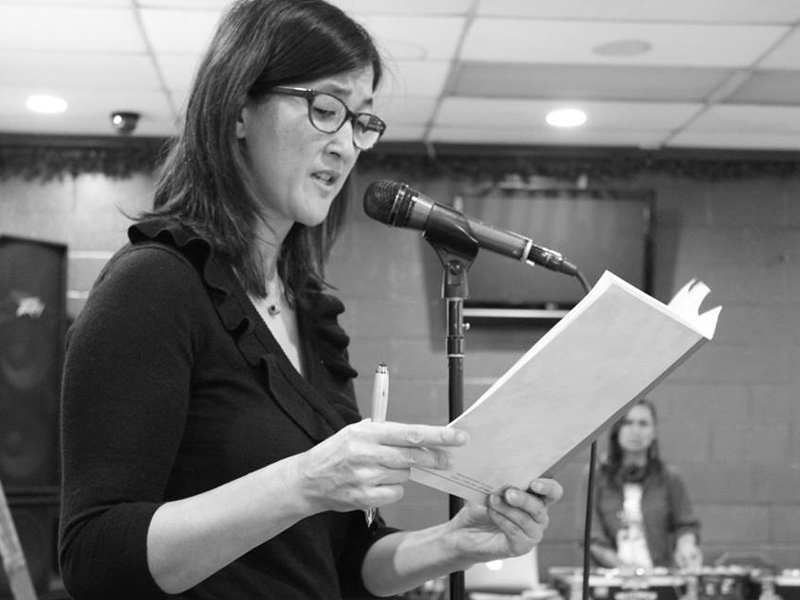 Since the 1950s, South Korea has produced approximately two hundred thousand overseas adopted Koreans. As we’ve entered adulthood, gathering and connecting through our shared experiences have played important roles in our identity formation and well-being. For some, writing has been a means to navigate our adoption journeys, which at times can be very isolating geographically and emotionally.
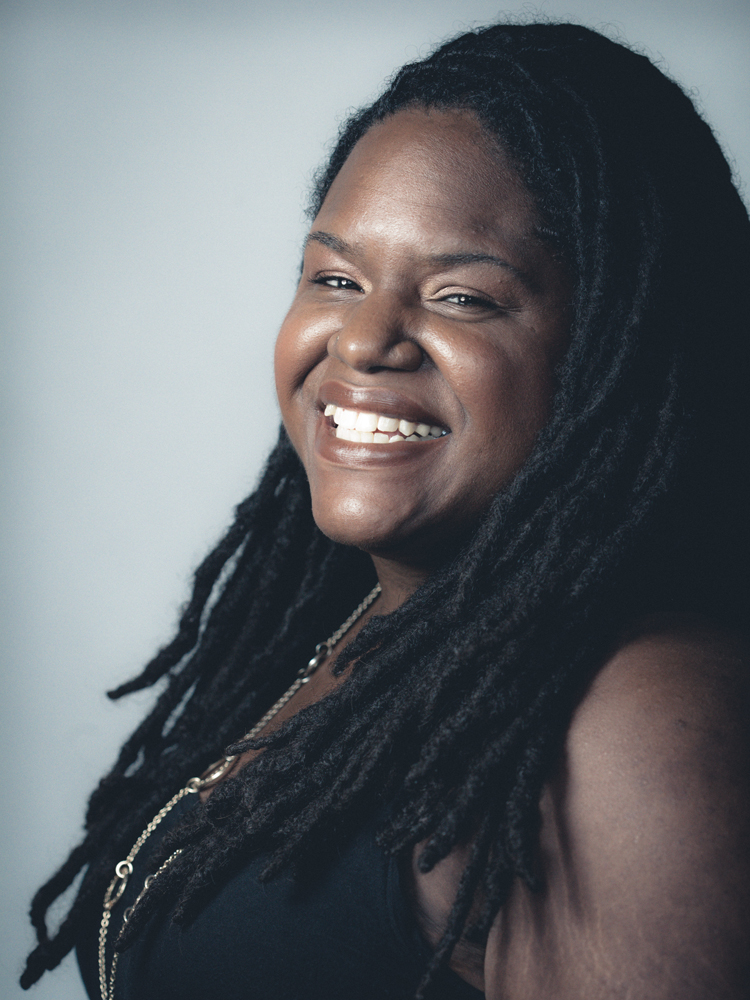 I have been an alumna of the Cave Canem summer retreat since 2008, and had the opportunity to participate in smaller New York City workshops in 2008 and 2009. While the summer retreat is life-changing and affirming, and provided me with a long roster of lifelong friends in the poetry world, the prolonged space(s) with Myronn Hardy and Tracy K. Smith as facilitators provided me with a framework of what a community workshop could look like, how to be rigorous readers and writers in an after-work, weekly setting, while also building community. Cave Canem, for me, is about building a community of people who will sharpen your poeming pen.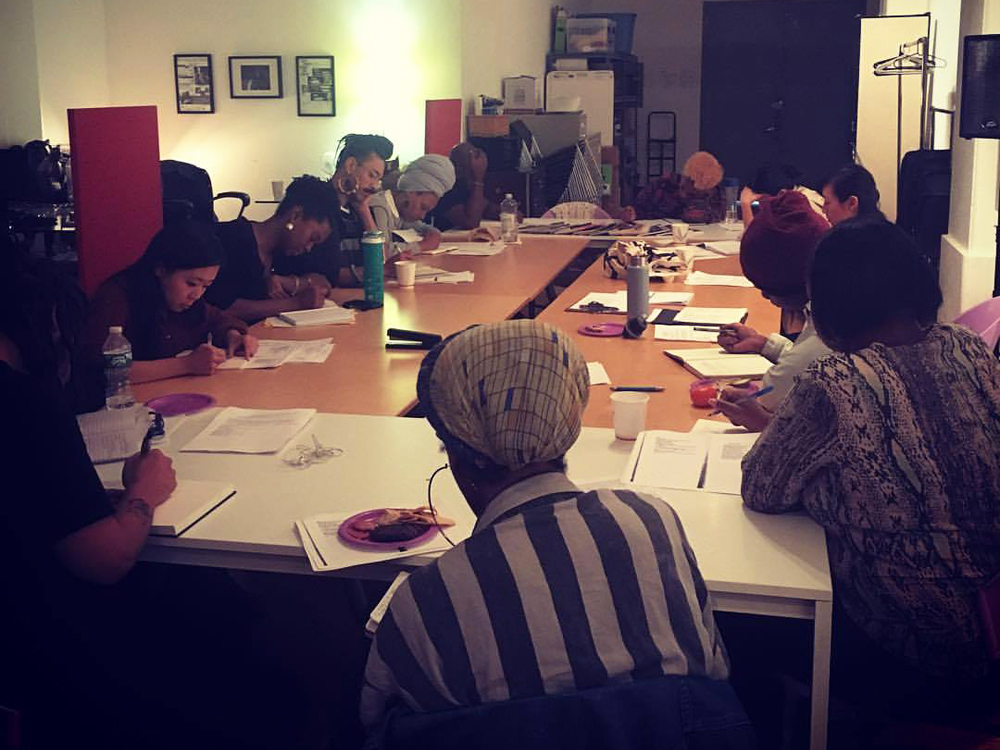
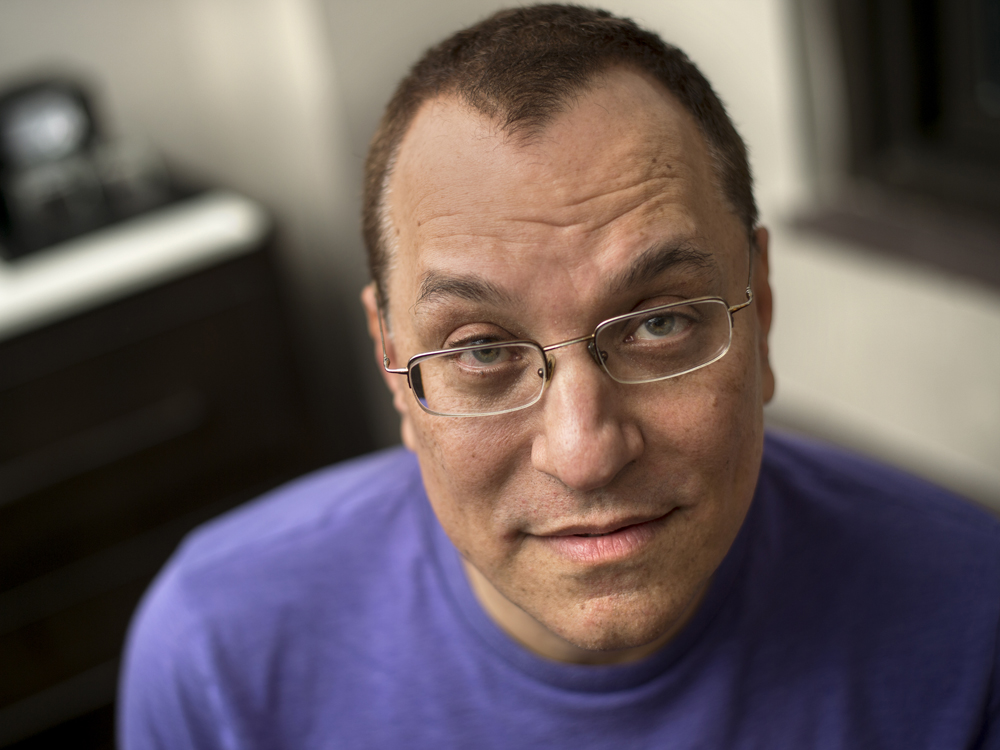 For those of us who live with disabilities, when we think of access we mostly think of physical access: ramps, lifts, and technological aides. But cultural access is just as essential as physical access to an inclusive society.
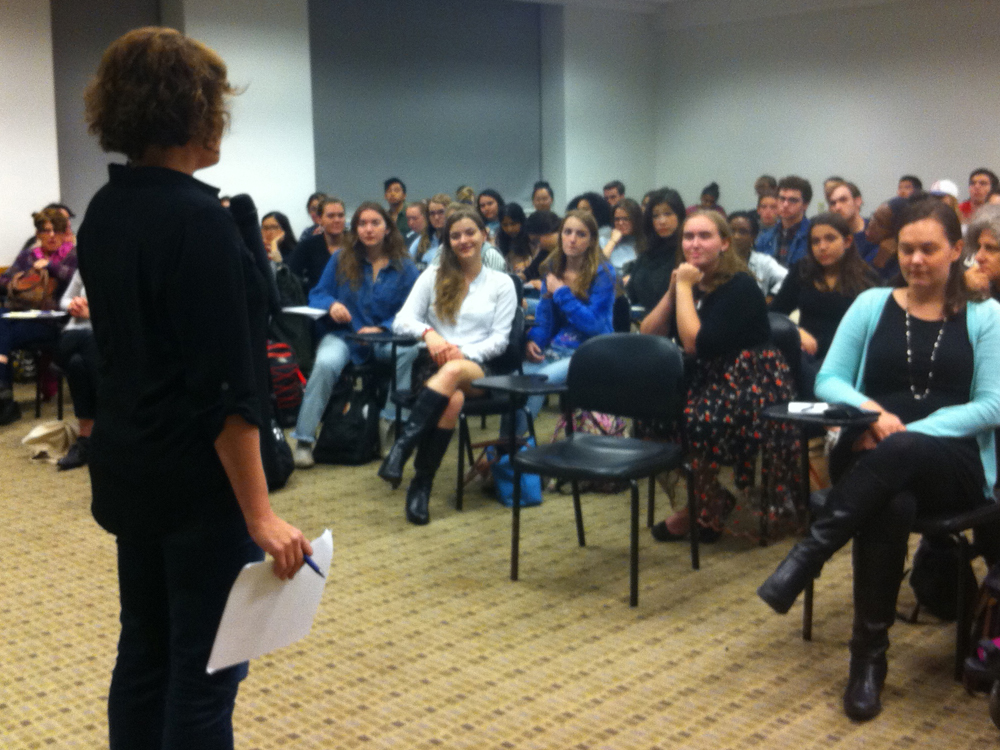 At Georgetown University I helped inaugurate a disability studies minor, which draws on course offerings ranging from anthropology to English, to nursing to theology. I read from and talked about In the Province of the Gods both at a packed event open to the public, as well as in the more intimate setting of a freshman seminar titled “Disability, Culture, and the Question of Care.”
 In the spring of 2016, Zach Whelan of Project Avary called the office of the Institute for Poetic Medicine to ask if I was available to bring poetry to the teens they served. This residency would occur during a mid-June, two-week summer camp.
 The Youth Leadership Board (YB) at