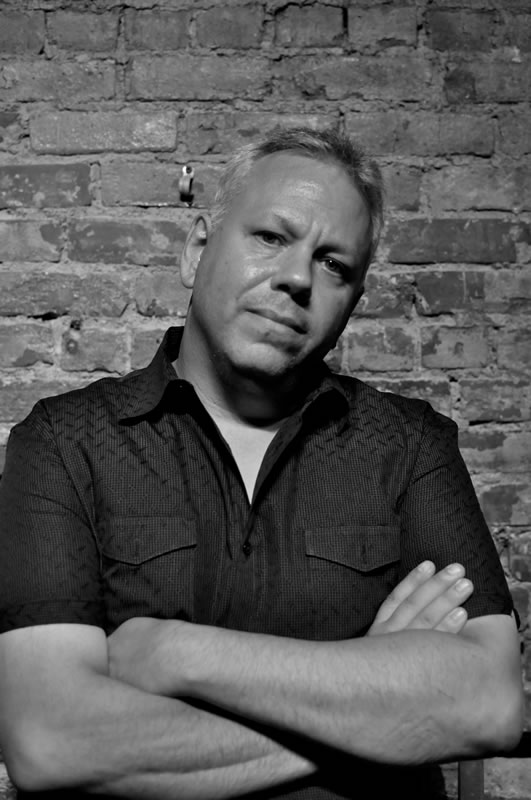
Mike Geffner is the founder and producer of the Inspired Word literary/performance series and the Queens Lit Fest. For thirty years, he was a professional journalist who published stories in USA Today, Details magazine, Village Voice, Texas Monthly, the Writer, and Sporting News. He’s won awards for both column and feature writing, and was acknowledged seven times for excellence by the annual anthology Best American Sports Writing. Geffner retired from journalism in 2011 and is currently working on a book of poetry, tentatively titled Slogging Toward Death.
This was late March 2015. I was chatting with the event booker of a charming pub in Long Island City called LIC Bar. The place was already hosting several literary events and I felt it had the potential for something wonderful of my own. I just wasn’t sure what.
LIC Bar has the uniqueness of being broken into three distinct areas: a bar in front with antique-wood floors, brick walls, and a tin ceiling; an outdoor garden patio in the middle under the peacefulness of willow trees; and a private room in the back with a fireplace.
I mulled over a ton of ideas in my head before the words that would change my life spilled out: “How about a Queens Literary Festival?” It seemed perfect—the readings in the private room, the vendors in the patio, the schmoozing in the bar.
The booker agreed and we set a date for the first weekend in August. However, the second I left the bar, the reality hit: What did I just sign up for? How do you put together a two-day festival for an entire NYC borough in just four months?
It was daunting to say the least, though as a former journalist, I was used to dealing with deadline pressure and getting things done quickly. And as someone who has lived all his life in Queens, who loves his borough, I believed in the mission: to bring together Queens’s diverse literary community, to honor our literary artists, to create a dynamic event that would be unpretentious, all-inclusive, and filled with heart.
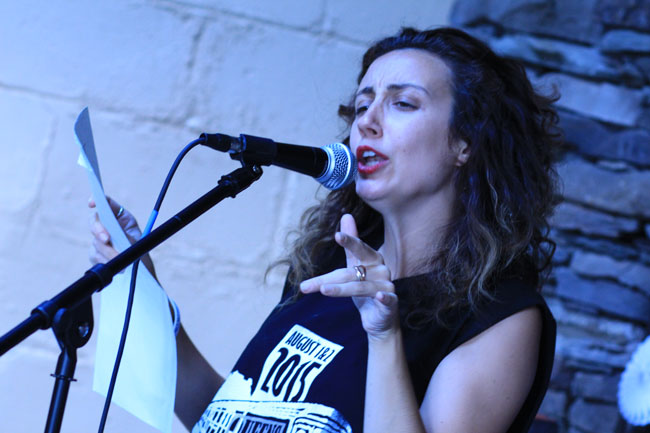
With the help of Inspired Word assistant producer, Poetry Teachers NYC founder, and fellow Queens resident Megan DiBello, aka Make It Happen Megan, we made it happen. We produced a cool logo, postcards, and T-shirts. We put together excellent programming, which included several notable Queens-based reading series; the current and previous Queens poets laureate, Maria Lisella and Paolo Javier, respectively; and an open mic that would level the playing field and make everyone feel involved.
We were written about in all the Queens newspapers prior to the event, and Megan, Maria, and I even appeared in studio on NY1.
It ended up being a glorious event. We had two sunny days, drew over three hundred people, and I’m proud to say that despite the event being free we paid all the featured artists with sponsorship money, including generous dollars from Poets & Writers.
This year’s event (July 16 to 17, 11:00 AM to 8:00 PM, open to all ages this time) will be on a grander scale. For one, the site is the wondrous wide-open space along the waterfront called LIC Landing, a symbol of the new Queens and which offers a stunning, unfettered view of the Manhattan skyline. We’re also collaborating with Hunters Point Parks Conservancy (leading the building of an ambitious new Queens Library of Hunters Point) and COFFEED, a coffee chain that donates 10 percent of its profits to nonprofit foundations and which owns and donated the event space. We’ve added, as well, a tireless arts visionary, Mark Christie, president of Friends of Queens Library of Hunters Point, as an organizer/consultant. And, once again support from the Readings & Workshops program at Poets & Writers.
I know now what I’ve gotten myself into. We’re smack on the forefront of Queens’s culture renaissance, part of a movement to make Queens a literary destination, not just a pit stop to Brooklyn or Harlem. We’re forever on the timeline of Queens history. What an amazing thing from a few blurted out words.
You can follow the Queens Lit Fest on Instagram, Facebook, and Twitter @QueensLitFest. For more info, to RSVP, donate, or to sign up for the open mic, go here.
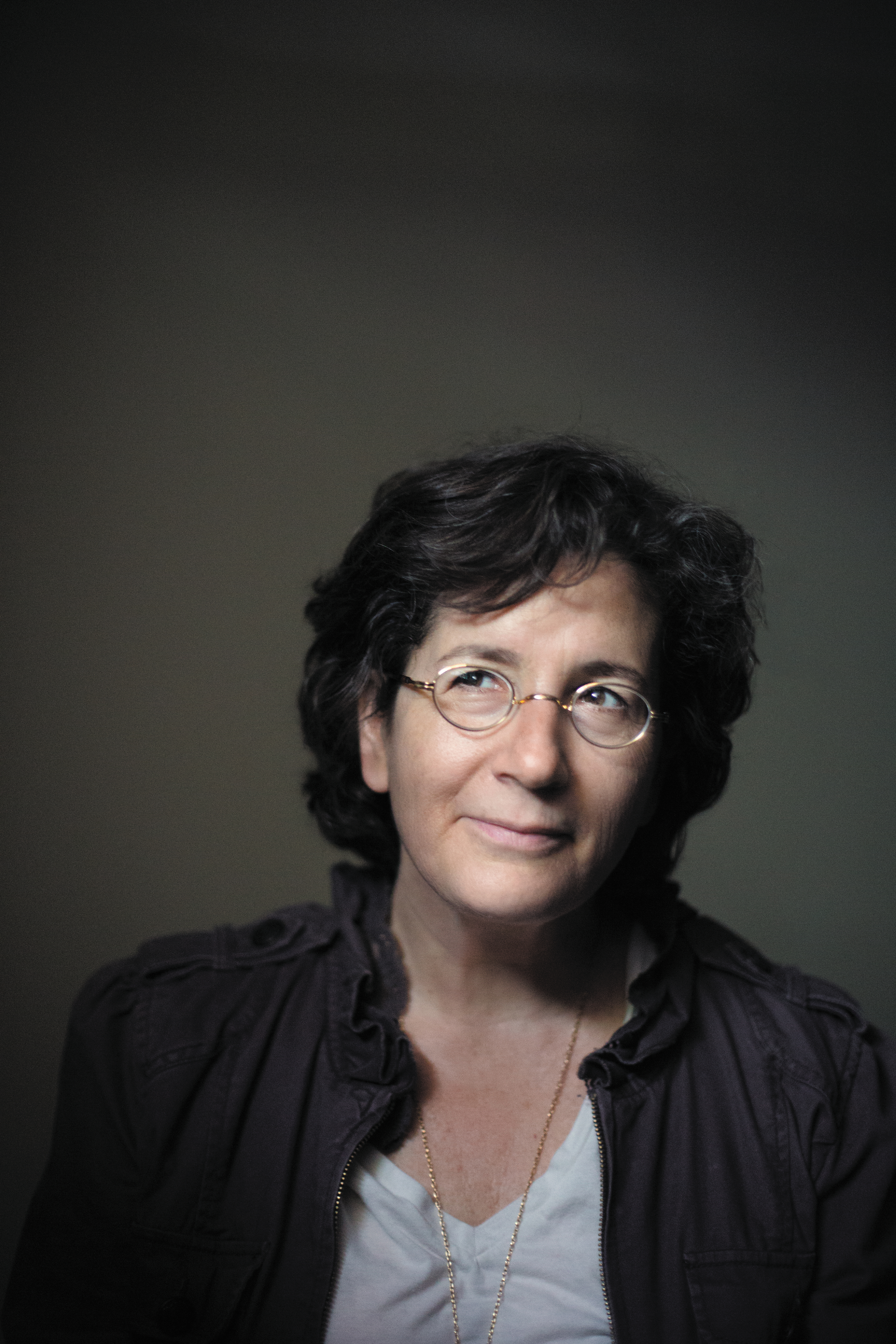
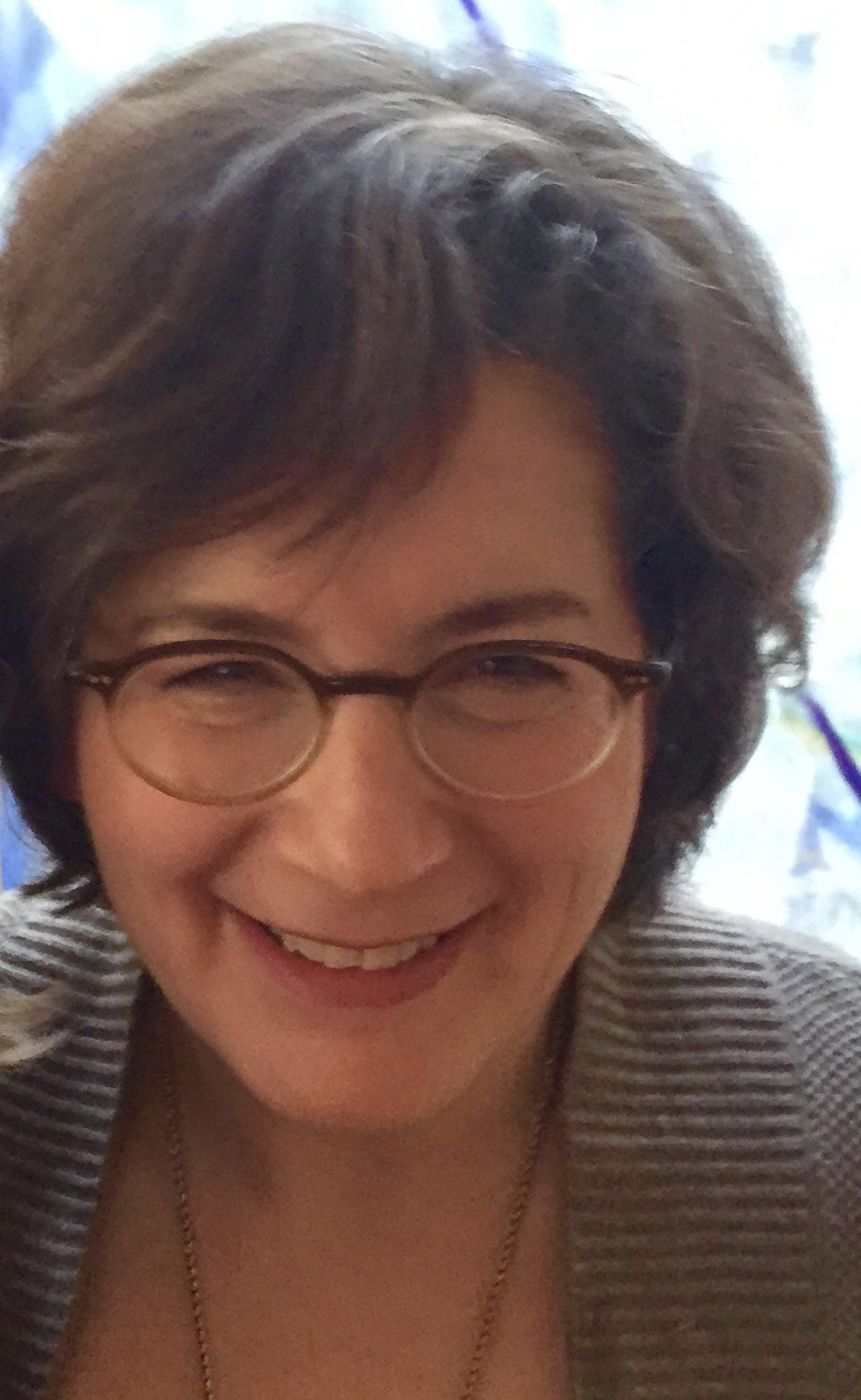
Photos: (top) Mike Geffner. (bottom) Megan DiBello. Photo credit: (top) Jay Franco. (bottom) Mike Geffner. Artwork credit: Edward Cox.
Support for Readings & Workshops in New York City is provided, in part, by public funds from the New York State Council on the Arts, and the New York City Department of Cultural Affairs, with additional support form the Louis & Anne Abrons Foundation, the Axe-Houghton Foundation, the A.K. Starr Charitable Trust, and the Friends of Poets & Writers.