




Beyond Our Borders: Understanding Foreign Rights in Publishing

An agent with twenty years of experience selling foreign rights on both sides of the Atlantic unpacks what can appear to be a complicated and unfamiliar aspect of book publishing.
Tags:
Jump to navigation Skip to content
An agent with twenty years of experience selling foreign rights on both sides of the Atlantic unpacks what can appear to be a complicated and unfamiliar aspect of book publishing.

An author who worked for years as a scribe at the Harvard Business School shares the lessons she learned that can be applied to writing, most notably: Believe that what you do is valuable.

Use your essay to answer the question: Devoting two years to writing can be a dream come true, but why is it your dream?

Audible has announced that machines will begin narrating its audiobooks and translating them into select languages.

If, as part of your graduate experience, you’re interested in contributing your time or writing to a school-sponsored journal, check out this listing of institutions whose MFA programs produce literary magazines.
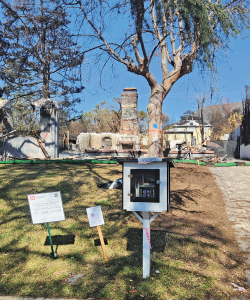
In the wake of the California wildfires, literary community members grieve the loss of public spaces and personal archives, and reflect on the creative relief efforts that offer hope.

For decades, the International Writing Program in Iowa City facilitated transformative connections for its resident writers—but the loss of funding worth nearly a million dollars challenges staff and students to find ways to keep going.
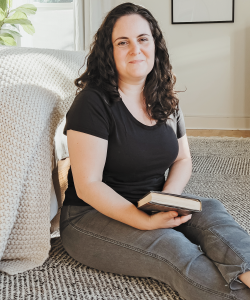
Writing a book is a daunting challenge—but the texts we know and love can help. A nonfiction writer describes how a methodically organized spreadsheet of favorite quotes aided her journey from proposal to finished memoir.

Artificial intelligence has irrevocably changed the paradigm of publishing. A journalist and editor speaks to agents about their thoughts on AI in a professional context, raising questions about contracts, rights, and the nature of art.
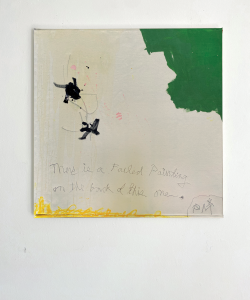
Novelist and graphic designer Peter Mendelsund describes embracing imperfection through the creative practice of painting, including using his nondominant hand, smearing the paint with a trowel, and flipping the canvas.
