



I Would Meet You Anywhere by Susan Kiyo Ito
Susan Kiyo Ito reads from the opening of her memoir, I Would Meet You Anywhere, published by Mad Creek Books in November 2023.
Jump to navigation Skip to content

Founded to support the work of marginalized poets, Get Fresh Books publishes one to three poetry collections each year, selecting manuscripts from a pool of no-fee submissions and solicited work.
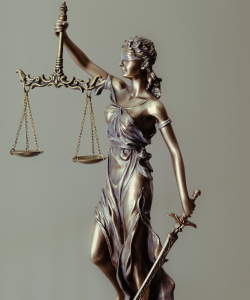
To mimic human writing, AI technologies have been consuming millions of pages of copyrighted literature. Authors have filed several class-action lawsuits accusing AI companies of illicitly using their work and seeking compensation.
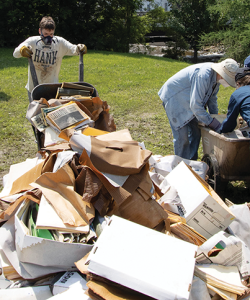
Flooding devastated parts of Vermont in July, including literary organizations and businesses that are now relying on community support as they rebuild and confront more frequent extreme weather events brought on by climate change.
Take a first look at the Apple TV+ series Lessons in Chemistry, an adaptation of the novel of the same name by Bonnie Garmus, starring Brie Larson and Lewis Pullman. The series follows a chemist in the 1960s, whose life takes an unexpected turn when she finds herself a single mother and the reluctant star of a beloved cooking show.
The poems in Dorothea Lasky’s The Shining, published by Wave Books in October, portray the physical and psychological horrors that take place in the labyrinthine Overlook Hotel, the setting of the iconic Stephen King novel and Stanley Kubrick film adaptation. Lasky guides readers into the hotel of her imagination in the opening poem, “Self-Portrait in the Hotel”: “When I checked into this / Godforsaken hellhole / They locked me in the tiny yellow room / With no belongings but my lipstick,” she writes. Throughout the book, Lasky meditates on the many horrors of simply being alive, finding inspiration in the hotel’s high ceilings, the Gold Ballroom, and the final shot of the film featuring a terrifying photograph of the protagonist, Jack Torrance, in the ballroom in 1921. Take note of Lasky’s ekphrastic practice and write a poem that places you in the setting of your favorite film. What conflicts come to mind in this newly imagined world?

