Full Bleed
Full Bleed exists to cultivate that fertile ground where the visual and literary arts intersect. The editors are happy to consider criticism, belle-lettres, visual art, illustration, fiction, poetry, and... Read more
Jump to navigation Skip to content

Full Bleed exists to cultivate that fertile ground where the visual and literary arts intersect. The editors are happy to consider criticism, belle-lettres, visual art, illustration, fiction, poetry, and... Read more

The editors of Sublunary Review welcome poetry, short story, and art submissions from all people and places. Send them your most oneiric, moonlit work.
Established in 2020, the Raven Review is an independent literary magazine dedicated to publishing poetry and short fiction that explores the human experience through dark, atmospheric writing.

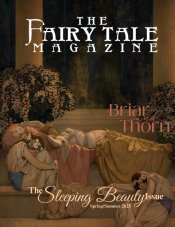
Since 2007, the Fairy Tale Magazine has offered fairy tale lovers a space to publish their own tales, read the classics again, and enjoy classic fairy tale art. Please visit their site to learn about their submissions guidelines... Read more

La Piccioletta Barca is an arts journal publishing: short stories, poetry, prose, essays, interviews, and translations. They will only be receiving submissions through their Submittable profile. The editors do not discriminate... Read more


Foundlings seeks to publish—in paper and ink—the best writing. The press takes its ethic and aesthetic from the Canon Law of the Roman Catholic Church. Not all of it; just Canon 1115, which closes with the provoking observation that “Foundlings... Read more
akinoga press is a Baltimore-based micro press that specialzes in hand-bound chapbooks of a spacious/minimalist/austere flavor, though on the lookout for anything small, quiet, odd, easily-missed, and a hundred percent needs to be read.

Literary Heist gives a voice to transformative writers and aims to democratize the literary and art world. The editors are looking to showcase good work that comes from new and existing writers and artists.

Eastern Structures picks up where Contemporary Ghazals left off, publishing English-language examples of the Middle Eastern form, but now also Korean sijo and Japanese tanka—the latter rendered exclusively in the five-seven-five... Read more