




Ten Questions for Safia Elhillo

“This book really fought me, or I fought it, for the first couple of years.” —Safia Elhillo, author of Girls That Never Die
Tags:
Jump to navigation Skip to content
“This book really fought me, or I fought it, for the first couple of years.” —Safia Elhillo, author of Girls That Never Die

The author of Took House explores a kinder approach to revision, in which language cut during one editorial process may be saved as material for a new writing project.

“Write because you want to, not to define yourself for the benefit of other people.” —Maya Marshall, author of All the Blood Involved in Love

The author of [WHITE] explores the benefits of writing to a specific audience and the risks of trying to meet the market’s imagined demands.
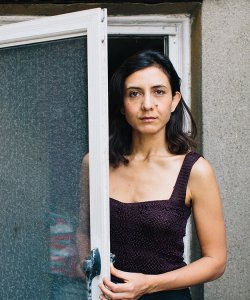
“I was struck by the freedom of third person, how I could roam and jump and skip around, and cozy up to characters and then back away.” —Ottessa Moshfegh, author of Lapvona
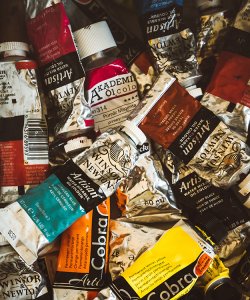
The author of [WHITE] considers how writers might take inspiration from visual artists in their approach to revision, pushing beyond surface editing to “see” their work afresh.
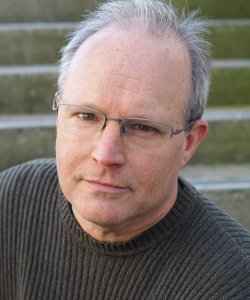
An excerpt from Blithedale Canyon by Michael Bourne, who writes in the July/August 2022 issue about his long path to publishing his debut novel without the assistance of a literary agent.

“I wanted to write female friendship in a way that felt honest to me.” —Christine Kandic Torres, author of The Girls in Queens
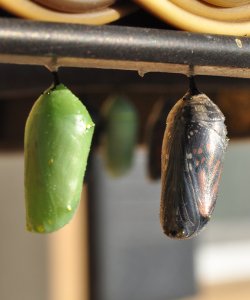
The author of [WHITE] explores how writing outside one’s primary genre can lead to literary breakthroughs.
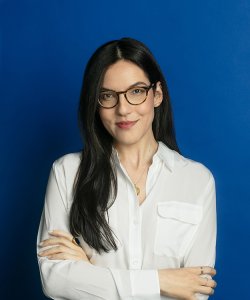
“When you’re in that in-between stage, between starting something and gathering speed, a piece of chipped nail polish is the most riveting thing in the world.” —Sloane Crosley, author of Cult Classic
