Dante Micheaux Wins Four Quartets Prize
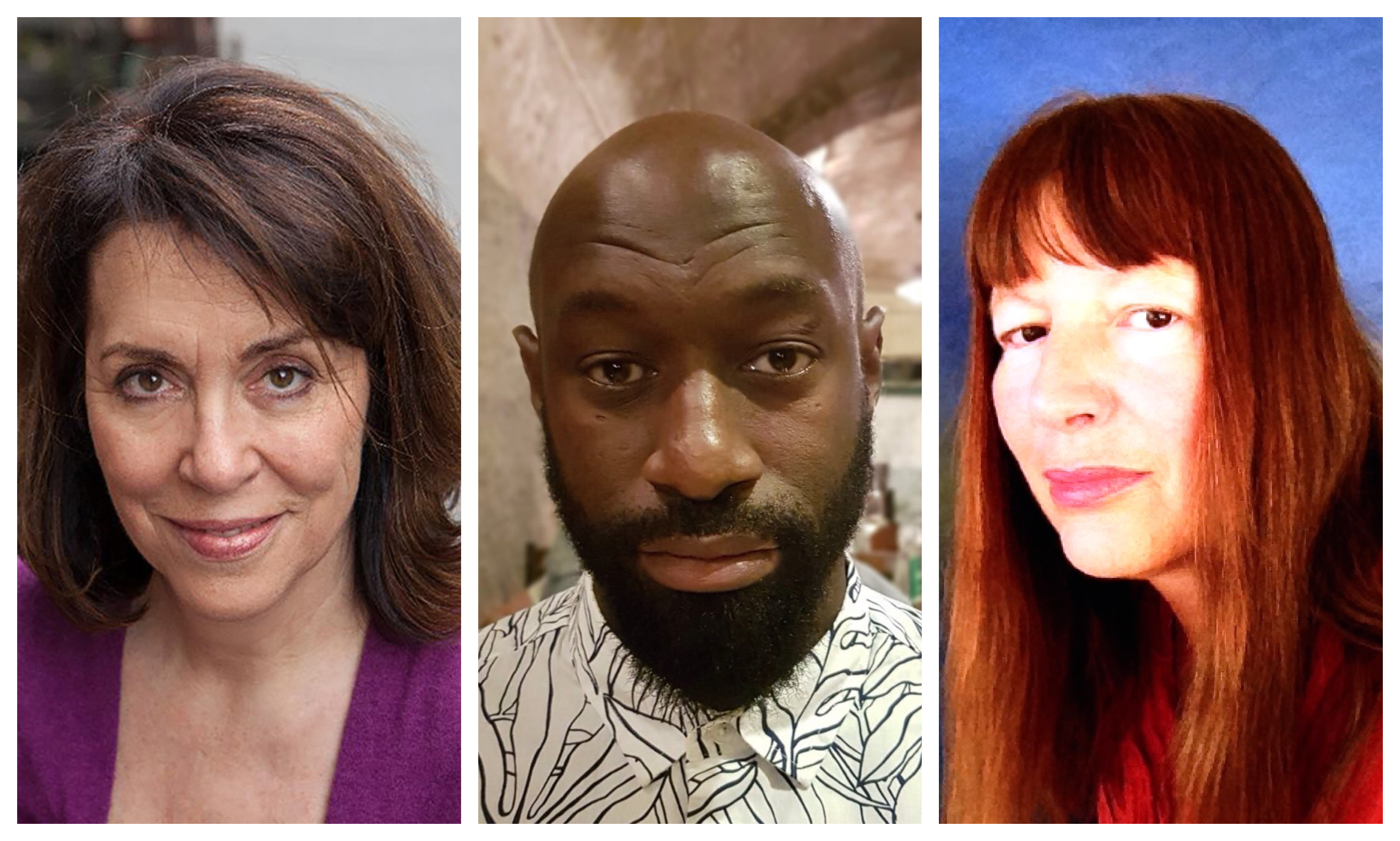
At a ceremony in New York City this afternoon, Dante Micheaux was named the winner of the second annual Four Quartets Prize. Micheaux, who won for his book-length poem, Circus (Indolent Books), will receive $20,000. The annual award is given for a unified and complete sequence of poems published during the previous year. Rowan Ricardo Phillips, Carmen Giménez Smith, and Rosanna Warren judged.
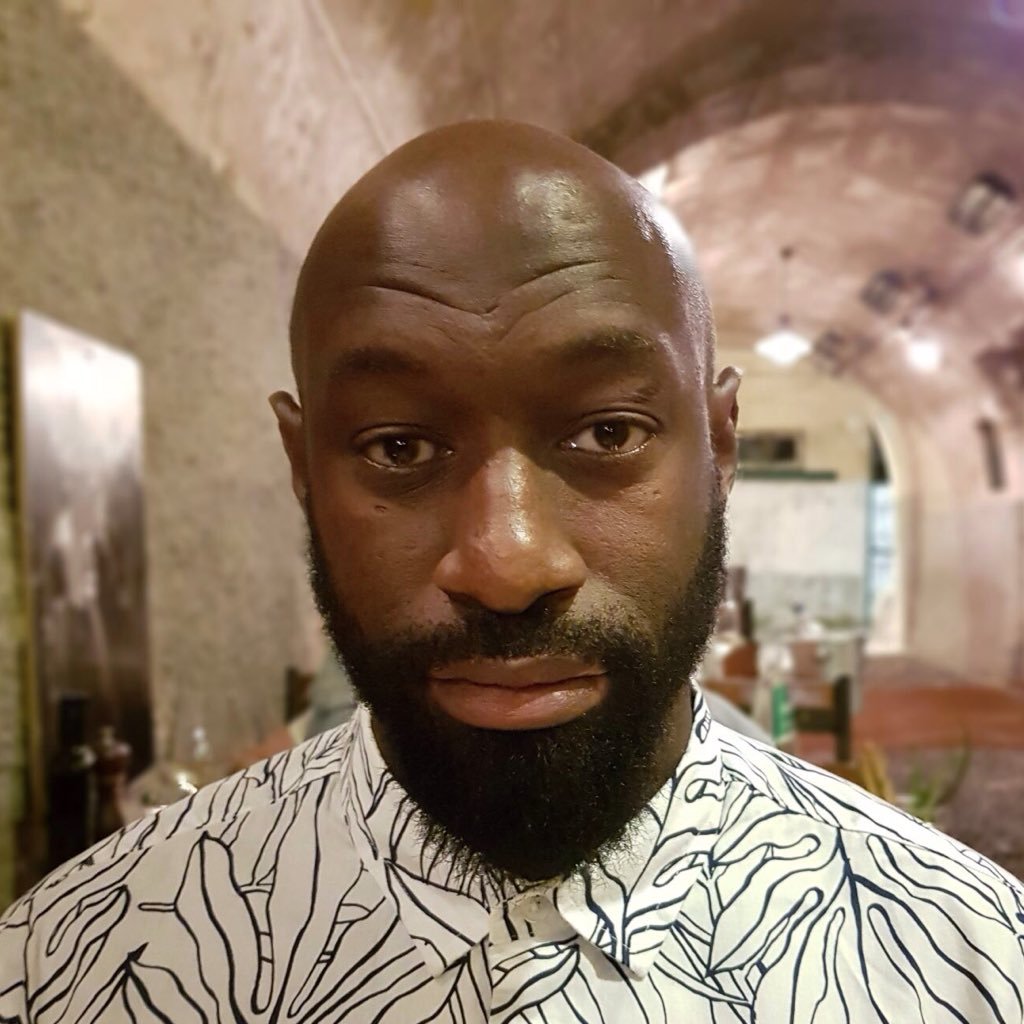
“How right that this poet’s first name should be Dante,” wrote the judges in their citation. “For his Circus is a Comedy: a savage comedy, lacerating dialects, fingering wounds, looking for loves right and wrong in the crevices of history and of humiliated bodies. And yet, and yet. His language exults, triumphs, and freely rummages in the treasuries of the Bible, Baudelaire, Whitman, Eliot, Baraka, and Mahalia Jackson, taking what it needs, making it his sovereign own, a wrested blessing.”
Upon accepting the award, Micheaux thanked his grandmother, saying she “put the pen in my hand, put my hand in her hand, and taught me how to write.” Micheaux also thanked Michael Broder, his publisher at Indolent Books, a small press based in Brooklyn devoted to poetry that is “innovative, provocative, risky, and relevant.” Micheaux is the author of one previous collection, Amorous Shepherd (Sheep Meadow Press, 2010), and has published poems in the American Poetry Review, Callaloo, Poetry, PN Review, and Tongue, among others.
The finalists for the prize were Catherine Barnett for her poem sequence “Accursed Questions” from Human Hours (Graywolf Press) and Meredith Stricker for her chapbook anemochore (Newfound Press).
The Poetry Society of America and the T. S. Eliot Foundation established the Four Quartets Prize two years ago to celebrate the poetic sequence and honor T. S. Eliot’s legacy. Danez Smith won the inaugural prize for their lyric sequence “summer, somewhere” from Don’t Call Us Dead (Graywolf Press).
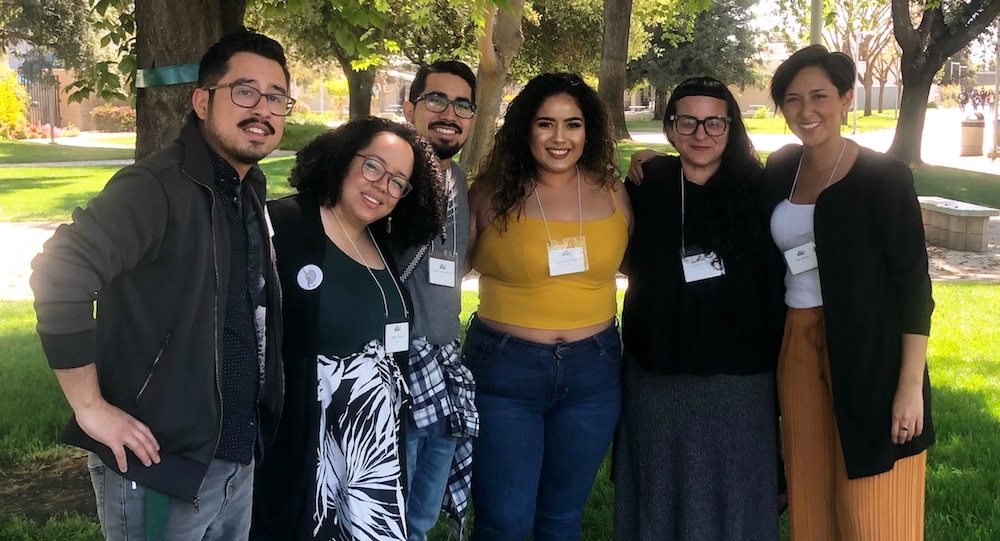
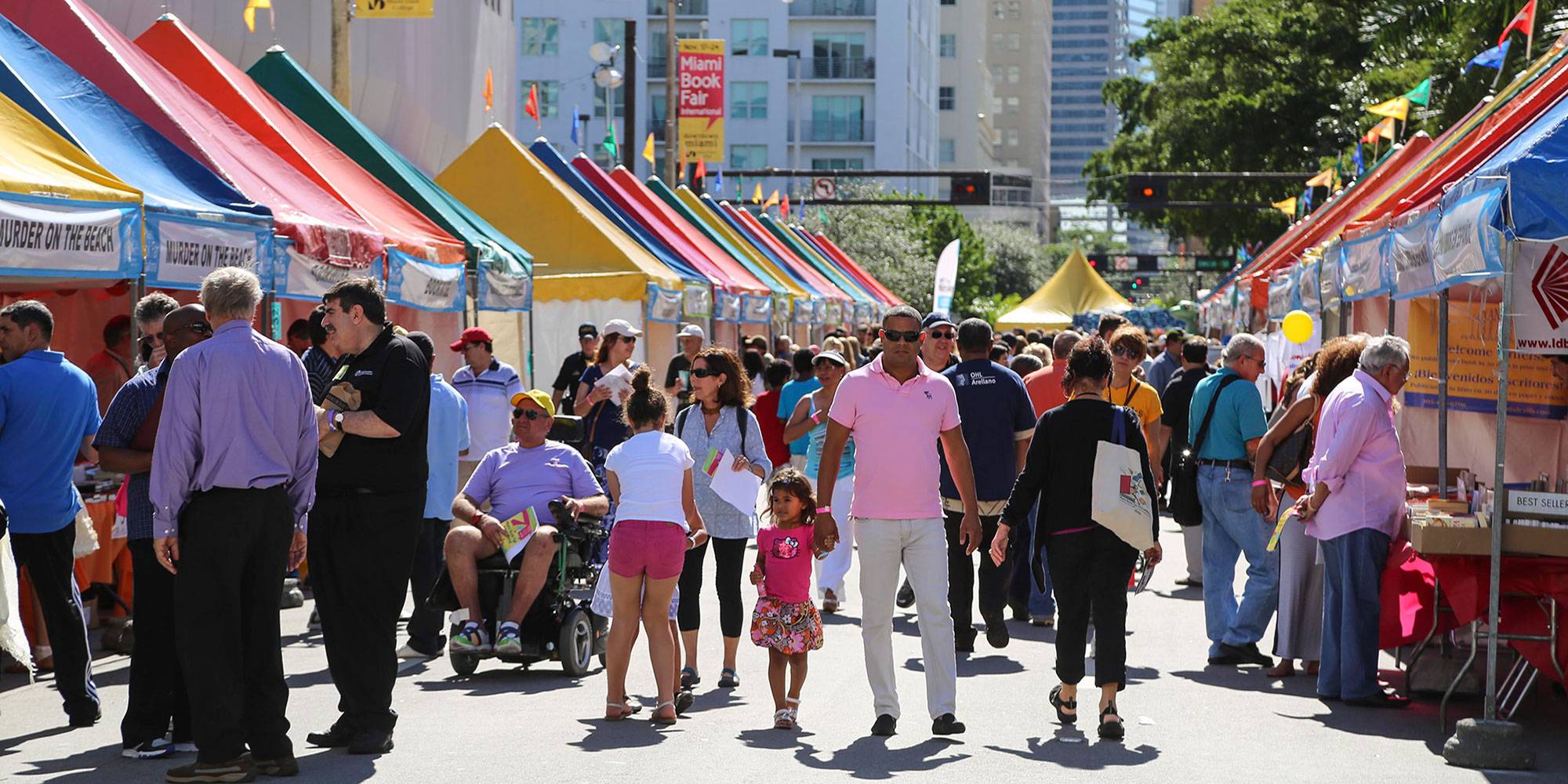
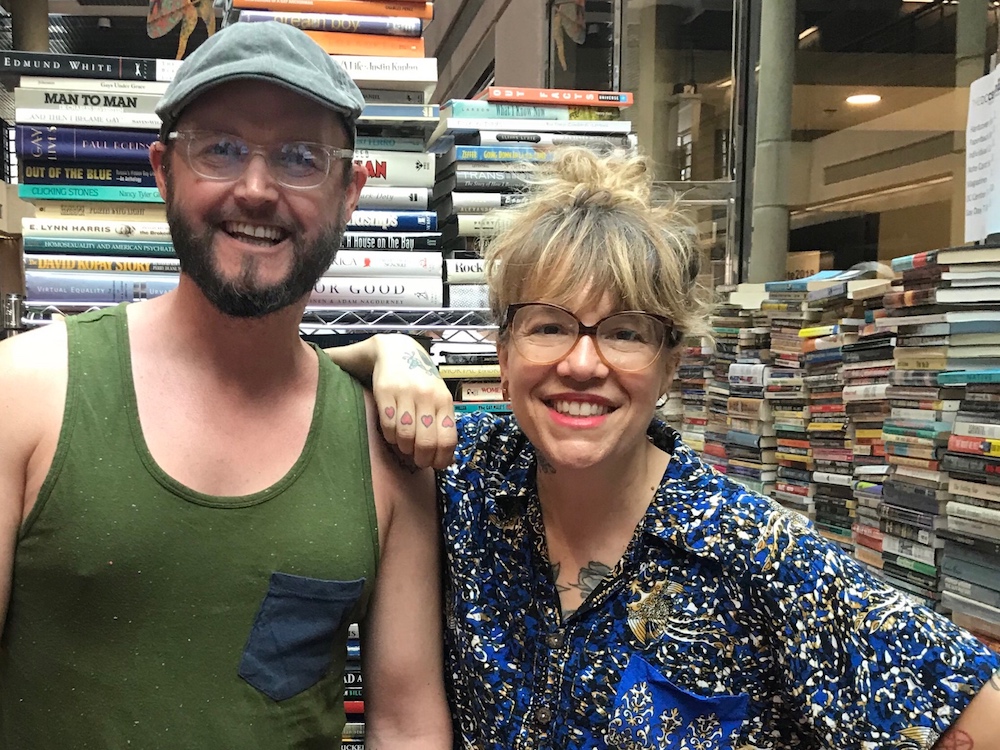 Currently I’m the community chair of the annual OutWrite LGBTQ literary festival, held annually on the first weekend in August in Washington, D.C. I inherited the position from Julie Enszer, the editor of
 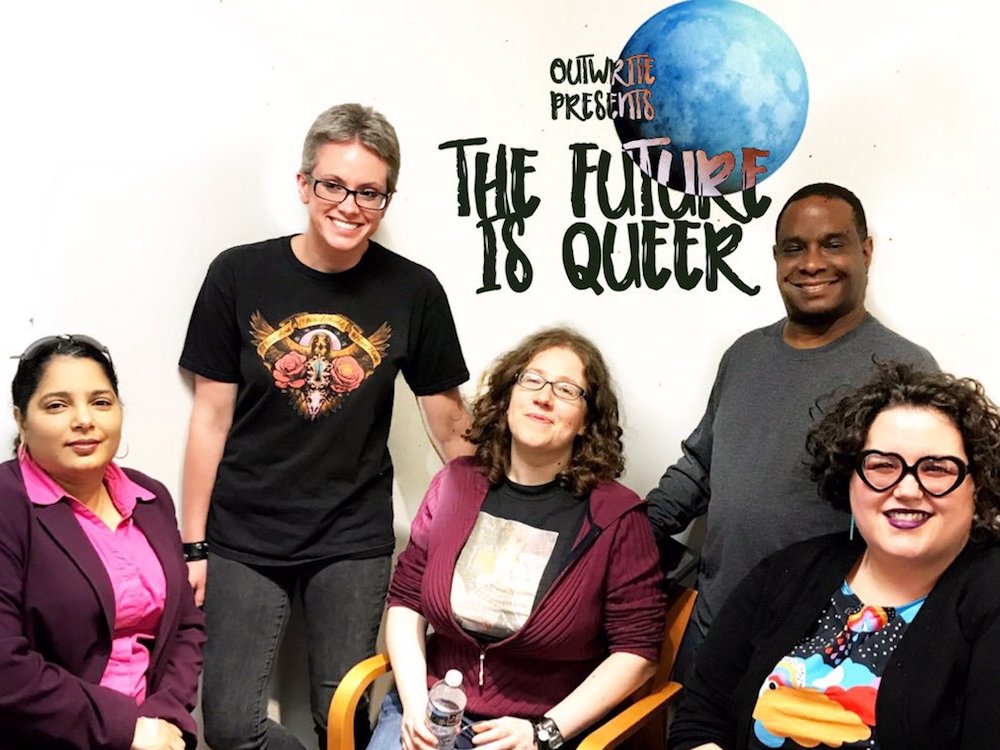 OutWrite events always remind me how beautiful and affirming representation is. Representation can become sanctuary in a reality that frequently erases, elides, or minimizes queer people’s existence, not only in relation to queerness, of course, but all the other identities that they carry with them. Honoring and showcasing those identities has been a gauntlet worth picking up.
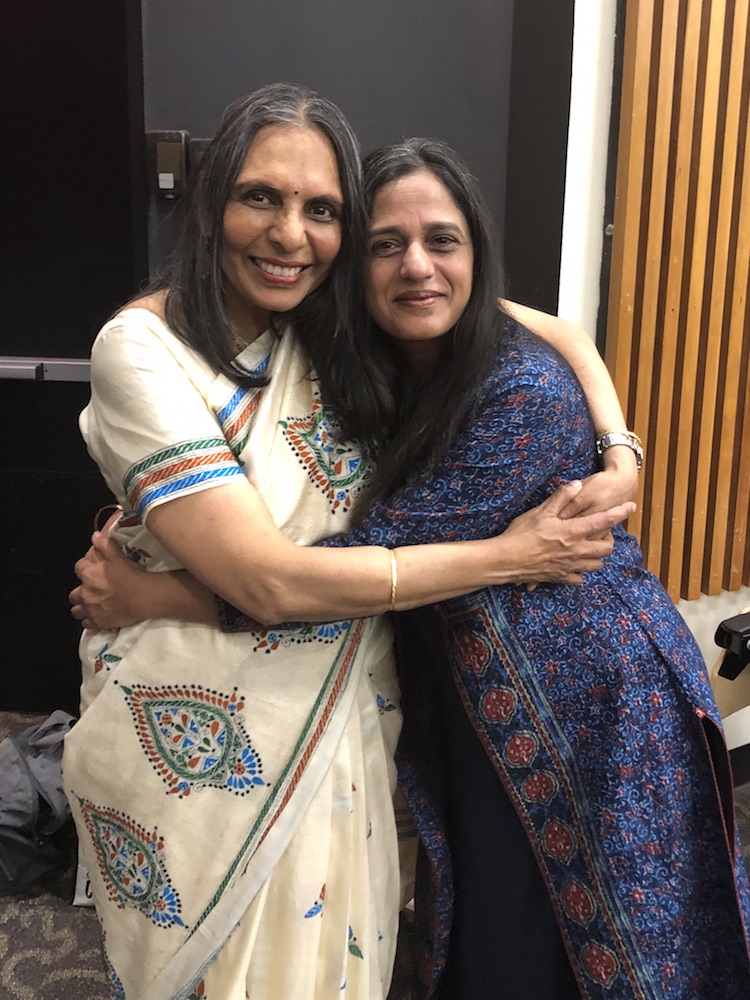 Walking toward the Red Room at the KGB Bar in the East Village for a Matwaala poetry reading, Sophie Naz and I spotted a sign with the words “Waste your money” in front of a restaurant and we burst out laughing. It’s these random things that punctuate one’s flowing experience of the tumult of New York City—and I’d say of Matwaala too. Things that are quirky, like little bolts of lightning in our pedestrian life. Like Salman Rushdie sauntering in at the opening of the Matwaala poetry festival at New York University. Like Yogesh Patel’s whale metaphor to capture the angst of immigration or Sophie Naz’s Russian hat, a prominent sartorial prop at the festival. Like the Matwaala mug, which acts as the physical award given to the poet-of-honor with their lines of poetry inscribed on it.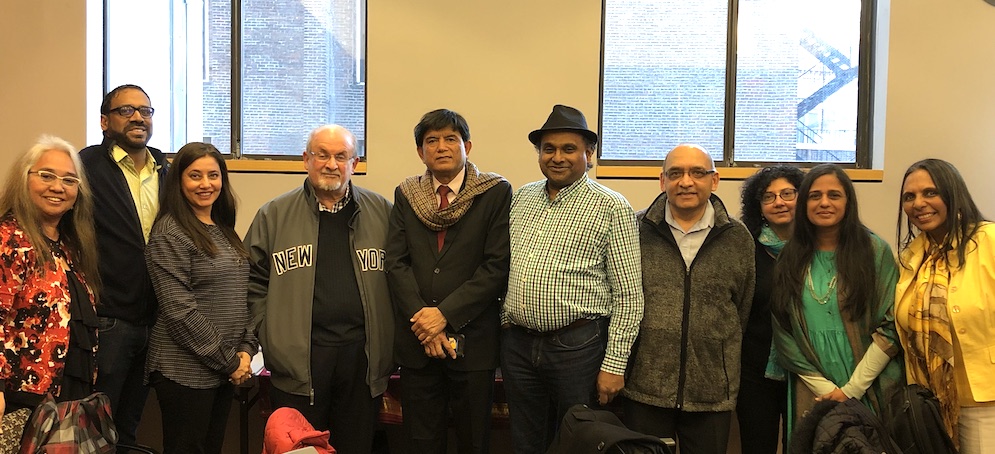
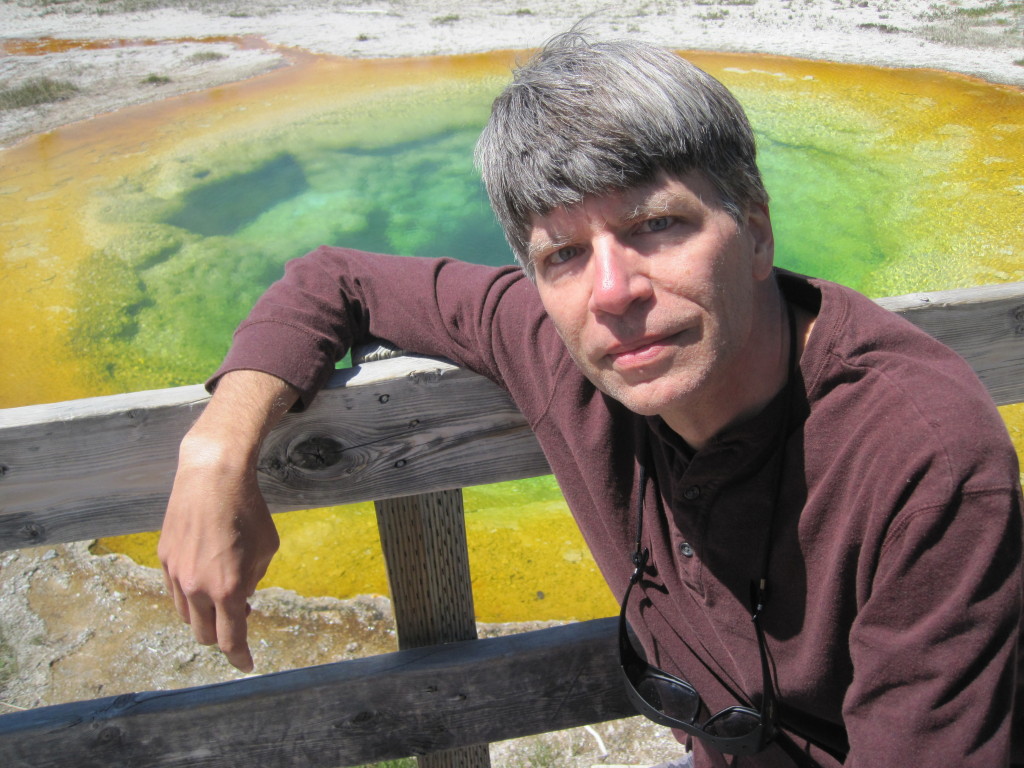
 When I entered the
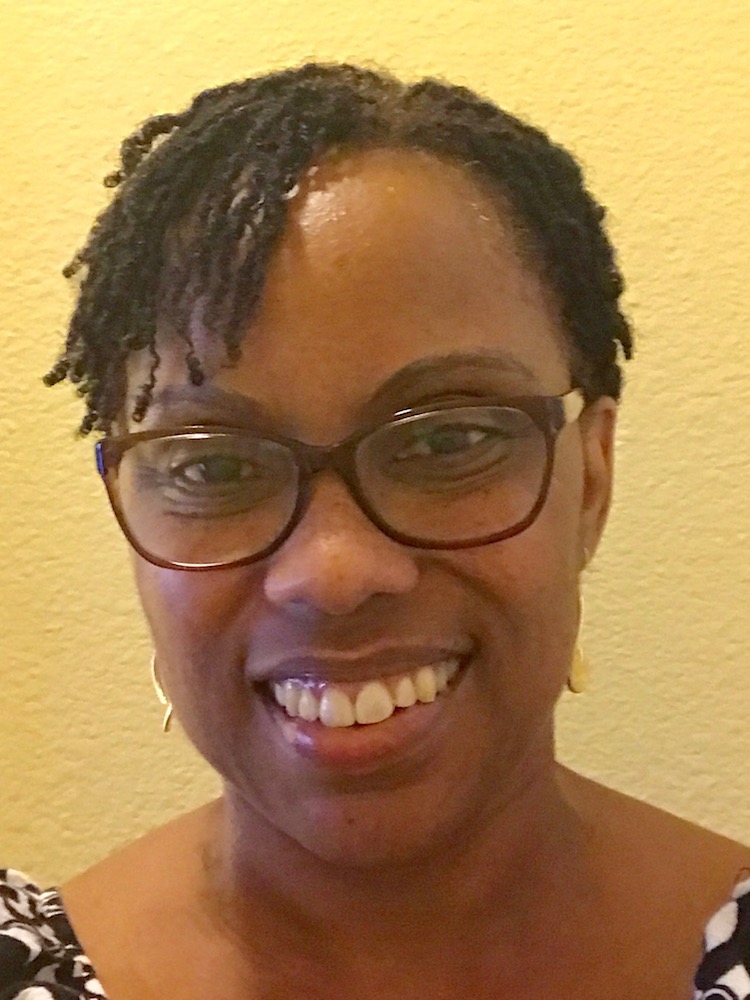 Over a year ago, I began attending the San Bernardino
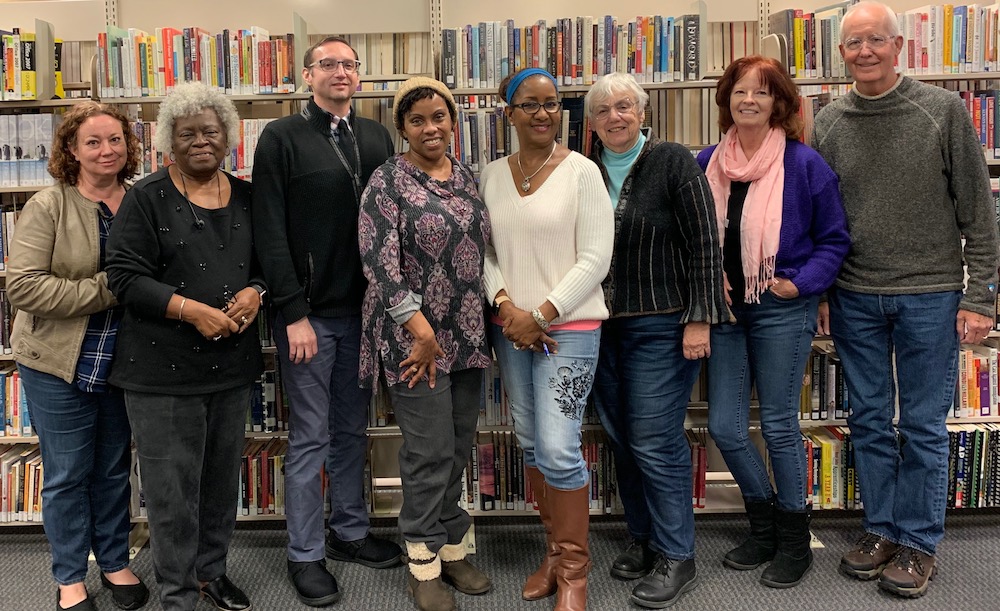
 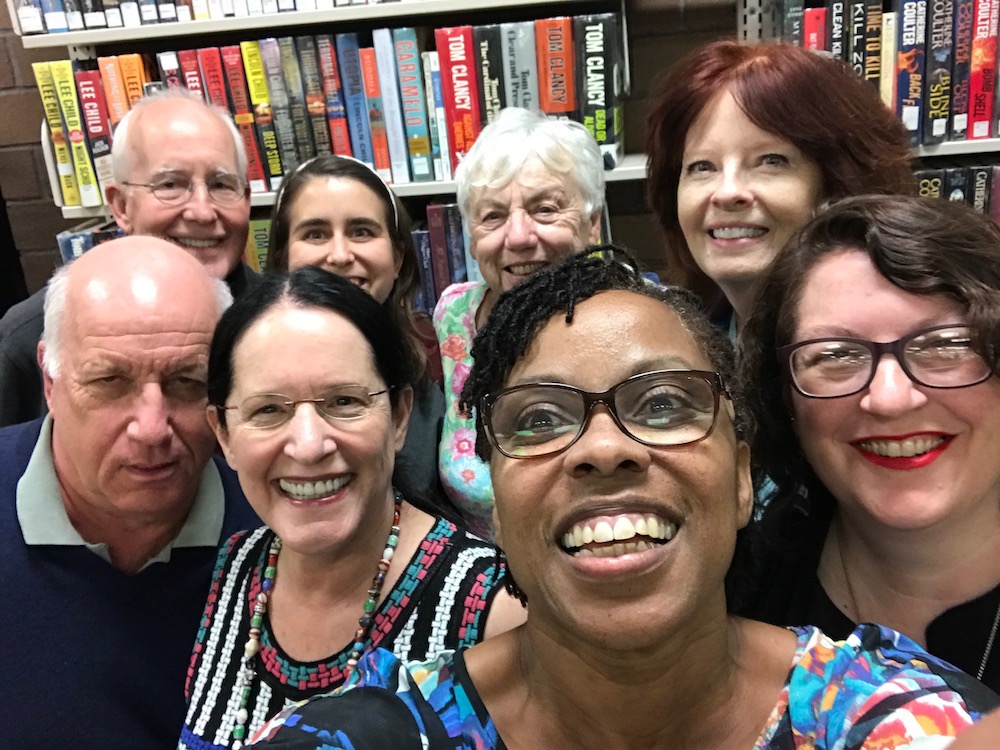 Our workshop participants range in age from mid-twenties to eighties, from college students to retirees. The octogenarian from Germany and the dancer in her twenties who works with at-risk youth have a mutual admiration for each other’s poetry and joie de vivre. The creative process, natural flow in fellowship, and mutual respect makes each meeting memorable.