



December Poetry Deadlines
Poets—as 2017 comes to a close, why not end the year with a bang and submit to a poetry contest? Below is a list of contests for single poems, chapbooks, and full-length collections with deadlines during the second half of December. Each contest offers a prize of at least $1,000 and publication. Happy Submitting!
Deadline: December 20
String Poet Poetry Competition: A prize of $1,000 and publication in String Poet is given annually for a poem. The winner also receives an original music composition by a professional composer inspired by the winning poem, which will be performed at the Awards Ceremony in Spring 2018. Micheal O’Siadhail will judge. Entry fee: $18
Deadline: December 22
Poetry Society of America Chapbook Fellowships: Four prizes of $1,000 each and publication by the Poetry Society of America are given annually for poetry chapbooks by poets who have not published a full-length collection. Two fellowships are given to poets ages 30 and under, and two fellowships are given to poets of any age. Entry fee: $12
Poetry Society of America Robert H. Winner Memorial Award: A prize of $2,500 and publication of a poem on the Poetry Society of America website is given annually to a poet over 40 who has published no more than one book. Entry fee: $15
Deadline: December 30
New Issues Poetry & Prose Poetry Prize: A prize of $1,000 and publication by New Issues Poetry & Prose is given annually for a first poetry collection. The winner will also receive an honorarium of $500 and travel expenses to give a reading at Western Michigan University in Spring 2018. Poets who have not published a poetry collection of more than 48 pages are eligible. Cathy Park Hong will judge. Entry fee: $25
Deadline: December 31
The Moth Poetry Prize: A prize of €10,000 (approximately $12,000) and publication in the Moth is given annually for a poem. Three runner-up prizes of €1,000 (approximately $1,200) each are also given. The winners will also be invited to read at an awards ceremony in Dublin in Spring 2018. Daljit Nagra will judge. Entry fee: $13
Tampa Review Prize for Poetry: A prize of $2,000 and publication by University of Tampa Press is given annually for a poetry collection. Entry fee: $25
Tupelo Press Dorset Prize: A prize of $3,000 and publication by Tupelo Press is given annually for a poetry collection. The winner also receives a weeklong residency at the Massachusetts Museum of Contemporary Art. Entry fee: $30
Visit the contest websites for complete guidelines, and check out our Grants & Awards database and Submission Calendar for more upcoming contests in poetry, fiction, and nonfiction.
If you’re ready to submit right now, check out these contests with deadlines TODAY (12/15/17).
 On a crisp, clear October morning, the three of us hustled down Vesey Street in Lower Manhattan, not wanting to be late for our meeting with Deborah Treisman, fiction editor at the New Yorker. We hurried past chain-link fences, shrouded to obscure what remains undone in the wake of 9/11. We waved away hawkers who propositioned us with memorial tours. We tried not to think about going up thirty-eight stories in the One World Trade Center building.


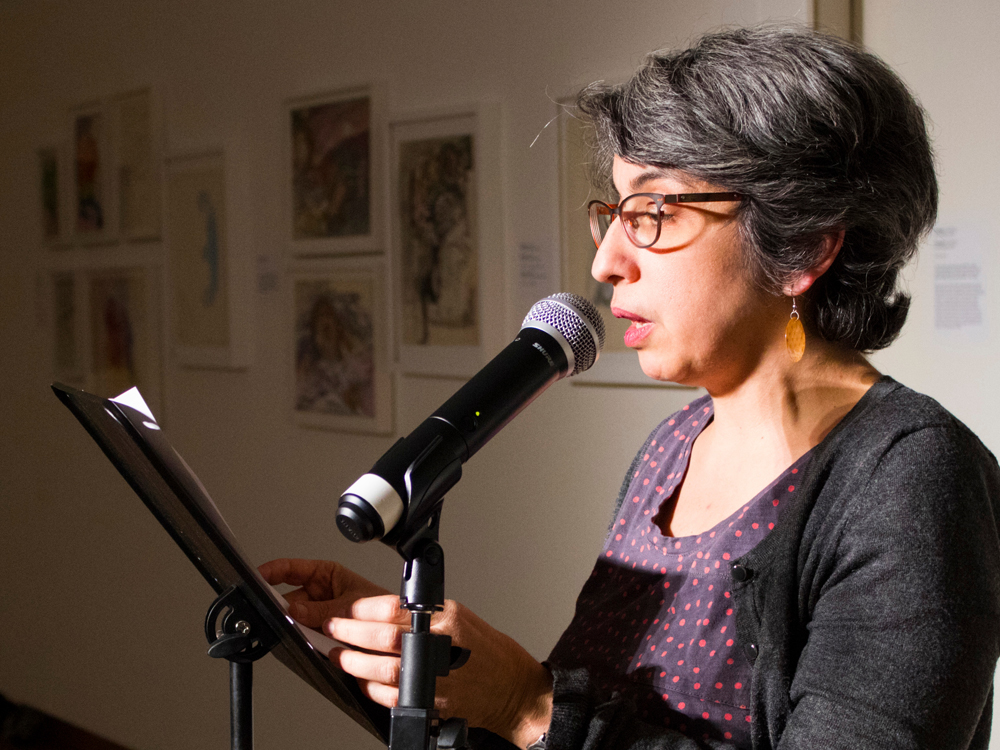 Sitting at a folding table at the
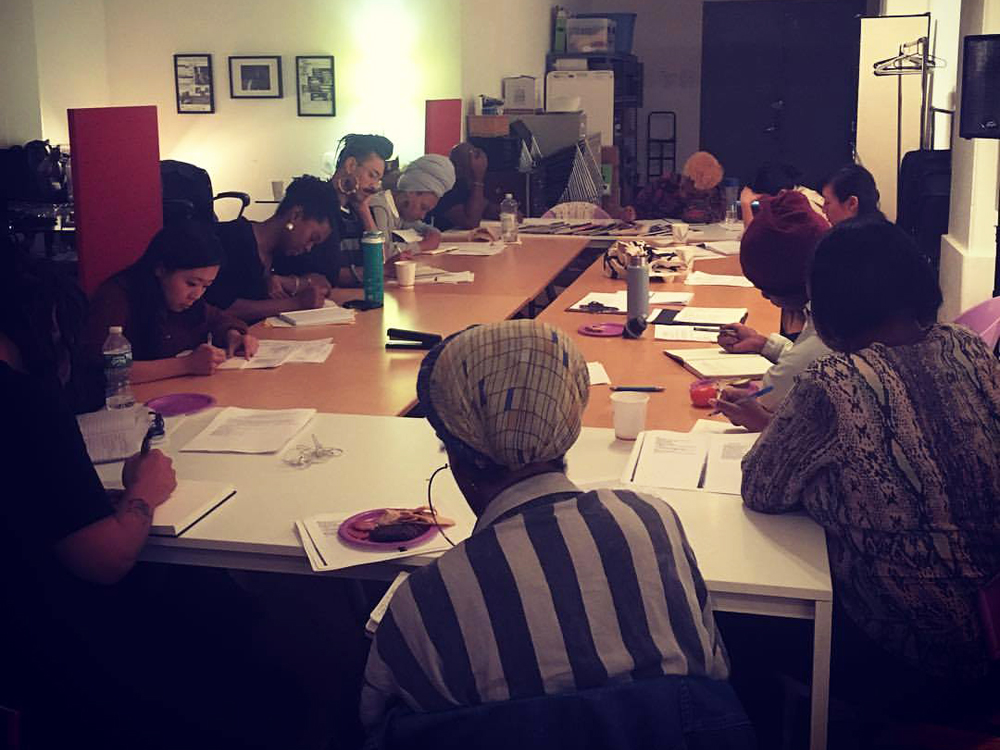
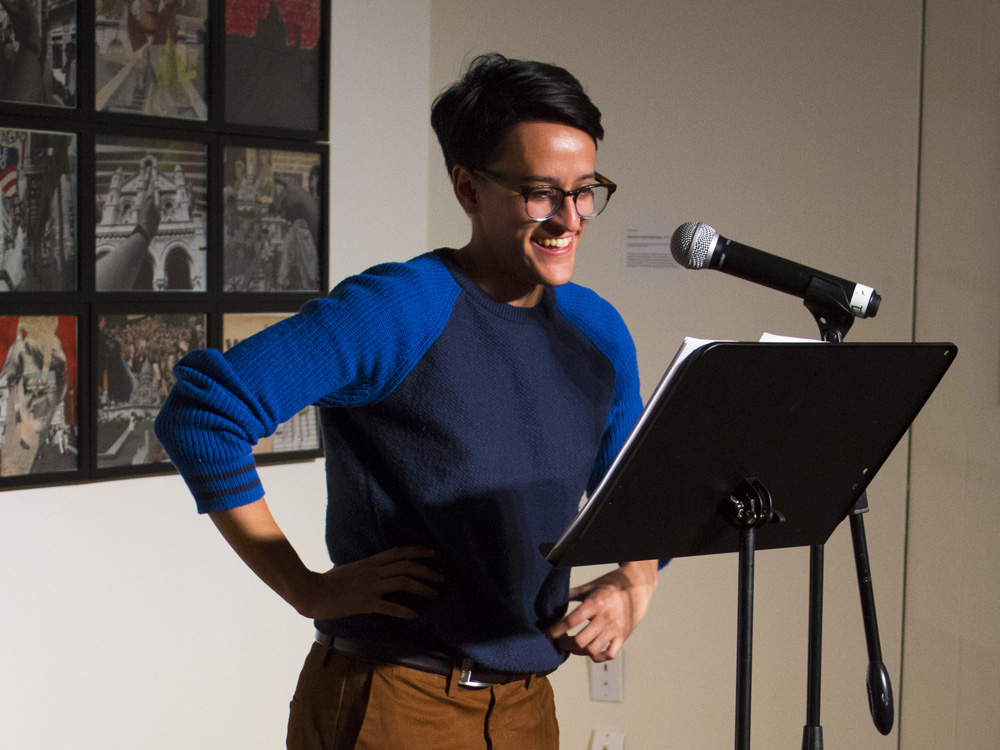 The gallery walls are hung with images of naked bodies. Workshop participants, women and nonbinary, introduce themselves. A pattern emerges: They want to reconnect with their writing. They have felt alone in the current political moment. They have wanted a place where they can be all of who they are—in race, culture, religion, and identity—and where queerness is not the otherness in the room. Someone asks, “When we discuss the texts, do we have to analyze them, or can we talk about the feelings and experiences they call up in us?” Over the next few weeks, our conversations crackle and spiral, one person’s thoughts inspiring a response in someone else; people want to talk about their lives with each other as much as they want to write.
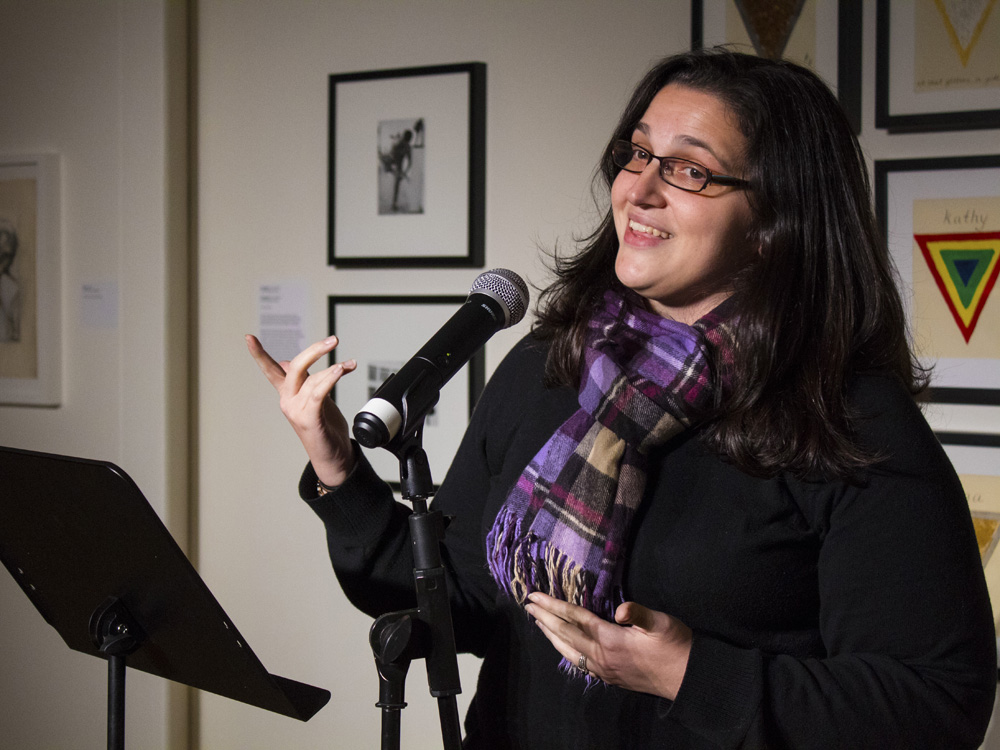 When someone asks, “Can we read non-American or non-Western texts?” I ask for their input. At our final workshop two folks bring in a nonfiction story called “The Woman Who Loved Women” from The Good Women of China: Hidden Voices (Anchor, 2003) by Xinran, and a science fiction short story called “The Worldless” about a genderless future by Indrapramit Das. As the pair discusses what compelled them about each piece, I realize that we all make our own queer herstories, shaped by the spaces we form together. The words of the authors we have read these past weeks are actually in conversation with us...and we speak back to them.
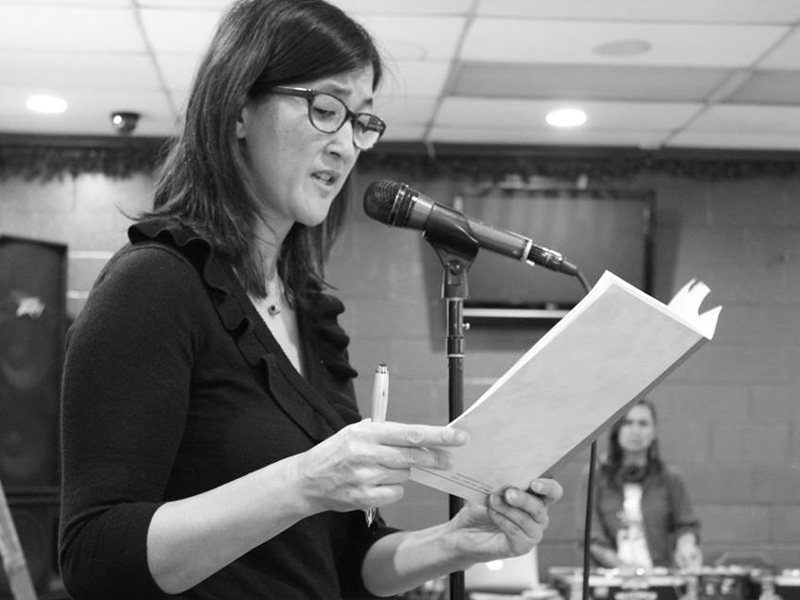 Since the 1950s, South Korea has produced approximately two hundred thousand overseas adopted Koreans. As we’ve entered adulthood, gathering and connecting through our shared experiences have played important roles in our identity formation and well-being. For some, writing has been a means to navigate our adoption journeys, which at times can be very isolating geographically and emotionally.
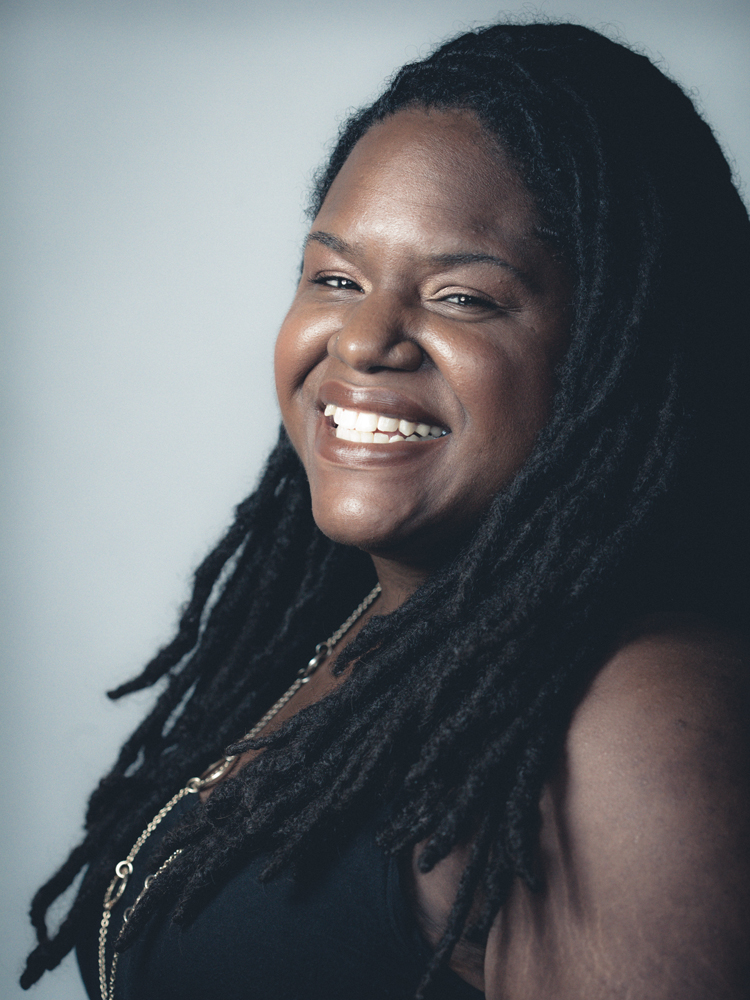 I have been an alumna of the Cave Canem summer retreat since 2008, and had the opportunity to participate in smaller New York City workshops in 2008 and 2009. While the summer retreat is life-changing and affirming, and provided me with a long roster of lifelong friends in the poetry world, the prolonged space(s) with Myronn Hardy and Tracy K. Smith as facilitators provided me with a framework of what a community workshop could look like, how to be rigorous readers and writers in an after-work, weekly setting, while also building community. Cave Canem, for me, is about building a community of people who will sharpen your poeming pen.
 For those of us who live with disabilities, when we think of access we mostly think of physical access: ramps, lifts, and technological aides. But cultural access is just as essential as physical access to an inclusive society.
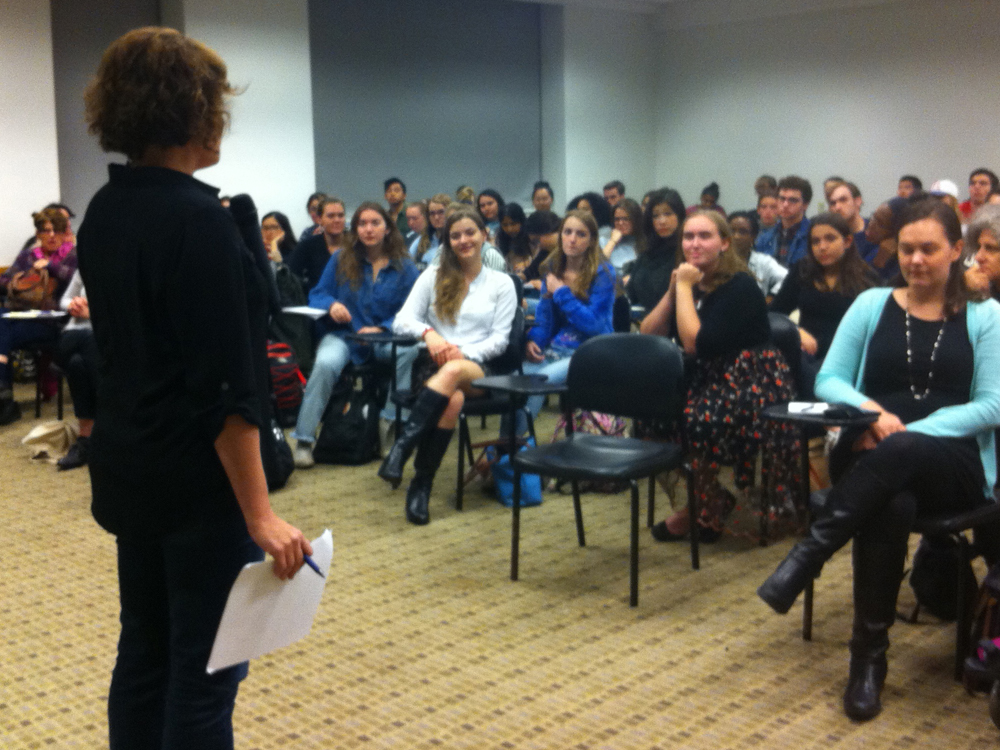 At Georgetown University I helped inaugurate a disability studies minor, which draws on course offerings ranging from anthropology to English, to nursing to theology. I read from and talked about In the Province of the Gods both at a packed event open to the public, as well as in the more intimate setting of a freshman seminar titled “Disability, Culture, and the Question of Care.”