




Lisa Bowden and Kore Press: Publishing for Progress
Lisa Bowden is the publisher and co-founder of the P&W-supported Kore Press in Tucson, where P&W has been supporting literary events since 2008. A poet who works with dancers and musicians, she is also an award-winning book designer and currently serves on the advisory board of Girls Write Now. A graduate of the University of Arizona, Bowden has made her home in Tucson for nearly three decades.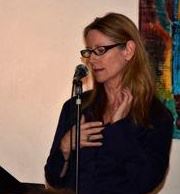 What makes your press and its programs unique?
Kore is one of six presses left in the country dedicated to publishing the intellectual and creative work of women writers. The press is also entering its nineteenth year, which is a bit of a coup for a small, nonprofit house.
In addition to publishing, we have educational and literary activism projects that take writing off the page to engage the public in innovative ways. For example, we just completed a Big Read using Emily Dickinson as our focus of inquiry to help heal our city after the 2011 shootings. We collaborated with forty organizations, businesses, and individuals to reinterpret Dickinson's work and find new ways of reading and writing (using dancers, musicians, actors, students, libraries, pastry chefs, the bus system, translators, a videographer, visual artists, etc.). P&W helped fund a writing workshop by visiting poet/art critic Eva Heisler.
What recent projects have you been especially proud of and why?
We adapted the book Powder: Writing by Women in the Ranks, from Vietnam to Iraq to the stage. We used the production, “Coming in Hot,” as a tool for civil discourse by touring it in high schools and non-theater venues to get people talking about difficult issues women face in war times.
Kore also runs an after-school writing-as-activism program for teen girls and transgendered youth to help them get their story into public circulation. Most recently, the girls created a short film based on peer interviews exploring issues of sex and identity, which screened in our local independent movie house.
What’s the most moving thing that’s happened at an event you’ve hosted?
After watching our play, female veterans who had never been able to talk about their experiences overseas felt a catharsis and liberty to speak. One female veteran, who ended up following us as we toured the play to high schools to answer students's questions, said that seeing the play and working with us saved her life.
How has literary presenting informed your own writing and/or life?
I am honored whenever I'm listed as a reader or speaker at someone else's literary program, as I know how hard the work is! After doing so much of the same work myself, it's always nice to be on the other side. It's also heartening, as a writer, to participate and learn from fellow presenters and writers. It's such a rich writing community we have in the United States.
What do you consider to be the value of literary programs in your community?
Tucsonans are fortunate to have both the University of Arizona and the Poetry Center in our city, as well as many non-university/institutional literary organizations that do a variety of programming. We are steeped in literature of all kinds. We relate with and through a love of words, understanding, and staying in positive conversation with our crossroads culture and western borderlands.
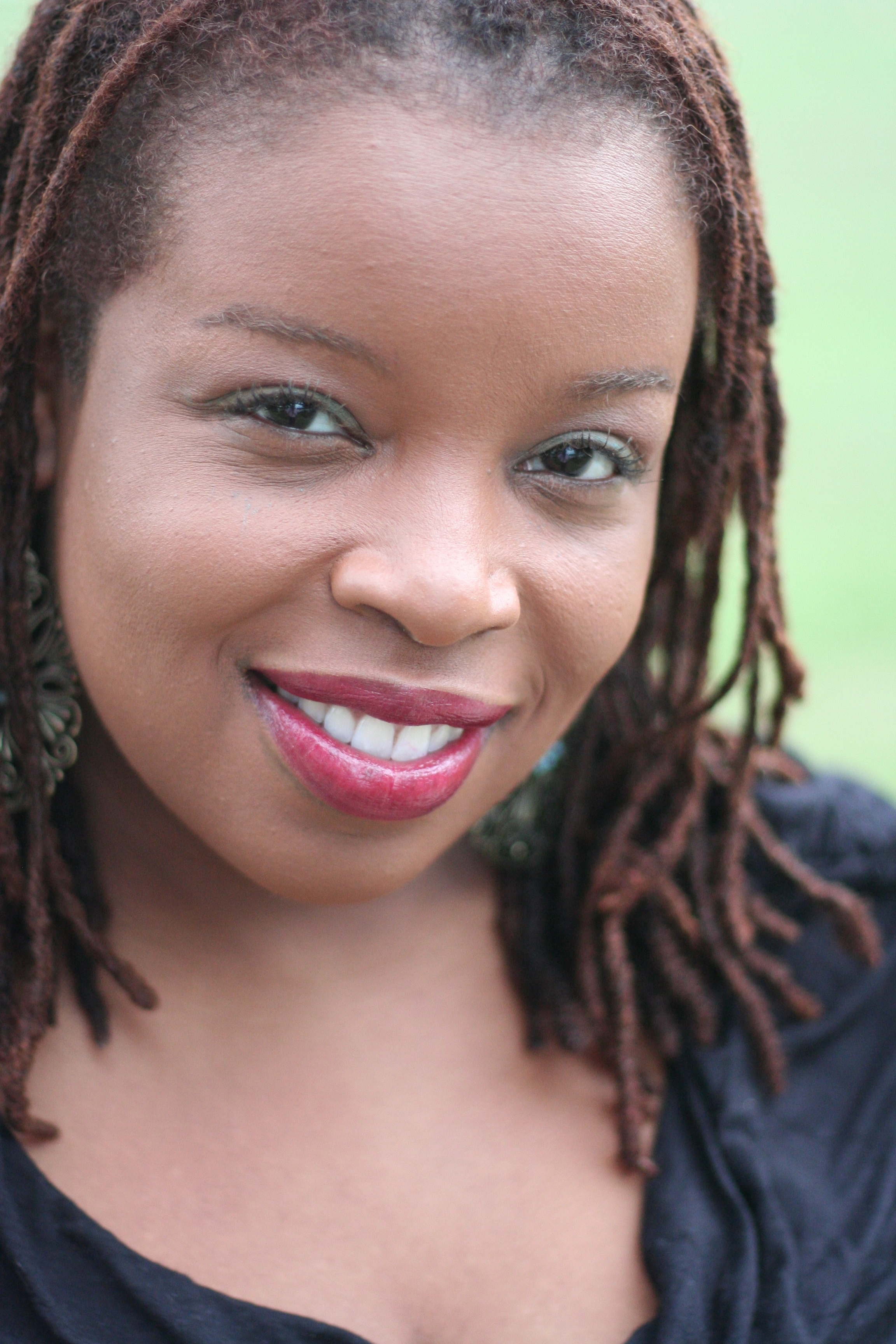
Photo: Lisa Bowden. Credit: Sam Ace.
Support for Readings/Workshops events in Tucson is provided by an endowment established with generous contributions from the Poets & Writers Board of Directors and others. Additional support comes from the Friends of Poets & Writers.
 Another exciting literary journal published in San Diego is the P&W-supported
  What they meant was: "Which college are you teaching at?" I'd been teaching college in New York City, and with my publishing credits, people assumed I must be at a college there. It still mystifies me how people can believe that teaching eighteen-year-olds at a college is prestigious and important, while teaching seventeen-year-olds or seventy-year-olds in the community isn't. At one of the first readings I did in Buffalo, I was introduced as having poems in the Atlantic Monthly, and Harper's, which made someone say, "What are you doing here? "
 One Red Hen book I read recently moved me, the new novel by P&W-supported writer David Matlin, “A HalfMan Dreaming”—a second installment in his epic trilogy about the beauty and violence of the American landscape. Lupe, a protagonist is taken from the world of rose farms and egg ranchers in post-World War Two America, from a town haunted by the Enola gay and the nuclear Bomb, to prison in Detroit. The book is as terrifying as it is gorgeous, with beautiful, sensuous prose.
 To write about their struggles, Johnson said, the participants had to have their “hearts wide open.” She asked that audience members reciprocate.
  The work the press has done in barely one year is really astounding. The Anna Swir book, Building the Barricade, is a brilliant translation by Piotr Florczyk, who is fast becoming one of the best Polish translators. This book is filled with eros and witness.
 Meltzer's lines maintain haiku density throughout the work. In "California Dreamin" Meltzer riffs on his Bohemian days in the Golden State, celebrating Anita O'Day, Lord Buckley, Miles Davis, Coltrane, the Troubadour, and Hollywood Boulevard.
 Her sharp poetics always hit with musicality, which is a great fit for the
  What is your most successful literary program?
 On especially felicitous occasions, you get both, the audience and the person who walks away changed. Take last year's
  In 2005, Daaood's The Language of Saxophones was published by
 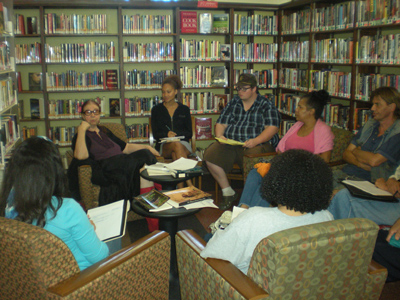 The writing workshops were a wonderful asset to the community and to the city. Writers came from all areas of the city to participate in these workshops. It was wonderful to hear and see the enthusiasm expressed by the participants. As I watched them listening to Lee’s instructions with concentrated attention, I could see that they could not wait for the time when they would be able to read their own work to the group. As each took his or her turn, the others listened and made suggestions for improvements. The ideas for improvement were discussed and rationale explained. Then Lee gently presented her own suggestions for improvements.
 Pinkie Gordon Lane. I'm told she was a gentle woman, a painter, a nature and dog lover, a writer, and a demanding instructor. Her poems walk a lyrical tightrope, never falling into sentimentality.
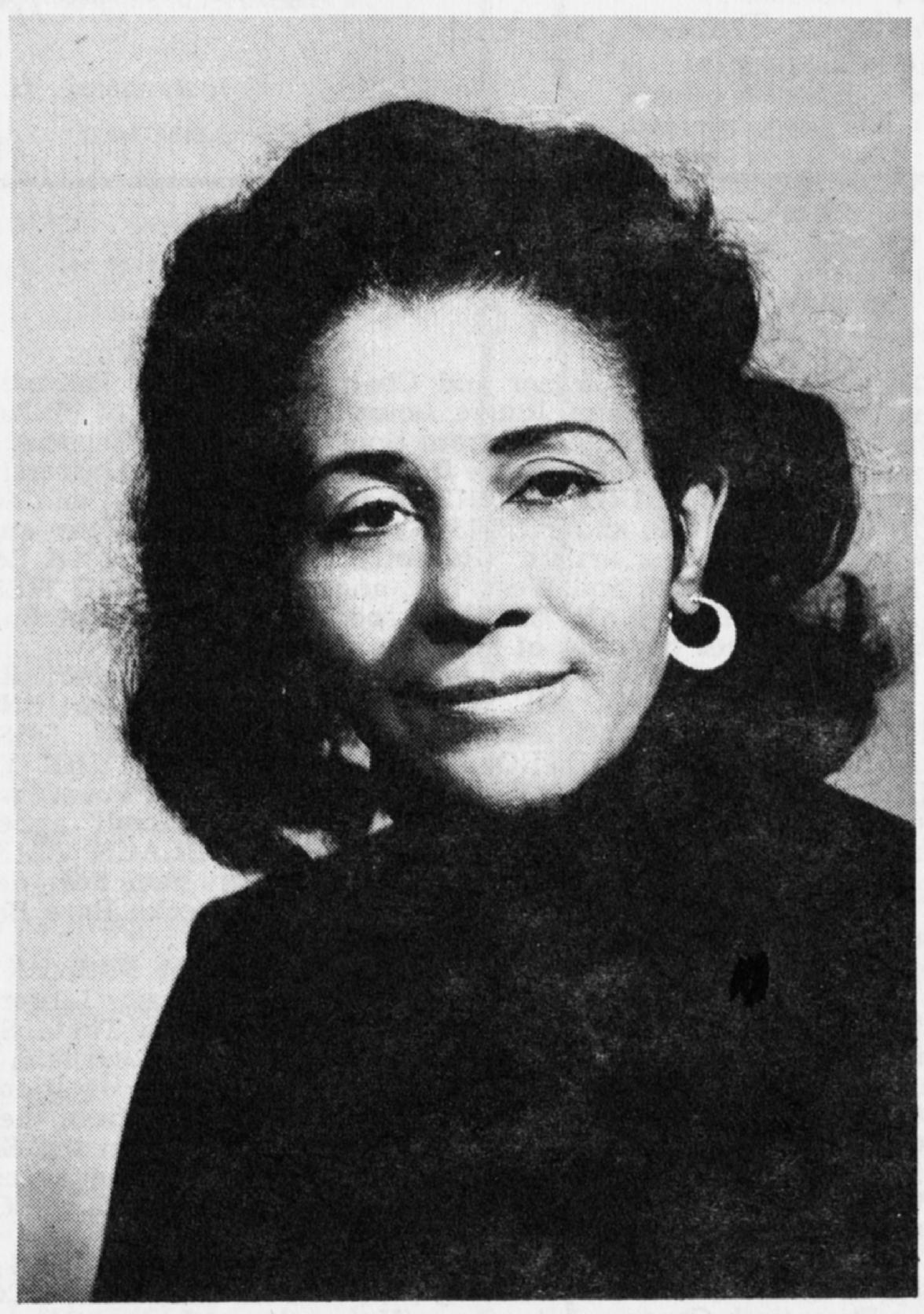 Her poem, "Lyric: I am Looking at Music," was featured in the 1997 motion picture,
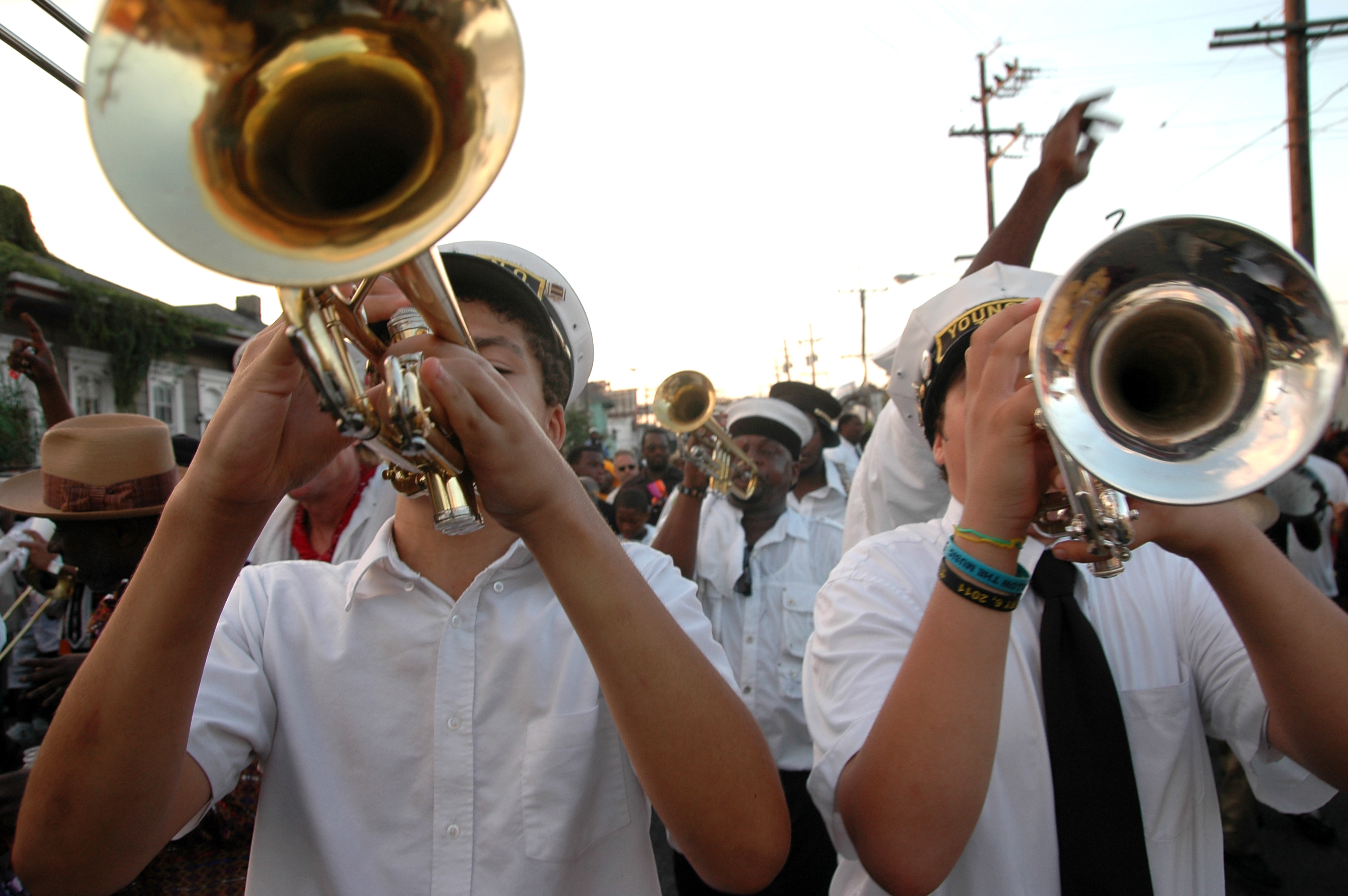
  New Orleans is not a quiet place. It occupies you. Since moving from the Midwest (Cleveland, Ohio) to the South, I've had to adjust how I write. Some family members have wondered how I could be a candidate for marriage because I seemed eerily comfortable as a loner. My husband is always amazed at how often I leave my phone at home on purpose. There's a reason... I'm easily distracted. With so many stimuli, I wonder how poets find useful silence.
 The Moonwalk: This paved sidewalk beside the Mississippi River has nothing to do with Michael Jackson. It's called the Moonwalk in honor of former mayor Maurice "Moon" Landrieu. From here you see the Crescent City Connection Bridge connect the east and west banks of the city.