




Michael Medrano on the Random Writers Workshop
P&W–supported poet Michael Medrano will blog about the literary climate in California's underserved Central Valley throughout the month of July. Medrano is the author of Born in the Cavity of Sunsets (Bilingual Press 2009). His poems have appeared in Askew; Bombay Gin; The Cortland Review; The Packinghouse Review; Rattle; and The Yellow Medicine Review among other publications. He is the host of Pakatelas, a literary radio show, streaming worldwide at www.kfcf.org, and hosts the Random Writers Workshop in Fresno, California.
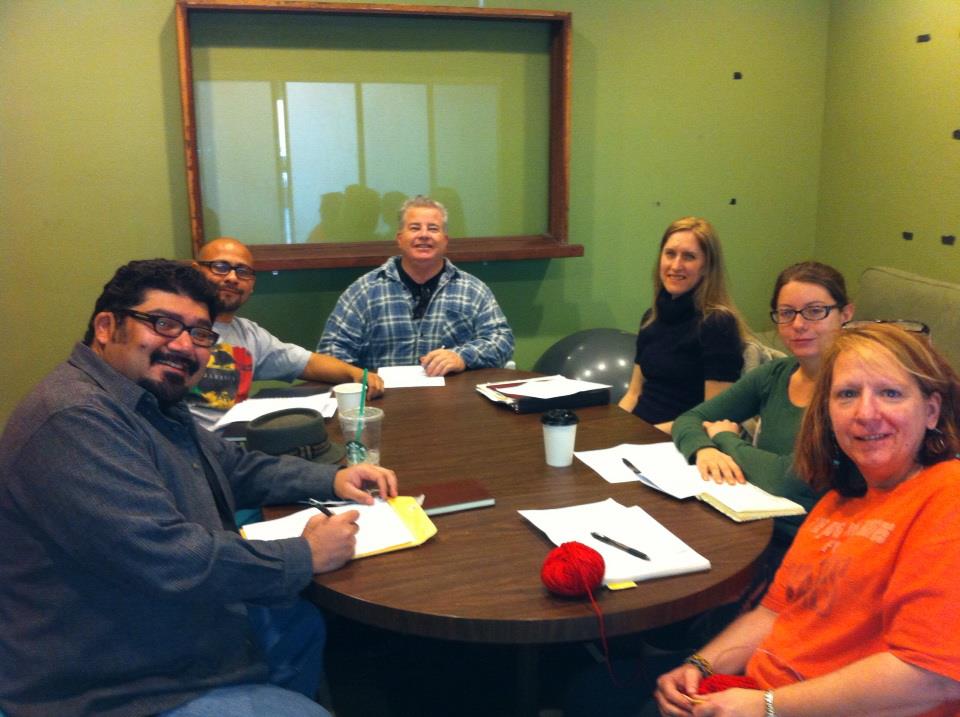
When Bakersfield author Nick Belardes approached me on starting a Fresno version of the Random Writers Workshop, In N’ Out Burger came to mind. Actually, I was quite honored when Nick approached me. Ironically, he asked me over burgers in some truckers diner off the 99 where I did a reading the night before. When I left home to come to Fresno I thought long and hard about the idea of being my own boss; the entrepreneurial spirit is not usually associated with poets who are rarely paid their worth, but the idea of contributing to my writer’s community by providing a service greatly appealed to me.
Back home I drafted a mini-business plan and sent it to Nick. A few tweaks through email and a side-order of sweet literary banter, (something about me running to catch a nearly departing train Nick found terribly funny), and I was ready to launch the Random Writers Workshop de Fresno!
Part of the plan was to keep the format accessible in order to attract more participants. So, I kept the cost of attending relatively low and opened the format to all levels of writing ability. I must admit, being open to beginners and veterans of craft, published even, scared me a bit. What if rookie poets felt intimidated by the master poets? What if master poets felt bored writing with the newbies? What if I sucked as a teacher and my writing exercises were about as popular as a veggie burger at Mickey D’s? What if, right? But here’s the deal: if all I had were what ifs, I wouldn’t have all those poems I wrote during the workshop (because I do participate in the writing exercises) under my arsenal. Yes, teaching workshop has not taken me away from my writing; in fact, it has even taken my current manuscript into directions I could not imagine!
But the Random Writers Workshop would not be possible without the students. Remember my anxiety about pairing rookies with veterans? Well, I have seen these new poets step up, in their own resilience, to become better writers. And my master poets, a couple who are recent and current MFA creative writing students, have grown to become models for the workshop.
Sure, some of the faces and their stanzas blur like rush hour during the travel season, but the students who have chosen to bear through the critique of their poems have shown a resiliency that begs for notice. During the past year, these Random Writers have written countless drafts, an occasional gem, even poems that are just not good. But this group here, they keep coming back. They’re developing their chops! Sure, their literary experience is about as diverse as a California menu, but they, without realizing it, are creating valuable writing habits that will stay with them for as long as they’ve got poems to write. Someday, who knows, maybe there will be workshop locations spread across the country: Welcome to Random Writers Workshop, may I take your order?
Photo: Michael Medrano.
Major support for Readings/Workshops in California is provided by The James Irvine Foundation. Additional support comes from the Friends of Poets & Writers.
 n a collaborative workspace known as The Hashtag in Fresno’s
 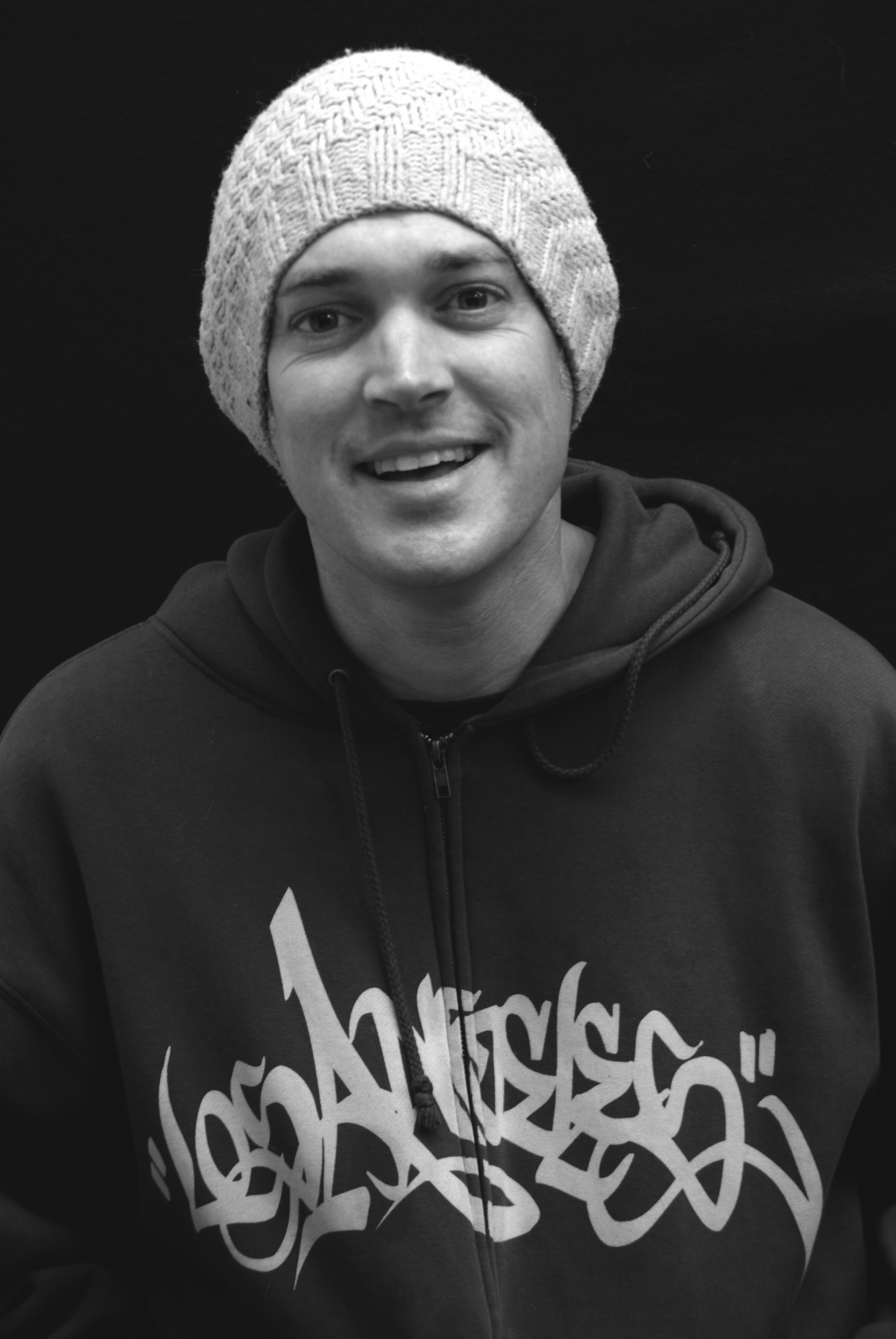 For the fifth consecutive summer I taught my Words Spoken poetry workshop at 826LA in the Northeast L.A. neighborhood of Echo Park. We had twenty diverse teens from Downtown, Historic Filipinotown, Silver Lake, Koreatown, Mt. Washington, and South Pasadena. The combination of 826’s ambience and the earnest personalities of the group made for an explosive week of poetry and community building. The writers ranged from twelve to eighteen, plus a few college students who made guest appearances. Close to a third of the writers were returning students, adding to the group camaraderie.
  After five summers at 826LA, I have witnessed dozens of students become empowered when writing poems about their lives, families, and neighborhoods. Creative writing, according to the theorist Lester Faigley, allows students to “use narratives to explore the politics of location.” Several of the poets memorized their work, adding even deeper personal meaning to the experience.
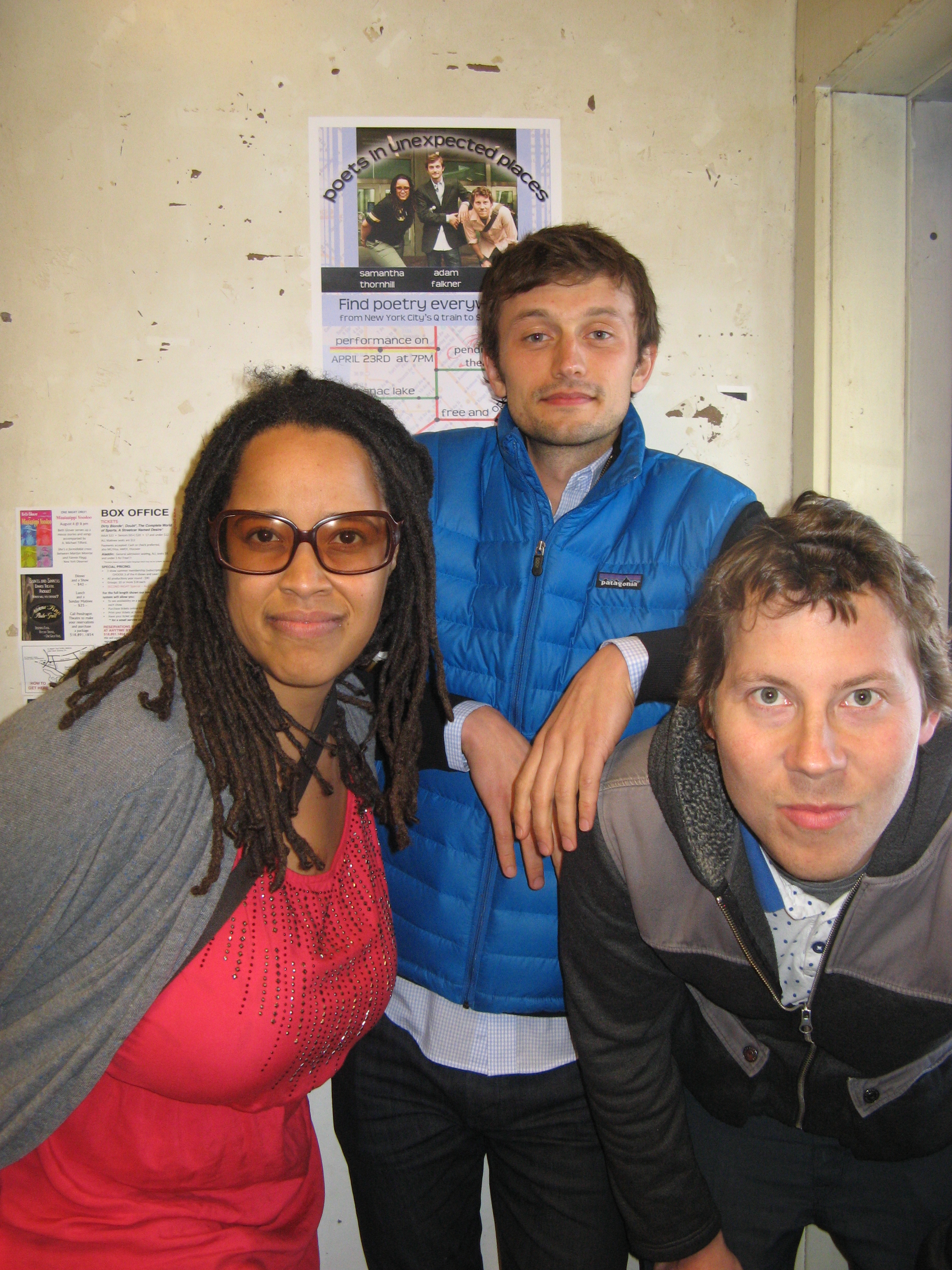
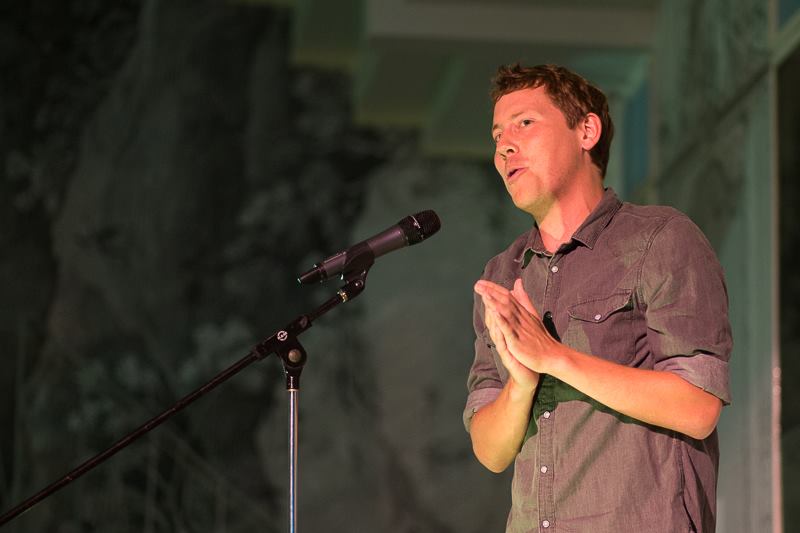 In 2010 Adam Falkner, Samantha Thornhill, and I cofounded
  We
We  How does giving a public reading inform your writing?
 Billy Collins’s poem “Workshop” is a send-up of certain kinds of feedback and poems typically encountered in poetry workshops. As a veteran of dozens of workshops with many different leaders, and as the leader of a few, I both laugh at the parody and cringe for the targeted workshop attendees (myself among them). But I believe Collins is also implicitly implicating workshop leaders, who, after all, set the example.
 Several events commingled in my head last weekend. On June 2, 2013, I attended the poetry reading at Charles F. Lummis Home, El Alisal, which opens Lummis Day each year in Highland Park, California. (The reading is
 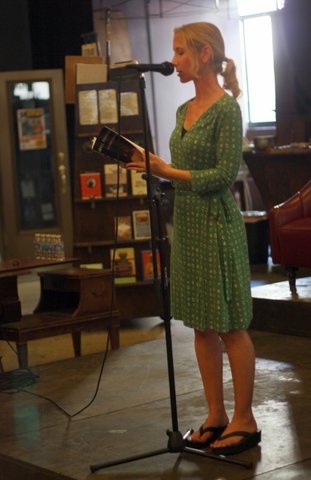 It was poet
 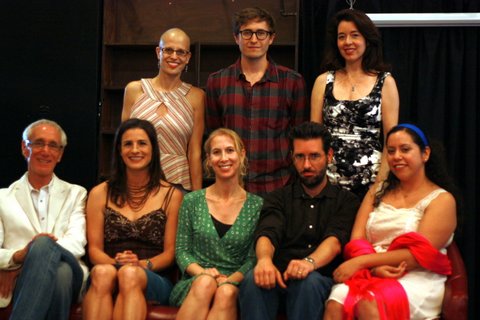 Larry Colker, poetry winner from 2007, showed off the Matrix-like cover of his book
 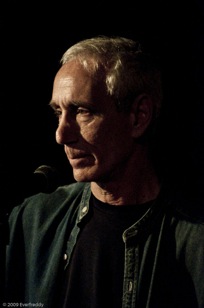 I am happy to have this opportunity, as the June Readings/Workshops Writer in Residence, to give something back to Poets & Writers. I have been the beneficiary of much largesse from P&W,
  I had an idea to have a free community-based poetry and arts festival in Coney Island, a neighborhood on the edge of a city. The festival would incorporate site-specific poetry, free workshops, and readings in a spectacular location. I wanted to create a space where people who had written about Coney Island could come and read and share their words about the place. Coney Island is a neighborhood with a vivid art and literary history, and for me it holds significant family history. My mother’s family lived in Coney Island, on 29th between Mermaid and Surf, for almost twenty years, from the 1920s to the 1950s. Ever since hearing my grandmother Betty first say the words, “Half Moon Hotel,” "Abe Reles," and "meshugana," Coney Island held a poetic resonance for me. I wanted to spend as much time as possible in the place where this Half Moon Hotel once towered with views of the Atlantic and a 150-foot ferris wheel could be landmarked.
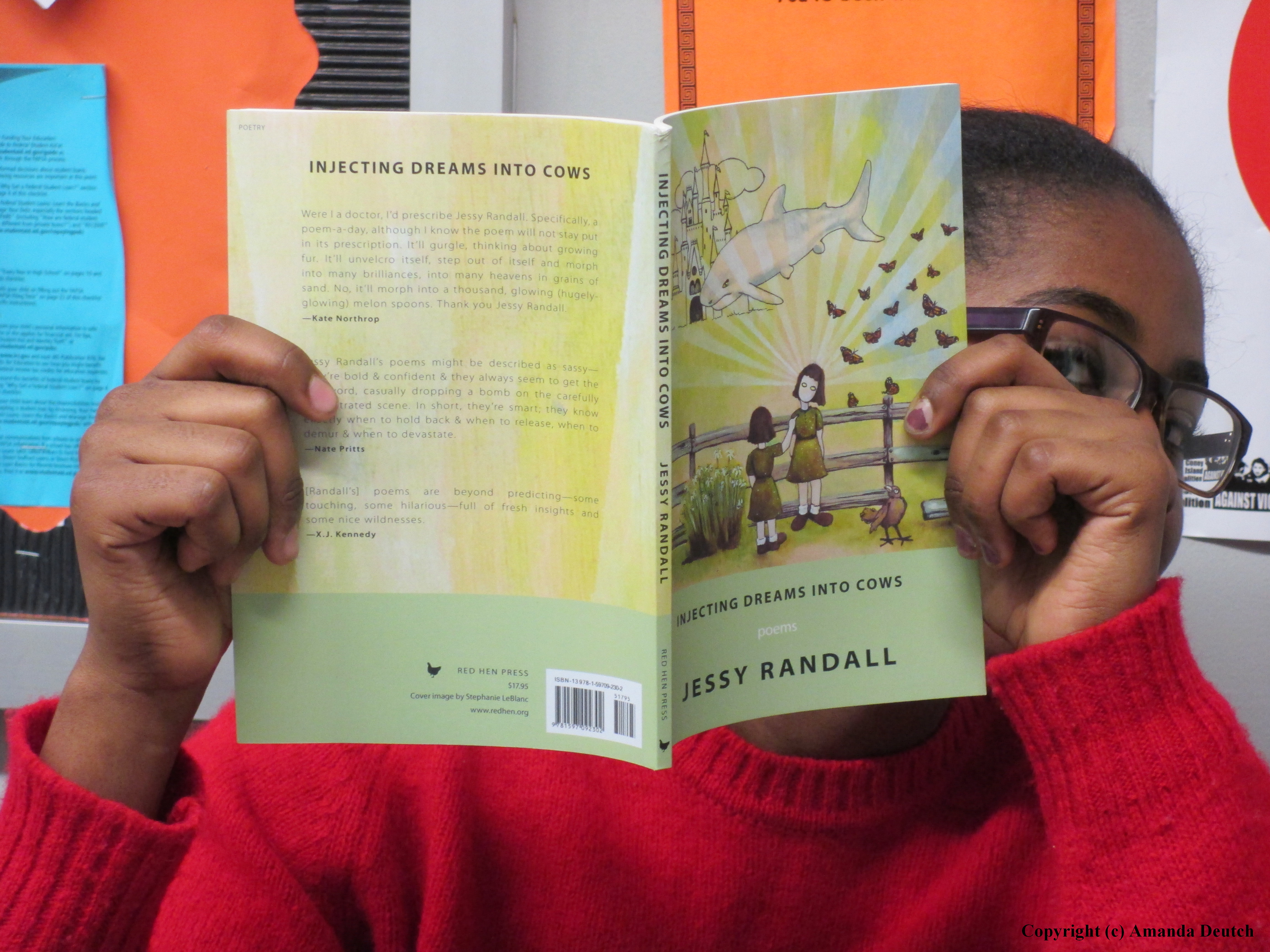 13 I put out a call for poetry books to create a lending library for the YWCA after-school teen empowerment program where
  eeks ago and said, “Miguel Pinero, he’s the realest.” I said, “Yeah, his poetry changed the course of my life. Before that all I ever saw was poetry about daisies, not that I don’t like daisies. We don’t have any books of his, yet, but why don’t you read Sheila Maldonado? She’s a local poet, born around here.” He checked her book out of our new burgeoning library (and made my day). There are so many interactions like this. Maya is a thirteen-year-old student at the writing workshop. She soaks up information and is very talented. One day she came in asking me about a poem she’d seen that looked like an eye. We had a conversation about the French poet Guillaume Apollinaire and for the next week’s class I brought in one of his books. She poured over the pages and held it up saying, “This one is my favorite.” I instantly got chills and realized, here I was in a classroom in Brooklyn, in Coney Island, discussing surrealist French poetry with a thirteen-year-old girl.
 For a relatively small city, Seattle has a thriving literary community. What do you attribute this to?