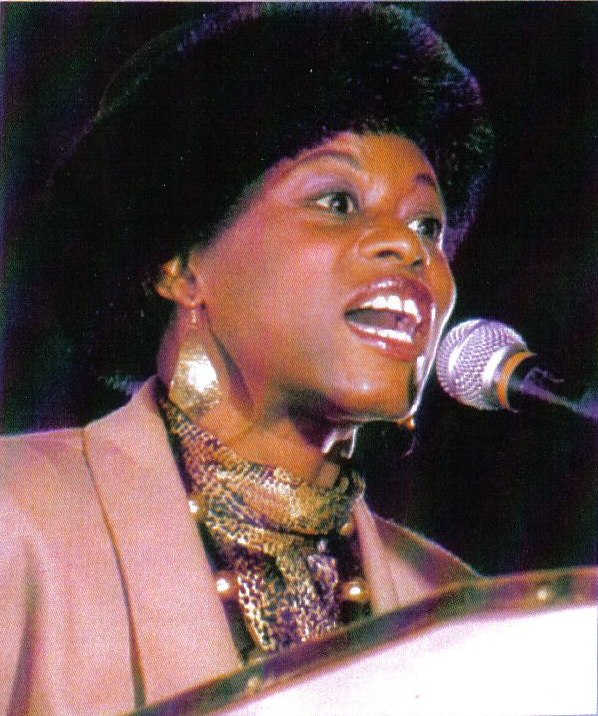
Aquarius Press/Willow Books at the Virgil Carr Cultural Center in Detroit
For the month of July, P&W–supported poet and director of literary events, Randall Horton, blogs about his work with various organizations and events throughout the northeast. Horton is the recipient of the Gwendolyn Brooks Poetry Award, the Bea Gonzalez Poetry Award, and the National Endowment of the Arts Fellowship in Literature. A Cave Canem Fellow and member of Affrilachian Poets, Horton's lastest poetry collection Pitch Dark Anarchy will be published by Northwestern University Press in Spring 2013.
In April 2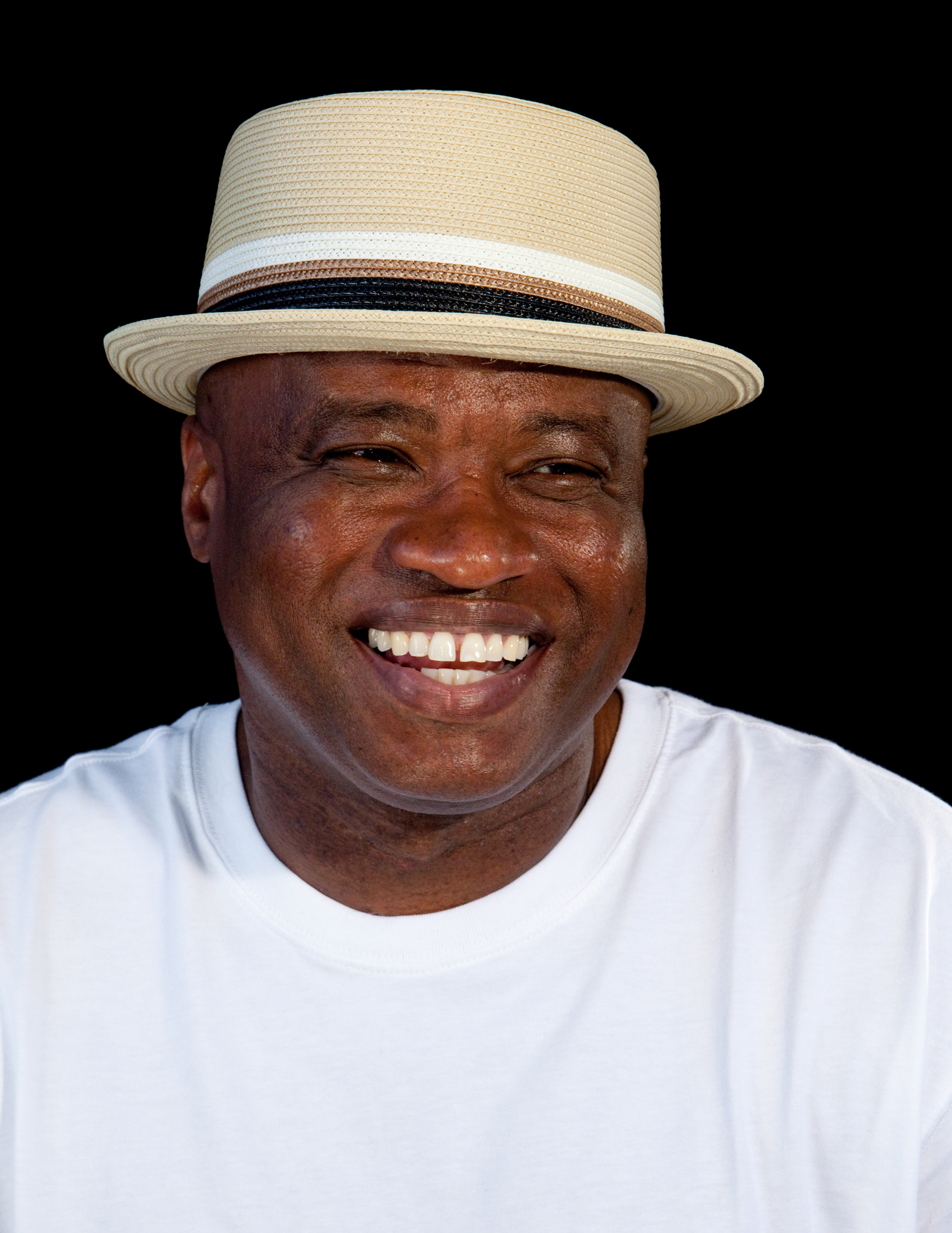 011, during National Poetry Month, Poets & Writers funded Aquarius Press/ Willow Books to sponsor a workshop in Detroit, Michigan, at the Virgil Carr Cultural Center. The workshop participants included poets Victor Billione, Nadia Ibrashi, and Felecia Studstill, and began as an organic conversation on craft. We read from a wide range of poets, from Rachel Eliza Griffiths to Stephen Jonas to Evie Shockley. We looked at parallelisms in poems (cosmic nature versus the material world), the idea of “the definition” as a form poem, and the art of the line break, which we all concluded to be critical when fine-tuning the lyric qualities in the poem, and the poem as political mouthpiece.
I wanted to tailor each poet’s experience to suite his or her aesthetic intentions. For example:
Victor’s exercise asked: In what ways do you feel oppressed? Choose an object you own that seems to embody that oppression and/or privilege, and write a poem about it.
Nadia’s exercise asked: What communities of people do you identify with and feel you belong to? Write a poem from the voice of this collective “we,” talking about your troubles, your failings, celebrating your strengths…
…and Felecia’s exercise asked: Imagine someone who lives in another part of the world under very different economic and political circumstance. Have that person talk to you about your life in America from his or her perspective. You can also do this exercise by imagining someone else in America, but of a different class, race, and so forth.
Then they wrote. Here are excerpts from the poems created and used with their permission:
Victor: “I sleep well knowing these references are/Framed in revolution/Evolving into stories time has forgotten.”
Nadia: “Finally, we see the words,/the shape of mornings,/the secret place.”
Felecia: “Your anger is fear/you know. You know./You are as worthy of my life/As I am of yours.”
The idea of the workshop was to take writing samples from the participants and tailor each participant’s experience based on writing tendencies, likes, dislikes, and aesthetic intentions. This helped to create a multi-voiced workshop that paid close attention to the writer and ultimately asked the writer to expand beyond his or her imagination.
Photo: Randall Horton. Photo credit: Rachel Eliza Griffiths
Support for Readings/Workshops events in Detroit is provided by an endowment established with generous contributions from Poets & Writers Board of Directors and others. Additional support comes from the Friends of Poets & Writers.


 In that time we have covered such varied poets as Lu Chi, Rumi, Sappho, Amiri Baraka, Federico García Lorca, T.S. Eliot, Sonia Sanchez, EE Cummings, Audre Lorde, Muriel Rukeyser, LaTasha N. Nevada Diggs, Alice Notley, Gil Scott-Heron, and CA Conrad. The list is growing like the years. Dozens of men - maybe a hundred - have come to and through the class. Some on the outside are now proud graduates of Higher Education. On the inside, a few lifers have been there since my first day. I have seen many things happen in that classroom, but fostering the dissolution of preconceived notions of what can be called “poetry” under the influence of poems like Joan Retallack’s “A I D /I/ S A P P E A R A N C E” or Douglas Kearney’s page work is particularly gratifying. I’ve seen, like realizing blondes aren’t the only beauties, the canon explode in front of our faces, and I tell you that this is a very right thing to be happening inside.