For the sixth installment of our ongoing Winners on Winning series, we spoke with Harmony Holiday, the winner of a 2013 Ruth Lilly Poetry Fellowship, a $15,000 award given annually by the Poetry Foundation to five emerging poets between the ages of twenty-one and thirty-one. (Starting this year, thanks to a donation from the Dorothy Sargent Rosenberg Memorial Fund, the prize amount will increase to $25,800 each.) Holiday's debut collection of poems, Negro League Baseball (2011), won the Fence Books Motherwell Prize. Her second collection, Go Find your Father/A Famous Blues, was published by Ricochet Editions in 2013.
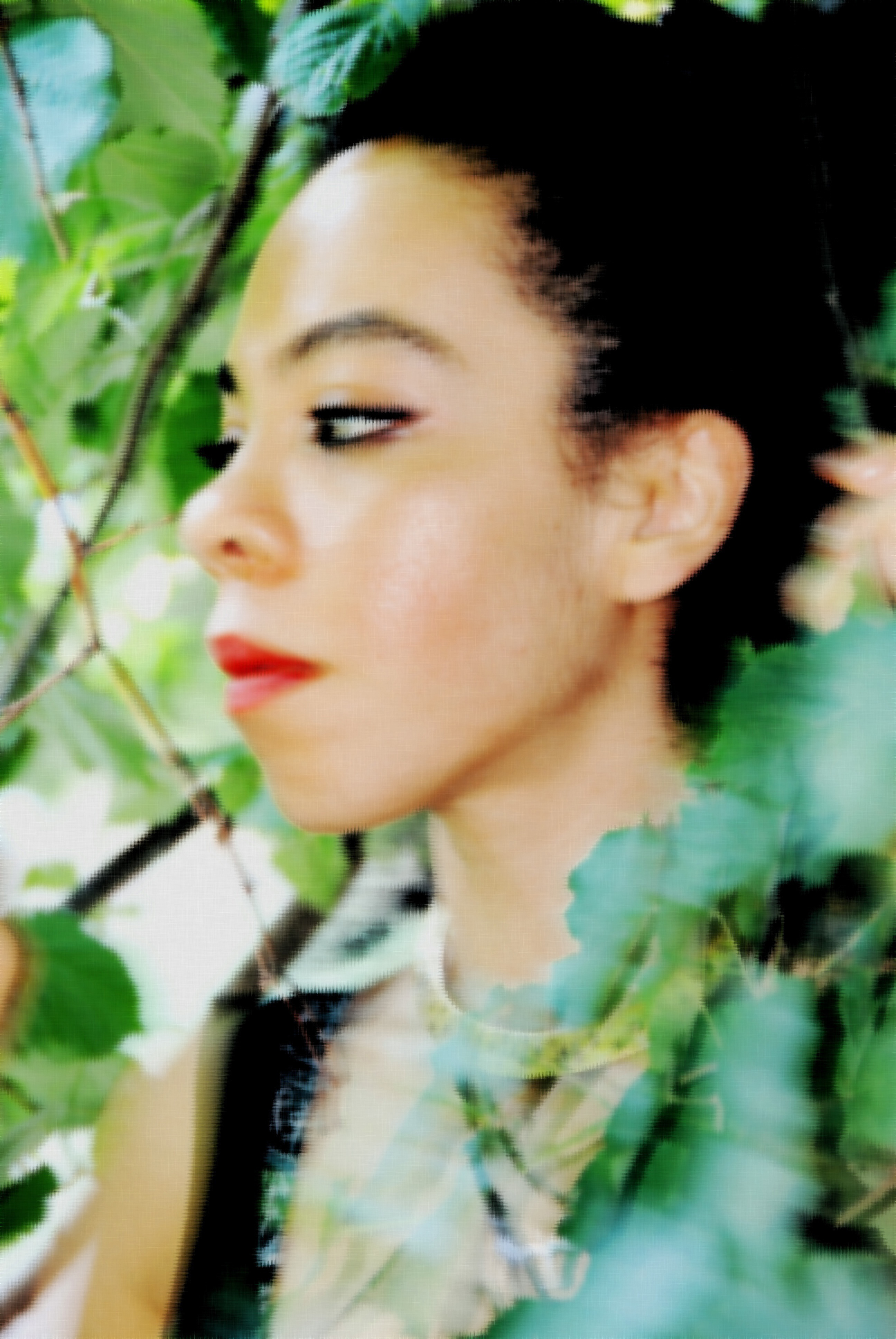 What kind of impact has winning this prize had on your career?
I’m someone who’s deeply suspicious of the road most traveled by writers in our time—from the brave and often dejected or shrill dream of becoming a writer, to an MFA program and the connections and lexicon that come with it, and then ideally to publishing and teaching. I’m grateful for the fact that structures exist that help writers earn livings during these twilight years of monopoly capitalism, but I am constantly interrogating the path, wondering whether or not something is lost in the transition from training to sheer being. And while it’s possible that I romanticize a time when a writer’s biography was not as predictable, it’s also true that such a time called for less of a costume or spiel, and perhaps helped preserve the diversity and exhilaration of the unknown that made a writer’s life worth writing about. I admire writers like Amiri Baraka who, while understanding and operating within the current structure, also danced around it toward greater agency and creative freedom, creating independent presses, collectives, and ultimately, ideas that cannot be born within the obscuring anatomy of the western canon as it stands. It seems to me that the way that the academy has emerged as the number one source of training in the literary arts is at once heartening and a very complicated puzzle, meaning we all know that a specific aesthetic is born within the confines of these universities, and that even the wildest and freshest writing is manicured into something that can be explained in the terms that an MFA education allots—too much savviness perhaps, lots of know-it-all-ism and unassailable writing seems to come from that, lots of good writing too of course, but things could stand to be re-apportioned.
All of that said, winning the Ruth Lily, knowing that the Poetry Foundation is a strident and unrelenting champion of writers who take the road less traveled, I’ve been re-inspired to maintain my position on that road, even if it the resistance I put up is only in the form of archival work that re-distributes the wealth of the canon, or the deeper study of jazz and other music, or the continued study/practice of dance and application of its tenets in my writing—it’s a huge relief to be reminded of the importance of paving this road without over-defining it, the importance of freestyling, while realizing that too much resistance can undermine and too little might as well be none at all.
Additionally, my new book Go Find Your Father/A Famous Blues, was born of the energy and inspiration that the award provided. It began as a lyric essay and evolved into a book length collection of poems, letters, and essays, a memoiresque suite of work that might have been thwarted by fear about where it would fit into the canon, or about what genre it is, had the award not been the reminder I needed to just go forth and make the best and most inspired work I can make.
Has winning this award, or previous awards, changed the way you approach your work?
Not necessarily, no. I think winning things refines my idea of what winning really is. Each time you realize it’s not about anything you tried to prove to judges or yourself, it’s about the fact that you were in a natural, almost inevitable, place where your writing and ideas were concerned, that you can’t ever fake or contrive that, so that the goal remains to continue to approach writing and living from that raw, natural, this-is-me take-it-or-leave-it place.
Have you ever entered a contest that you didn't win?
Absolutely, but I try to think of rejection as some kind of mythic, fableistic deity gifted to us by the ancients, that sort of educates us in the ways we have rejected ourselves thus far, the nuanced place wherein we have not been true to ourselves. Meaning, sometimes we know we’re too young for a Guggenheim, but apply anyway because why are we too young, after all? Or sometimes we’re clear that a certain magazine privileges narrative work, and we send something a little decentralized from that aesthetic, knowing what to expect, but also hoping we might rouse people to a new way of seeing simply by showing up. I think that’s a healthy way to interrogate both ourselves and the cult of normativity that suggests what’s appropriate for when and why. If we’re always playing it safe, if we’re always winning, we’ve rigged our own contest with our best self, we’ve lost the will to exceed ourselves, and that’s no way to win.
What advice would you offer to writers thinking of submitting to writing contests?
What are you waiting for? Write and read and listen and use your body every day, don’t make applying to or winning contests your raison d’être, but also don’t just talk about it, be about it.
For more Winners on Winning, read the current issue of Poets & Writers Magazine, and check back here every Wednesday for a new installment.



