




Stories of Successful Aging After 60
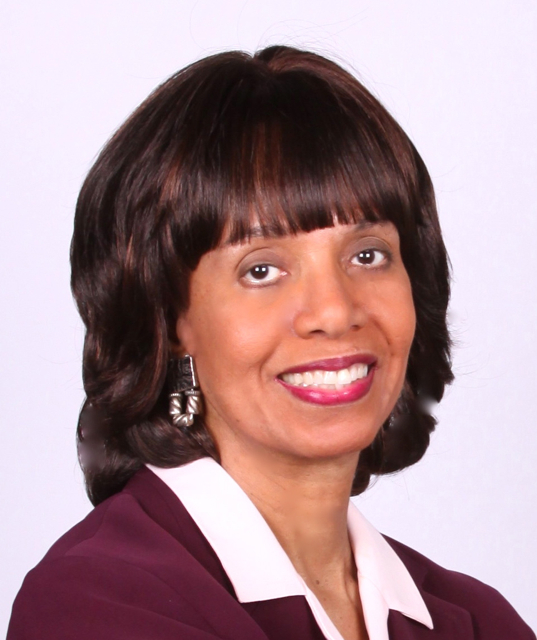
P&W supported Frances Shani Parker is the author of Becoming Dead Right: A Hospice Volunteer in Urban Nursing Homes (paperback, e-book). Parker is a Michigan-based eldercare consultant, writer, hospice volunteer, blogger, and former school principal.
Have you noticed all the negative stereotypes that bombard us about older adults? Too often, this group is portrayed as unattractive, senile, useless, and sexless. A former school principal, when I surveyed fourth graders about the kinds of people they expected to see at a nursing home, they said residents would be old, sick, grouchy, slow, not too smart, and nosey. If these children’s perceptions continue, they can easily grow up to become the stereotypes they believe. Think about some of the older adults you know who have fallen victim to this illusion. Negative stereotypes have influenced how they view themselves in addition to the natural decline in some of the ways they function. They may have more dependence on others, lower levels of risk taking, and decreased self-esteem, due to poorer health.
Although youthfulness is admired and flaunted, there are many older adults who are not living the negative stereotypes. They refuse to focus on assumptions about how their lives should unfold. I wanted them to tell their stories, pay tribute to themselves, and motivate others in the process. Facilitating a Poets & Writers workshop seemed like the perfect catalyst for using the power of written words to promote productive aging. An eldercare consultant active with several senior organizations, I was sponsored by the Presbyterian Village of Brush Park Manor, an independent living community in Detroit. That’s how the Stories of Successful Aging After 60 writing workshop came into being and how a shared vision became a reality.
Most potential workshop participants were somewhat intimidated by the prospect of writing personal stories. Reading them aloud before a group presented another layer of concern. To help guide the process, I attended an exercise class with residents before the workshop started, so we could build trust and bond together. A few weeks later, I read original poems for them during their African American history program. My hope was to inspire them to gain the confidence to write and share their own thoughts and feelings. By the time our five workshop sessions began, we had sixteen excited older adults ranging in age from 60 to 93. Storytellers at heart, they were eager to celebrate and share with others what it meant to age successfully.
I was impressed with the diversity and intimacy of their revelations. Many had conquered and continued to prevail over major obstacles while maintaining an optimistic outlook on life. Surviving cancer, heart and kidney transplants, drug addiction, and raising grandchildren were only a few of their victories. They also mentioned spending quality time helping others, enjoying family activities, and working new jobs. Developing talents and hobbies, traveling, and, of course, dating further enhanced their busy schedules. An enlightening collection of stories representing their personal truths evolved through their focused introspection.
References to religious explanations for passing life tests were frequent. Testimonies included receiving numerous blessings, having prayer partners, reading the Bible, and just being alone talking to Jesus. Their praise of a higher power was so strong that it became common during rehearsal readings for someone to shout a religious affirmation such as, “Give God the glory!” or “Thank you, Father!” when other writers read their stories. One man included the partial singing of, “His Eye is on the Sparrow” as part of his presentation. A woman disclosed that music talks to her with, “I’m Gonna Make It After All” being her favorite gospel song.
A lovely luncheon recognized workshop honorees who received and read aloud from their uplifting collection of stories. Each writer also accepted a special certificate of achievement. Several stated they would be sharing their collections and certificates with family, church members, and friends. Now others will benefit from their passionate efforts. Proud older adults savored well-earned praise for their involvement in a writing workshop where we all learned more about ourselves, one another, and aging.
Photo: Frances Shani Parker Credit: Maurice Sanders
Support for Readings & Workshops in New York is provided, in part, by public funds from the New York State Council on the Arts, with additional support from the Friends of Poets & Writers.
