Cult Book

5.11.16

Cult books, as with films that are considered cult favorites, often contain elements of the extreme, bizarre, or subversive—their power to inspire and persuade seemingly just on the edge of propriety. This week, choose one of your favorite cult books, or browse through this top-fifty list for ideas. Then, write a story about a character who stumbles upon this cult book for the first time, and after speeding through it from cover to cover, is suddenly empowered toward a new course of action. What is the single most influential element of this book for the character?

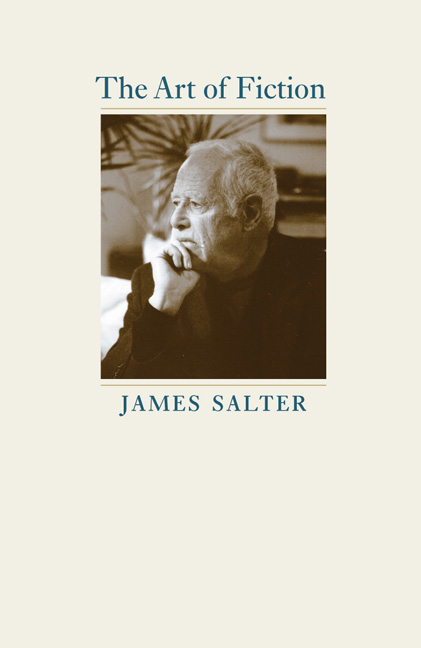
The Art of Fiction

by
Author: 
James Salter
Published in 2016
by University of Virginia Press

As the first Kapnick Writer-in-Residence at the University of Virginia​, James Salter delivered these three lectures just months before his passing: "The Art of Fiction," "Writing Novels," and "Life into Art." Now compiled in this book, readers will be inspired and heartened by ​Salter's candid thoughts on the inevitable rejection, criticism, and struggle with best practices that accompany the writer's life. Salter also shares the books and authors that informed him throughout the years, and his personal beliefs in the value of the written word.

Kenyon Review Celebration Reading

Caption: 

"Emerald, as in the leaf of the ash, / though nothing's burned, not yet..." At a celebration of the Kenyon Review hosted by the Strand Book Store, David Baker, the literary magazine's poetry editor, reads a poem by Alison Hutchkraft from a recent issue, as well as poems from his collection Scavenger Loop (Norton, 2015).

Genre: 

Word Aversion

5.10.16

A recent study by Paul Thibodeau, a professor of psychology at Oberlin College, examines the phenomenon of “word aversion”—the extremely visceral distaste that some people have in response to certain words, such as “moist,” “luggage,” and “phlegm.” Write down a list of five words that you find particularly repulsive, words that might not otherwise have any definitively negative connotations. Use these words in a poem and explore how word choice can propel you toward certain subject matter. Do you find yourself pulled to other repellant images and memories, or pushed to offset those words with more pleasing evocations?

Deadline Approaches for Little Bird Writing Contest

Submissions are currently open for the Little Bird Writing Prize,  given each spring for a short story. The winner will receive an award of $1,000 and publication in the annual short fiction anthology Little Bird Stories. A first and second runner-up will each receive $250, as well as publication in the anthology. Writer Lisa Moore will judge.
A bonus prize of free admission to contest founder Sarah Selecky’s Story Intensive, an online creating writing class featuring guest lectures from Margaret Atwood and George Saunders, will also be awarded to one entrant, chosen at random.

Using the online submission system, submit a story of up to 2,500 words and a $25 application fee, which includes a subscription to Little Bird Stories, by May 27. The story must incorporate one of the daily writing prompts or “story dares” featured on the contest website. For example, the 2015 winning story, “Paradise,” by Neil Smith, used this prompt: “Write a scene that uses layers and layers of clichés intentionally.”

Now in its sixth year, the Little Bird Story Contest was founded by fiction writer and writing instructor Sarah Selecky to support “innovative and emerging fiction writers.” In addition to daily writing prompts and the Story Intensive, Selecky also offers an online fiction workshop, revision tutorials, and homework for writers. She publishes Little Bird Stories each year; a percentage of each subscription goes to the Pelee Island Bird Observatory. For more information, visit the website or e-mail Selecky at [email protected].

Finding Our Voice After War

Mario Bonifacio writes short fiction. He served for ten years in the U.S. Army, both active and reserve, as a field artillery and cavalry officer, including a combat deployment to Iraq. He currently resides in Brooklyn, New York and has participated in the Voices From War writing workshop since 2014.
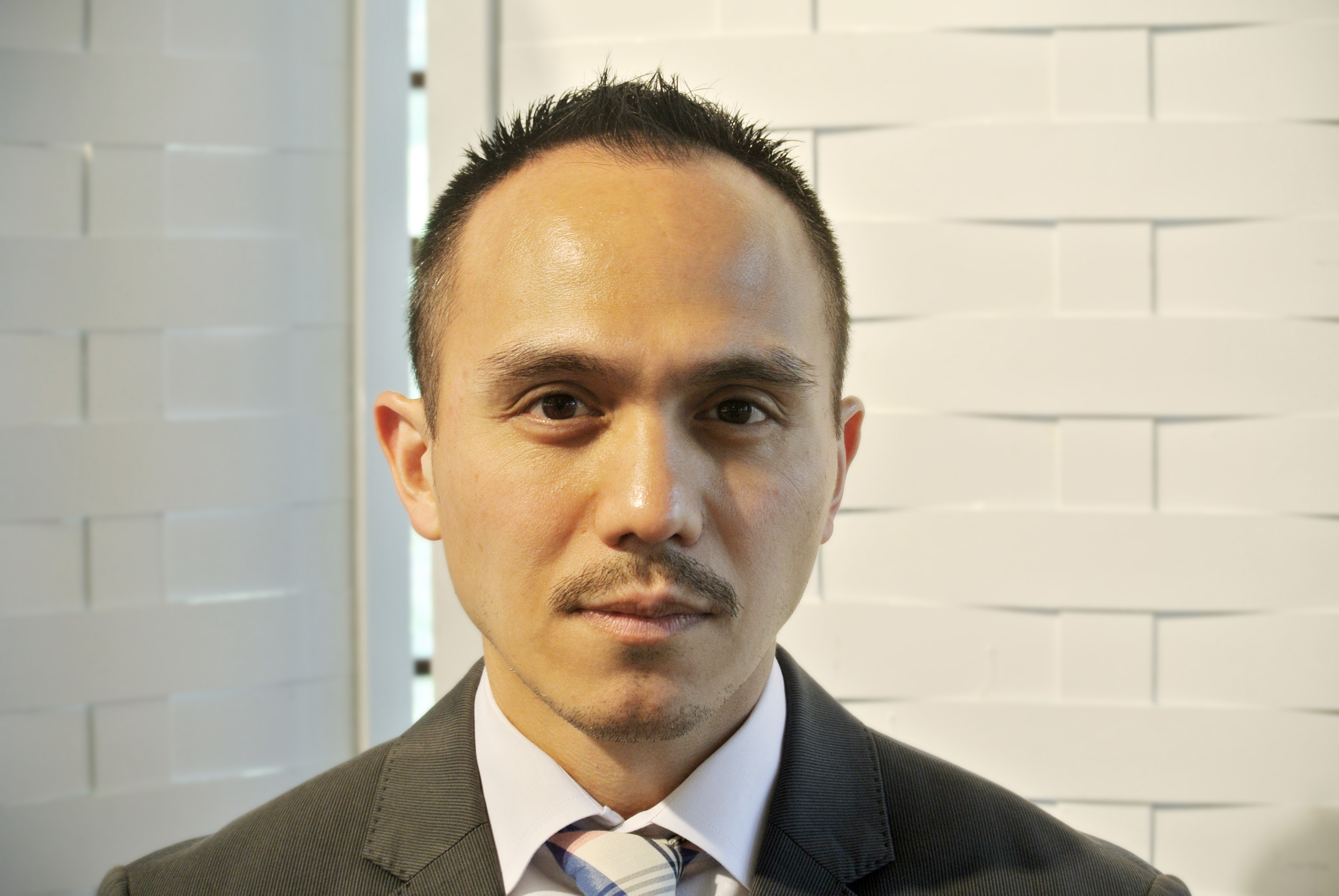
Back when war was a concept that only existed to me in history books or on the news, I wrote for myself—well, for myself and for the strangers who were out there, faceless, and felt things similar to me, even if they never read my work.

I chose active duty in the U.S. Army in 2003 and my writing slowed. Being trained for war, training a platoon for war and, eventually, war itself, all pulled my thoughts outward; reflections that could have once filled notebooks now remained on Texas shooting ranges and ambling desert roads in Iraq. The external world I’d chosen was dangerous and not to be taken lightly, but as I'd learn in the years that followed, so was ignoring the internal conflict that inevitably followed many of us home.

When I returned home from war, I focused on my professional reintegration, which was far from easy but a welcome distraction and enough to convince myself that I was happy—that to be walking and breathing was all I needed to be happy. To be anything but seemed a crime against the memory of those unlucky enough to have not made it back. But I knew enough to understand my happiness was worthy of distrust, like the way you feel when entering a rush hour subway car with what seems like too many available seats.

I joined the Voices From War workshop, sponsored by Poets & Writers, at first, to remain connected to other veterans, not yet convinced I wanted to write about my time serving or the issues I, and veteran friends, faced while readjusting. I obviously knew there was writing out there about the Iraq War, in addition to movies and other media, but I passively avoided it. The world beyond the military offered no shortage of lessons to learn, so why use my limited facilities to hear others speak about something I had already experienced firsthand? Much of it was pretty terrible anyway—inaccurate and exaggerated.
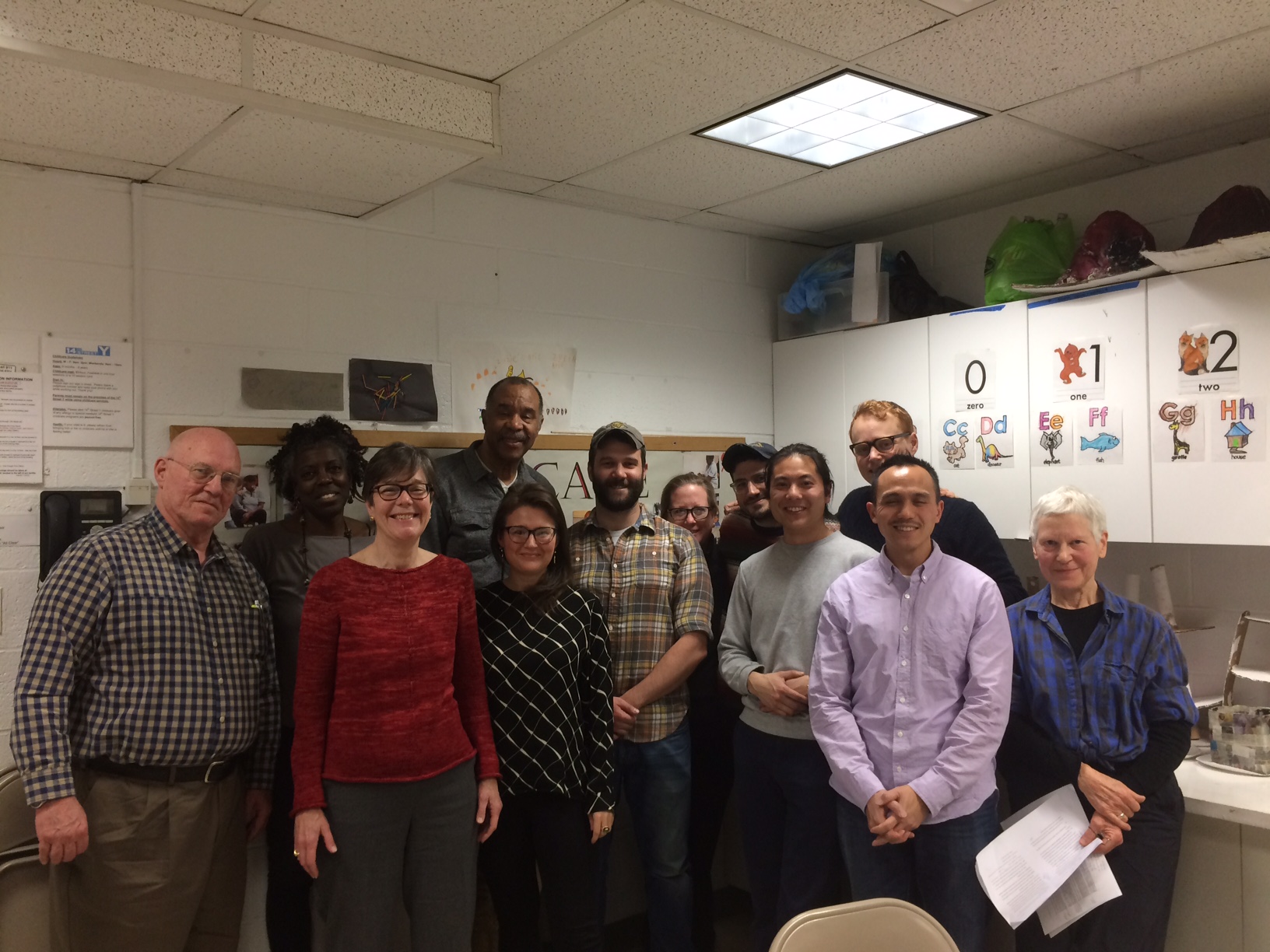
It was the other participants in Voices From War who convinced me that this wasn't a problem to be avoided, but rather one to be solved—a problem that would persist until we rose up to tell our version of the story. After all, no one but us had the memories to draw upon, to become the voices from the war in Iraq.

After completing my first few works and participating in my first readings, both in conjunction with the workshop, I was able for the first time to see those faceless readers I'd once imagined—people who might never have heard a war story directly from the source, people who feel they don't have a voice, and people I served alongside who, for many reasons, cannot tell their own stories.

In the most literal sense, our story doesn't exist unless we write it down. And I very much want our stories to exist.

Photos: (top) Mario Bonifacio. Photo credit: Christina Garofalo. (bottom) Voices From War workshop participants. Photo credit: Kara Frye Krauze.

Support for Readings & Workshops in New York City is provided, in part, by public funds from the New York State Council on the Arts, and the New York City Department of Cultural Affairs, with additional support from the Louis & Anne Abrons Foundation, the Axe-Houghton Foundation, the A.K. Starr Charitable Fund Trust, and the Friends of Poets & Writers.


Cooking With the Muse

Caption: 

“A cook marries ingredients much the way a poet marries words. This is a human experience.” In Cooking With the Muse: A Sumptuous Gathering of Seasonal Recipes, Culinary Poetry, and Literary Fare (Tupelo Press, 2016), poet Stephen Massimilla and chef Myra Kornfeld collaborate on an anthology of culinary poems and recipes. The book explores the connection between cooking and writing, and includes works by luminaries such as Emily Dickinson, Pablo Neruda, Zora Neale Hurston, Seamus Heaney, and Jane Hirshfield.

Genre: 

Pages

Subscribe to Poets & Writers RSS