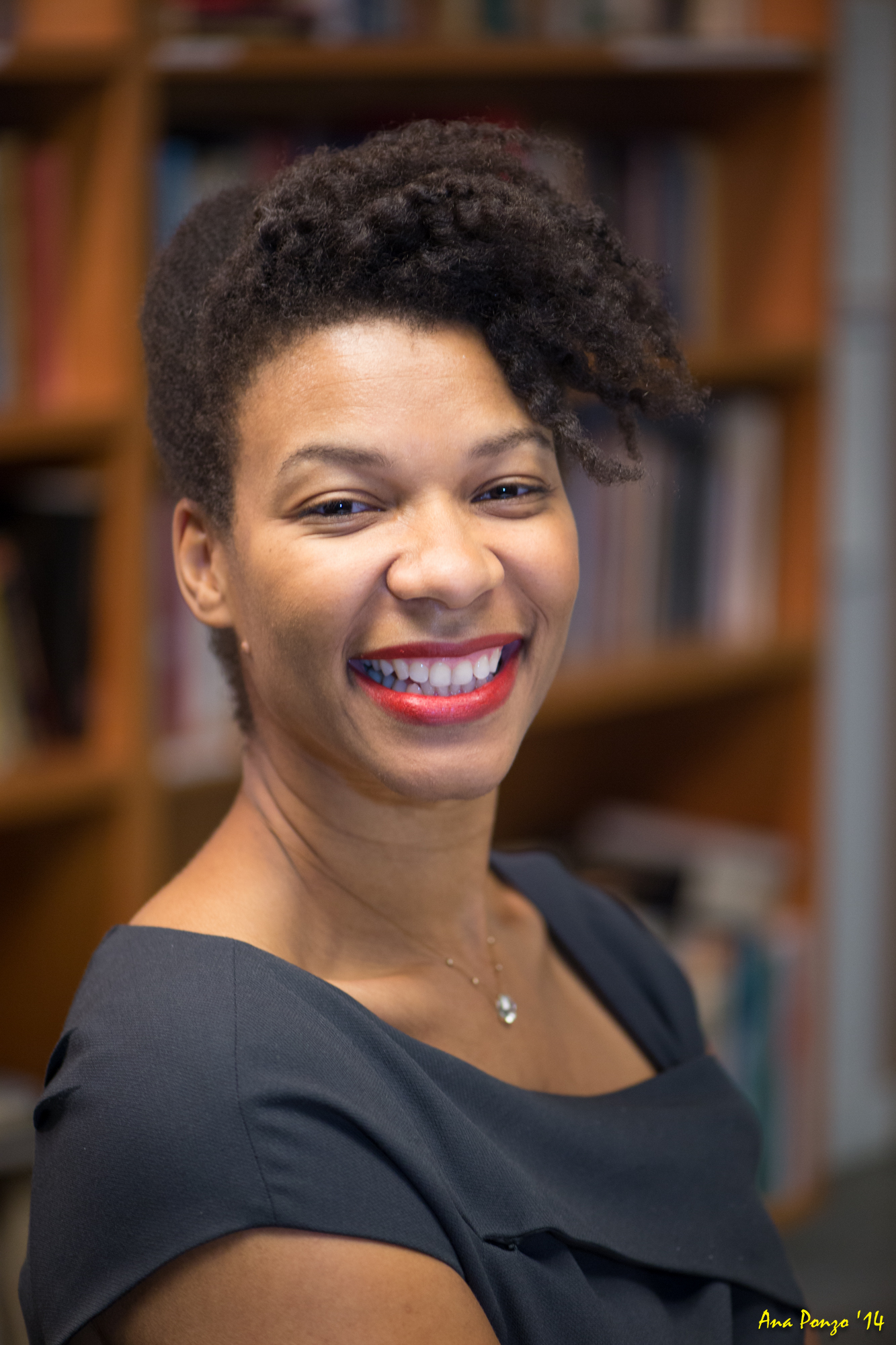
Ashaki M. Jackson is a social psychologist and poet living in Los Angeles who has worked with youth through research, evaluation, and creative arts mentoring for over a decade. Her poetry has appeared in Eleven Eleven, Inch Magazine, and Rkvry Quarterly, among other publications. This year, Jackson was one of the instructors for 826LA's Words, Spoken summer writing workshops for teens, which Poets & Writers has been cosponsoring for the past five years. She blogs about her experience below.
 “El Padre de Sunset Boulevard,” I announced, “will you please take the ring?”
El Padre is a high school freshman. I met him and his sister one year prior, during an 826LA summer camp when I was a guest instructor. This year, I was invited to be the core instructor, responsible for introducing students—familiar and new—to another world in creative writing for five consecutive mornings. Our goal: the manifesto.
To begin, I wanted each student to assume a plucky persona to use while writing. This would ease the fear of facing a blank page and sharing drafts with peers. I provided students a die and a numbered list of incredibly ridiculous titles with which they created their luchador (Mexican wrestler) names.
¡El Hurican Incognito!
¡Karate Chop #1!
¡Chicharron de Ramen!
“What is a chicharron de ramen, miss?” one student asked. “Frighteningly delicious,” I replied.
This year, we would all be wrestlers grappling with words and craft. When it was time for students to share their work, I would call their monikers and invite them to the ring (any classroom area where luchadors read their work aloud to peers).
Manifestos require good knowledge of personal values or a passion to advocate for something greater. I selected the manifesto because it offered an activity in pieces and called for action. Each day we worked through key elements—who I am, where I’m from, and what I believe.
On day one, we each jotted down broad statements about ourselves on Post-it notes then stuck them to one classroom wall. I invited small groups to visit the wall, grab a few notes written by their peers that were relevant to their self definitions, then rewrite those statements in their own words and spirits. “I love pizza” became: “My world revolves around that saucy bread.” “I’m from LA” became: “I was born in the middle of palm trees.”
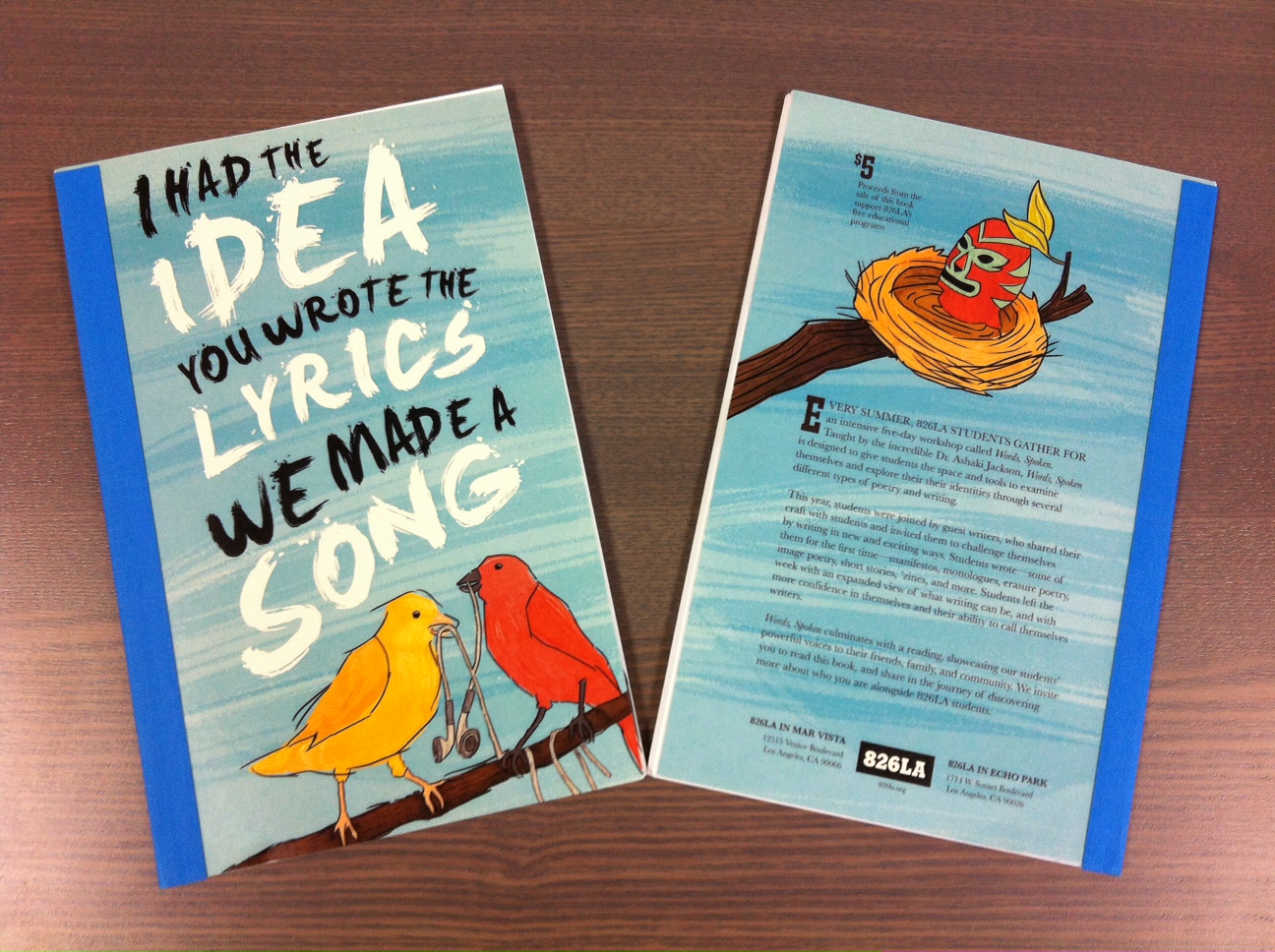
On day two, we subverted our origin stories with guidance from Eduardo Galeano’s Genesis (Nation Books, 2010). Students documented where they were from, then fortified their magnificence by including a magical element. Stars were fish scales from an ancient underwater era, and one student lived in a house teetering on a hill of coffee grounds. We pushed through the writing together, carefully, to create personally meaningful statements on who we are and what we want out of life. Similar to the qualities of any decent luchador, the resulting manifestos were colorful, tender, and risky.
Moving through the activity together fostered closeness among the luchadors as they explored themselves in writing. Equally vital for the week’s success was the space in which we worked. 826LA has, for years, provided students an environment wherein they are able to be duly youthful, curious, and safe. It also allowed me the latitude to implement a nontraditional lesson plan that revealed the luchadors’ true, soft faces. As one lithe luchador searching for his rhythm in the class shared: “An amethyst is just as pretty... next to a diamond, but that doesn’t mean people will see it.” We are all better for the grapple.
Photo 1: Ashaki M. Jackson; credit: Ana Ponzo. Photo 2: The Words, Spoken workshop anthology published by 826LA; credit: Jamie FitzGerald.
Major support for Readings & Workshops in California is provided by the James Irvine Foundation and the Hearst Foundations. Additional support comes from the Friends of Poets & Writers.





 Using the