Margo Perin is the author of the novel The Opposite of Hollywood (Whoa Nelly Press, 2015) and editor of Only the Dead Can Kill: Stories From Jail (Community Works/West, 2006) and How I Learned to Cook: And Other Writings on Complex Mother-Daughter Relationships (Tarcher/Penguin, 2004). She has taught writing to incarcerated populations, people challenged by life-threatening illnesses, migrants, refugees, elders, and at-risk youth and adults, and has been featured in the San Francisco Chronicle Magazine, O Magazine, and on NPR's "Talk of the Nation." She blogs about a recent P&W-supported writing workshop she conceived and facilitated for San Francisco youth under the auspices of California Poets in the Schools.
 In September and October 2015, I embarked on a series of workshops that linked formerly incarcerated and at-risk youth at the Success Center San Francisco with high school students across the street at the Ruth Asawa School of the Arts (SOTA). I called the project Building Bridges.
The intent of the series was to provide the opportunity for formerly incarcerated and at-risk youth to write about their often invisible life experiences as they develop their creative writing and critical thinking skills, to shed light on their perspectives, and to provide the rare opportunity to foster literary community between young writers of different socioeconomic and cultural backgrounds. The workshops would not only help build bridges between young writers, but also between Success Center and SOTA staff, and family and community members.
Success Center and SOTA youth each explored and wrote personal narratives through poetry, prose, and spoken word, and read and responded to each others’ personal narratives. In addition, both groups responded to the feedback, creating an ongoing dialogue of understanding.
The workshops culminated with a reading by Success Center youth that was attended by staff, who expressed a deep appreciation and greater understanding of the life stories and literary talents of their students. To further connect the Success Center and SOTA, I facilitated a visit to SOTA by the Success Center Client Service Specialist, who gave a presentation to students and staff on the demographics and struggles that Success Center youth commonly face. It is my hope that the relationship between these institutions will continue and help to reinforce the bridge of understanding and the literary community initiated by the generous funding of Poets & Writers.
This project was extremely enlightening in terms of highlighting the vast difference in economics, education, literacy, feelings of self-worth, social support and validation, and services for youth in the same city and, in this case, for youth attending schools directly across the street from each other. While many of the students at SOTA can expect to continue into higher education and compete for jobs in fields of their choice as they continue to develop as writers, students at the Success Center struggle every day just to attend class to get their GED and improve their literacy.
I am deeply grateful to the sponsoring organization California Poets in the Schools for their generous, honest, and steadfast dedication to their mission as they provide opportunities for youth to find and express their literary voices, and to Poets & Writers for providing the funding to work with the Success Center writers, which would not have been possible otherwise. I am hoping to share what I learned through this project with the reading public, and with other writers and educators to help further "building bridges" between diverse populations.
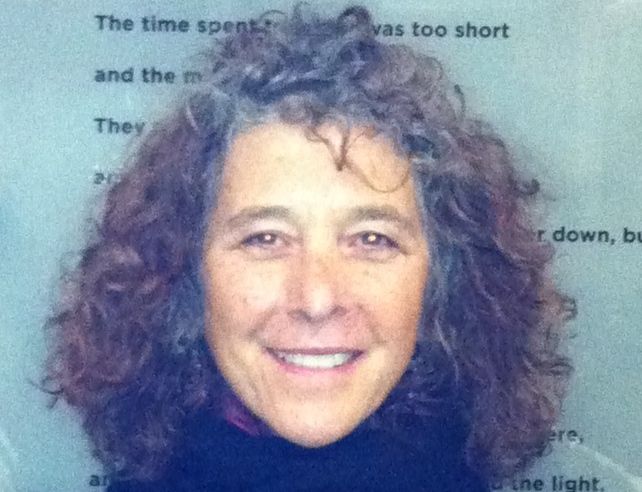
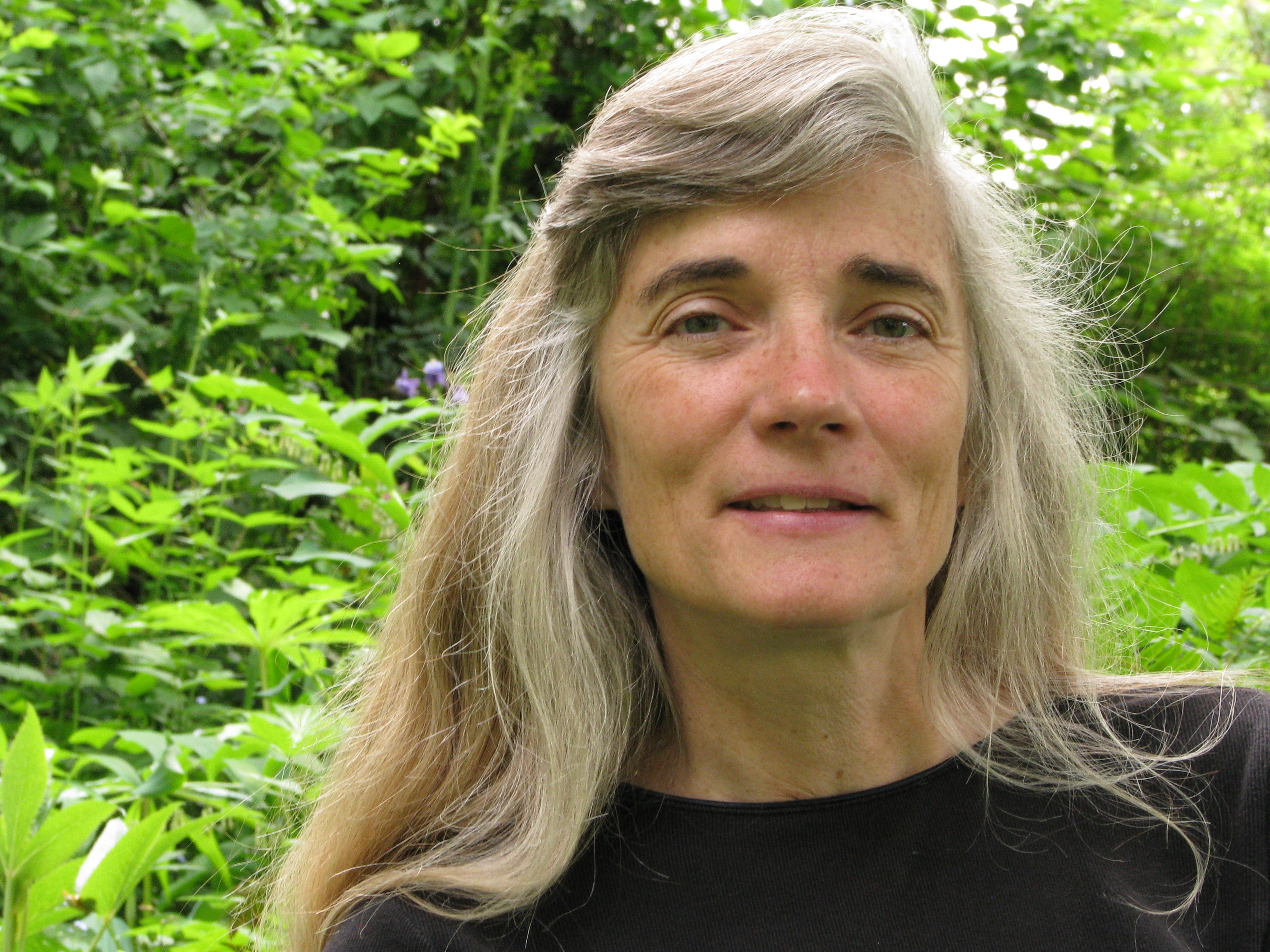
Photo: Margo Perin. Photo credit: Marci Klane.
Major support for Readings & Workshops in California is provided by the James Irvine Foundation and the Hearst Foundations. Additional support comes from the Friends of Poets & Writers.





 Writers residing in the United States who have not published more than two books of nonfiction are eligible to apply. No prior publication is required. Using the
  Sponsored by the Manoa Foundation of Honolulu, the annual fellowship was established by Frank Stewart and Debra Gwartney to honor the seventieth birthday of acclaimed writer and naturalist