Genre: Creative Nonfiction

Reginald Dwayne Betts

Caption: 

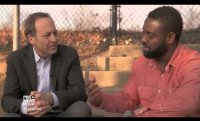
Poet, memoirist, and teacher Reginald Dwayne Betts speaks with PBS NewsHour’s Jeffrey Brown about his experience as a teen in prison and how poetry gave him a new identity. Betts is the author of Bastards of the Reagan Era (Four Way Books, 2015) and Felon, forthcoming from Norton in October, and is a recipient of the 2019 Barnes & Noble Writers for Writers Award.

Day Job

In Medium’s Day Job series, Mike Gardner conducts a dozen interviews with writers about day jobs they’ve worked, particularly focusing on jobs they had when they were just starting out. Authors such as Kaitlyn Greenidge, Mitchell S. Jackson, Carmen Maria Machado, Karan Mahajan, Elizabeth Strout, and Andy Weir recount the variety of work they’ve done to pay the bills—as a subway conductor, private investigator, teacher, retail clerk, and more—and share insights into how different jobs effectively complemented (or didn’t complement) a writing practice, and what they’ve learned about protecting their writing time and energy from the demands of day jobs. Write a personal essay about a past or current job, exploring how it fits alongside your identity as a writer. How do issues of time, benefits, energy, inspiration, and language play into the job’s suitability for your writing life?

The Blues

2.28.19

The fascination of writers with the color blue dates back more than two hundred years, as Maria Popova writes on her website Brain Pickings. In his journal, Henry David Thoreau wrote: “Blue is light seen through a veil.” In Bluets (Wave Books, 2009), a book wholly dedicated to her relationship with the color blue, Maggie Nelson interrogates the madness of loving “something constitutionally incapable of loving you back.” This week, consider any powerful associations you’ve had with a color over the course of your life. Write an essay or series of short vignettes dedicated to this specific hue. What memories or emotions come rushing back when you see this color? Is there a theme? Consider Johann Wolfgang von Goethe’s Theory of Colors for inspiration.

PEN Announces 2019 Literary Award Winners

At a ceremony last night in New York City, PEN America announced the winners of its 2019 Literary Awards. This year the organization awarded more than $370,000 to writers and translators for books and literary works published in 2018. 

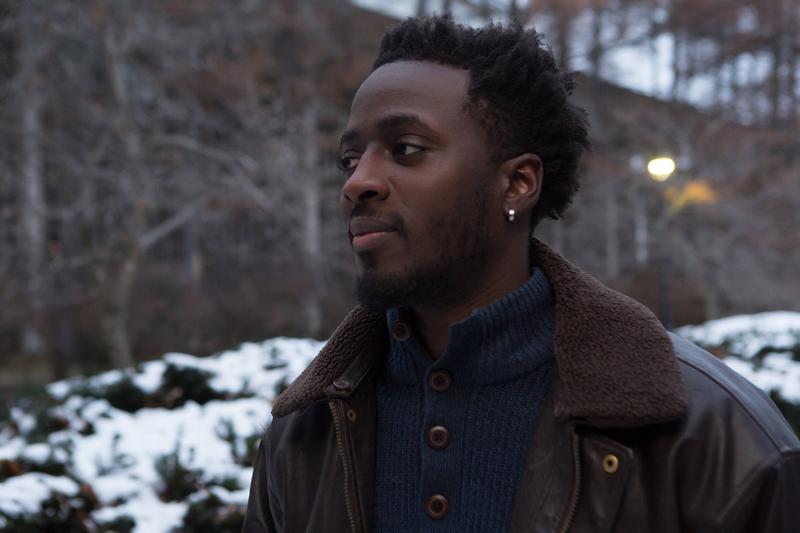
Nana Kwame Adjei-Brenyah took home the biggest prize of the night, the $75,000 PEN/Jean Stein Book Award, for his debut story collection, Friday Black (Mariner Books). The annual award is given for a book of any genre for its “originality, merit, and impact.”

The $25,000 PEN/Robert W. Bingham Prize for Debut Short Story Collection went to Will Mackin for Bring Out the Dog (Random House), and Michelle Tea won the $10,000 PEN/Diamonstein-Spielvogel Award for the Art of the Essay for Against Memoir: Complaints, Confessions, & Criticisims (Feminist Press). Nafissa Thompson-Spires received the $5,000 PEN Open Book Award for her novel, Heads of the Colored People (Atria). The annual award is given for a book of any genre by a writer of color. 

PEN America also honored poet, essayist, and novelist Sandra Cisneros with its Nabokov Award for Achievement in International Literature. Cisneros, the author of several books, including the acclaimed novel The House on Mango Street, will receive $50,000. The organization also awarded its inaugural $25,000 PEN/Mike Nichols Writing for Performance Award to Kenneth Lonergan; the annual award honors the year’s best writing for performance.

PEN America started its award program in 1963 to “celebrate literary excellence, encourage global discourse, champion important voices, and bring new books to life.” Visit the PEN website for a complete list of winners, finalists, and judges.

Photo: Nana Kwame Adjei-Brenyah

Hemingway-Pfeiffer Museum Open for Residency Applications

The Hemingway-Pfeiffer Museum and Educational Center in Piggott, Arkansas, is open for applications for its 2019 writer-in-residence position. The resident will be provided with private lodging in Piggott during the month of June, access to the studio where Ernest Hemingway worked on A Farewell to Arms, and a $1,000 stipend. The writer-in-residence will also serve as mentor for a weeklong retreat at the center and will be expected to give one or two readings.

To apply, send a cover letter, curriculum vitae, and writing sample to Dr. Adam Long at adamlong@astate.edu by February 28. Candidates with an MA or MFA in a relevant field are preferred. Visit the website for complete guidelines.

Established in 1999, the Hemingway-Pfeiffer Museum and Educational Center aims to contribute to “the understanding of the regional, national and global history of the 1920s and 1930s eras by focusing on the internationally connected Pfeiffer family of Piggott, Arkansas, and their son-in-law and regular guest, Ernest Hemingway.” Kate Osana Simonian was awarded the inaugural residency in 2018.

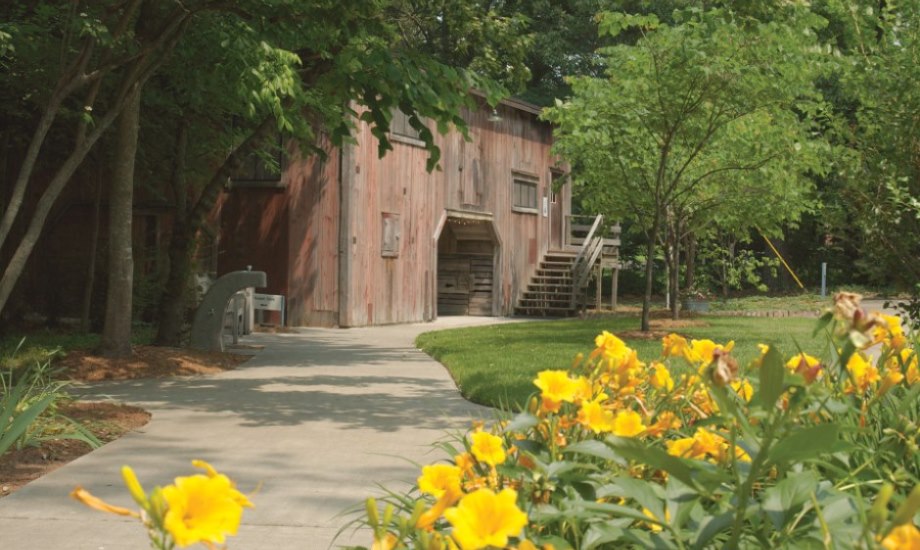
Photo: The barn studio at the Hemingway-Pfeiffer Museum and Educational Center where Ernest Hemingway wrote several short stories and part of A Farewell to Arms.


A Reading by Carolyn Forché

Caption: 

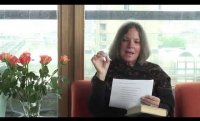
“There is nothing one man will not do to another.” Carolyn Forché reads “The Visitor” and “The Colonel” from her second poetry collection, The Country Between Us (Copper Canyon Press, 1981), which bore witness to her travels in El Salvador in the late 1970s. Forché’s debut memoir, What You Have Heard Is True: A Memoir of Witness and Resistance (Penguin Press, 2019), documents that same period of time and is featured in Page One in the March/April issue of Poets & Writers Magazine.

Convalescence

2.21.19

The period of recovery time after an illness, injury, or medical treatment is known as a convalescence. As flu season abounds and we’re affected by changing temperatures, think back to a time in your life when you were returning to better health, whether after a prolonged cold, a serious illness, surgery, or a period of emotional distress. Write a personal essay about navigating this space between unwell and well. Did the disruption in health leave a permanent mark on your identity? Were there others you needed to rely on in order to recover? Describe the moments you felt weak and what it felt like to be vulnerable.   

Deadline Approaches for Memoir Essay Prize

Creative Nonfiction is currently accepting submissions to its essay contest on the theme “Memoir.” The winner will receive $2,500 and publication in Creative Nonfiction. Two runners-up will receive $500; all entries will be considered for publication in the “Memoir” issue of the magazine, which will be published in 2020.

Using the online submission system, submit a previously unpublished essay of up to 4,000 words with a $20 entry fee by February 25. “Submissions must be vivid and dramatic; they should combine a strong and compelling narrative with an informative or reflective element, and reach beyond a strictly personal experience for some universal or deeper meaning,” write the editors. “We’re looking for well-written prose, rich with detail and a distinctive voice; all essays must tell true stories and be factually accurate.”

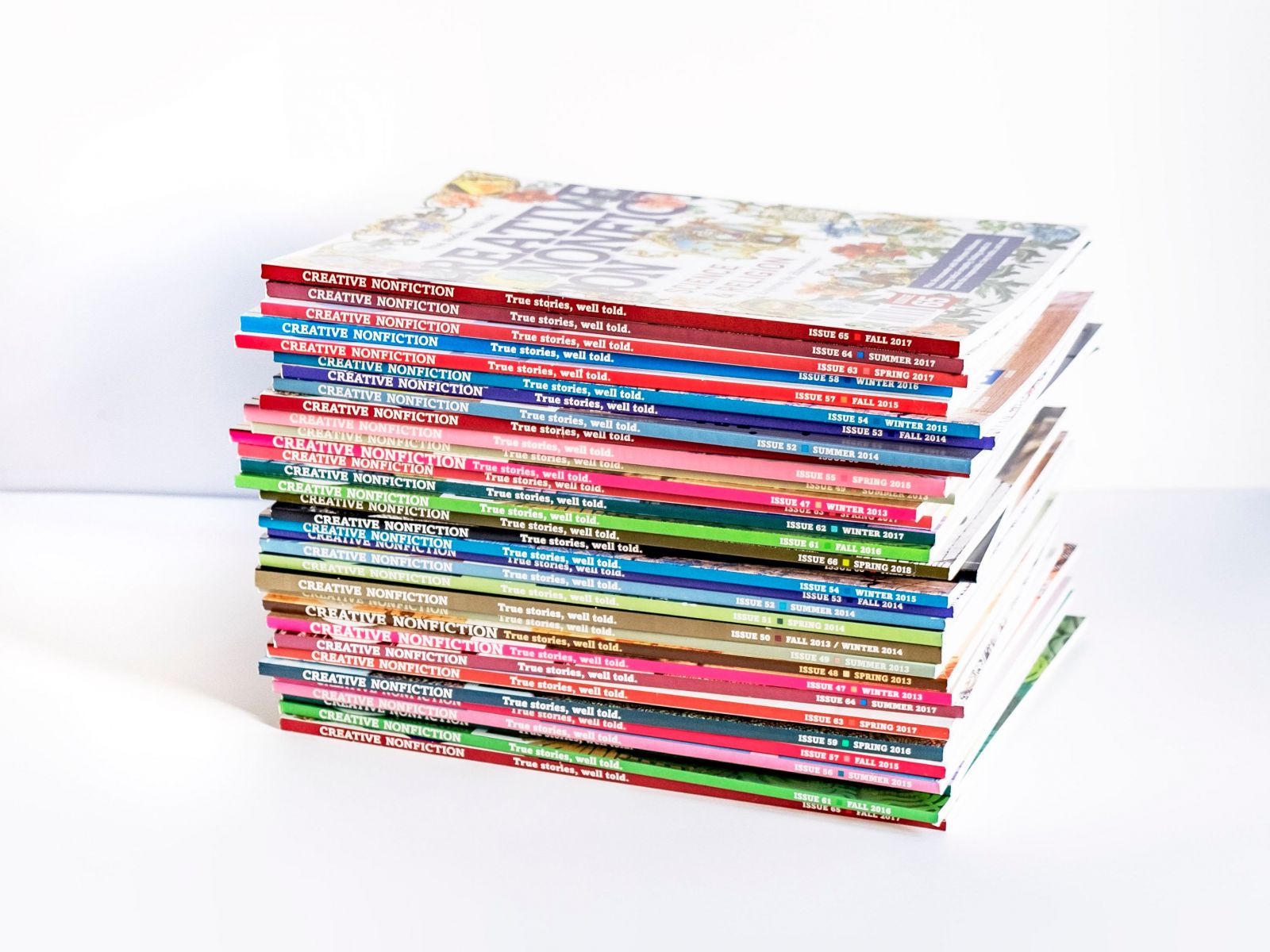
Established in 1993 by Lee Gutkind, Creative Nonfiction was one of the first literary magazines to exclusively publish the genre. Each issue addresses a specific theme, such as “Intoxication,” “Dangerous Creations,” and “Science and Religion.” Edited in Pittsburgh, the quarterly aims to demonstrate “the depth and versatility of narrative nonfiction” and show how “smart, engaging narratives can make any subject fascinating and meaningful.”

End of February Contest Roundup

As we head into the holiday weekend, consider submitting to these writing contests, all of which are open to poets, fiction writers, or nonfiction writers. Each contest offers a prize of at least $1,000 and publication and has a deadline of February 28.

Association of Writers & Writing Programs Award Series: Two prizes of $5,500 each and publication by a participating press are given annually for a poetry collection and a short story collection. In addition, two prizes of $2,500 each and publication by a participating press are given annually for a novel and a book of creative nonfiction. Entry fee: $30

Fish Publishing Flash Fiction Prize: A prize of €1,000 and publication in the Fish Publishing anthology is given annually for a short short story. Entry fee: €14

Glimmer Train Press Fiction Open: A prize of $3,000, publication in Glimmer Train Stories, and 20 copies of the prize issue is given twice yearly for a short story. A second-place prize of $1,000 is also given. Entry fee: $21

Glimmer Train Press Very Short Fiction Award: A prize of $2,000, publication in Glimmer Train Stories, and 20 copies of the prize issue is given twice yearly for a short short story. Entry fee: $16

National Poetry Series Open Competition: Five prizes of $10,000 each and publication by participating trade, university, or small press publishers are given annually for poetry collections. Publishers include Beacon Press, Ecco, Milkweed Editions, Penguin Books, and University of Georgia Press. Entry fee: $35

Red Hen Press Women’s Prose Prize: A prize of $1,000 and publication by Red Hen Press is given annually for a book of fiction or nonfiction by a woman. Entry fee: $25

Tupelo Press Snowbound Chapbook Award: A prize of $1,000 and publication by Tupelo Press is given annually for a poetry chapbook. Entry fee: $25

Visit the contest websites for complete guidelines, and check out the Grants & Awards database and Submission Calendar for more contests in poetry, fiction, and creative nonfiction.


Pages

Subscribe to Creative Nonfiction